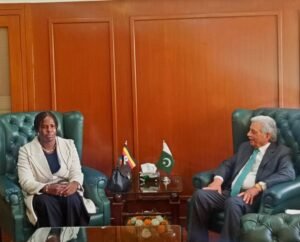
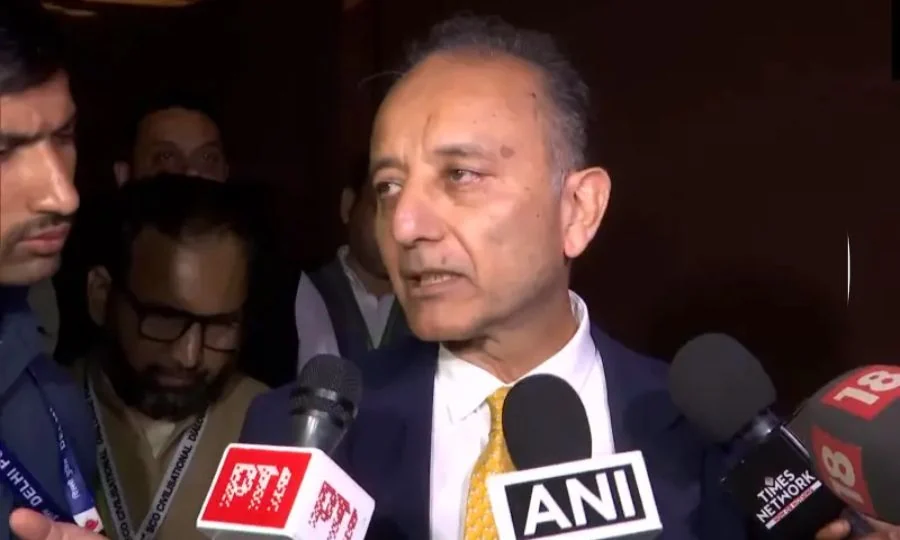
New Delhi (GNP): Pakistan’s Federal Minister for Climate Change Musadik Malik said any dialogue between Pakistan and India on terrorism must rest on evidence. He added that Islamabad is ready to present its case through both bilateral and multilateral forums.
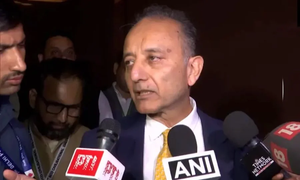
Malik made the remarks in New Delhi on Sunday while responding to questions from Indian journalists. He is on a three-day visit to attend the Shanghai Cooperation Organization (SCO) Civilizational Dialogue Forum. It is the first trip to India by a Pakistani minister since former foreign minister Bilawal Bhutto-Zardari attended an SCO meeting there in May 2023.
The minister said discussions would be based on evidence and would certainly take place. He said Pakistan was prepared for meaningful dialogue if New Delhi sought a lasting solution to outstanding issues. He stressed that terrorism-related allegations should be settled through credible evidence rather than political rhetoric.
At the same time, Malik urged India to formally invite Pakistan for bilateral talks. He explained that he had traveled to New Delhi at India’s invitation for a specific multilateral forum. He said he would answer questions on bilateral matters once invited to such discussions.
The same position applied to the Indus Waters Treaty (IWT). Asked about it, Malik said he would take up the matter when invited to do so. Pakistan has repeatedly offered to engage India in dialogue on outstanding disputes, including water sharing under the treaty.
Malik instead pointed to climate change as a threat shared by both countries. He said rising temperatures, glacier melt and glacial lake outburst floods (GLOFs) know no borders and endanger people on both sides of the region. In his address to the forum on Saturday, he described climate change as an enemy of civilizations and highlighted its devastating consequences for South Asian countries.
His remarks come as tensions remain high following a four-day military confrontation in May 2025, triggered by an attack on tourists in Pahalgam, Kashmir. New Delhi blamed Pakistan for the incident, a charge Islamabad strongly rejected while calling for a neutral investigation.
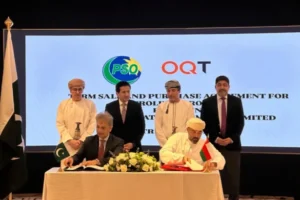
Also Read: Pakistan-Oman Oil Supply Deal and $200 Million Credit Line
India subsequently announced that it was holding the IWT in abeyance. Pakistan warned that any attempt to stop or divert its water share would be considered an act of war. On August 31, the Permanent Court of Arbitration (PCA) ruled that the treaty remained in force and that India had no justification for unilaterally terminating or suspending it.
Brokered by the World Bank in 1960, the treaty allocates the three western rivers, the Indus, Jhelum and Chenab, primarily to Pakistan. The eastern rivers, the Ravi, Beas and Sutlej, go to India. The agreement has remained a cornerstone of water-sharing cooperation between the two nuclear-armed neighbors despite decades of political tensions and military confrontations.
Reiterating Pakistan’s stance on the issue of terrorism, Malik said, “You may bring evidence; we also have evidence that we want to present.”

Managing Editor at Global News Pakistan (GNP), with a Bachelor's degree in International Relations from Riphah International University, graduated with a Gold Medal. Reach out at sabahtareengnp@gmail.com