Islamabad (GNP): Oil markets extended a sharp rally on Monday as escalating attacks on commercial shipping, a fresh Saudi pipeline shutdown, and a steep drop in Strait of Hormuz traffic combined to deepen fears over global energy supplies. The developments mark the latest escalation in a crisis that has pushed crude prices to their highest levels since March.
The crisis has also disrupted one of the world’s most critical maritime trade routes, compounding pressure on an already tense energy market.
Oil Prices Surge on Supply Fears
Brent crude futures rose $2.90, or 2.77 percent, to $107.51 a barrel on Monday. US West Texas Intermediate gained $2.27, or 2.27 percent, to $102.32. Both benchmarks initially climbed more than 3 percent during the session.
The gains follow an 8 percent rise the previous week that pushed Brent above $100 a barrel for the first time since July. Mounting concerns over supply disruptions across the Gulf region continue to drive the rally.
Analysts are now watching the $119.48 Brent level reached in early March as a key reference point. IG market analyst Tony Sycamore said, “Prices could extend gains towards that level if the Saudi pipeline is not restored quickly and talks fail to produce an operational arrangement.”
Saudi Pipeline Shutdown Deepens Disruption
Adding to the pressure on supply, Saudi Arabia shut down its East-West oil pipeline in the Riyadh and Madinah regions as a precaution. The Saudi Press Agency reported the closure came after the route was struck by multiple attacks, citing an official source at the Ministry of Energy.
The pipeline normally allows the kingdom to transport millions of barrels of crude a day without relying on the Strait of Hormuz. It has served as Saudi Arabia’s primary alternative export route whenever shipping through the strait faces disruption.
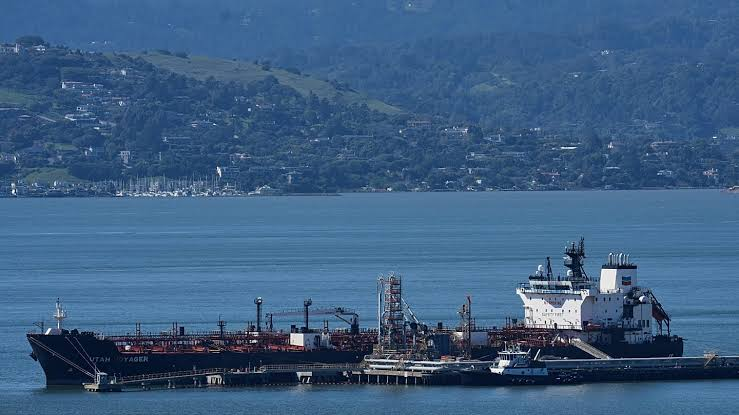
Its closure leaves the kingdom more dependent on maritime routes at a time when tanker traffic already faces heightened security risks. A ship in the Strait of Hormuz was struck by a projectile over the weekend, catching fire and forcing its crew to evacuate, according to the British maritime security agency UKMTO.
A separate strike off Iran’s coast killed one person and wounded four crew members aboard an Iranian commercial vessel.
Hormuz Shipping Falls to Single Digits
The impact of these disruptions is now visible in shipping data. Preliminary ship-tracking figures show that only 14 commodity ships crossed the Strait of Hormuz over the weekend, four exiting the Gulf and 10 entering, keeping daily transits well below the 10-day average.
The tracking data does not include vessels that may have crossed the strait with their Automatic Identification System transponders switched off to avoid detection. Actual transit numbers could therefore be higher.
The disruption extends beyond Hormuz as well. Yemen’s Houthis have reached the strategic island of Perim near the Bab el-Mandeb Strait, a corridor that has carried an estimated 4 to 5 percent of global oil supplies in recent months.
Also Read: Putin Calls on Youth at ‘International Festival of Youth’ to Build a Just World Together
The US Central Command said American forces had redirected 101 commercial ships as of September 13 as part of efforts to enforce a blockade against Iran, underscoring the scale of the disruption to regional maritime traffic.
Diplomatic Efforts Stall as Market Pressure Builds
Diplomatic efforts to ease the crisis have so far produced no breakthrough. Oman’s foreign minister confirmed that a scheduled meeting between Gulf countries and Iran to discuss the Strait of Hormuz situation had been postponed.
US President Donald Trump has maintained that oil prices will fall sharply once the Iran war ends. His comments reflect expectations that the current geopolitical premium in crude prices could unwind if shipping and production are restored.
Even so, a full return to pre-war shipping levels is expected to take time. For now, the market remains under pressure, with Brent above $107 a barrel, WTI above $102, Saudi Arabia’s alternative export route disrupted, and shipping through the region still exposed to attack.

Managing Editor at Global News Pakistan (GNP), with a Bachelor's degree in International Relations from Riphah International University, graduated with a Gold Medal. Reach out at sabahtareengnp@gmail.com