Beijing (GNP): France captain Kylian Mbappe, Real Madrid and La Liga have all apologised over the striker’s comments about Mao Zedong, but experts say the damage to their standing in China will not be repaired quickly.
The row began this week when a video emerged of the 27-year-old appearing to make fun of the former leader. He spoke of being amused by an internet meme that put his face on a figure he described as a Chinese dictator. Mao is still officially revered as the hero of the communist revolution and founder of the People’s Republic of China, and mocking him in public is taboo, even though historians blame him for millions of deaths.
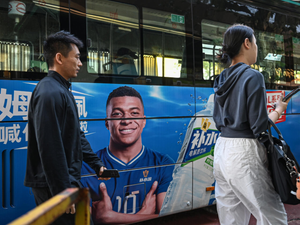
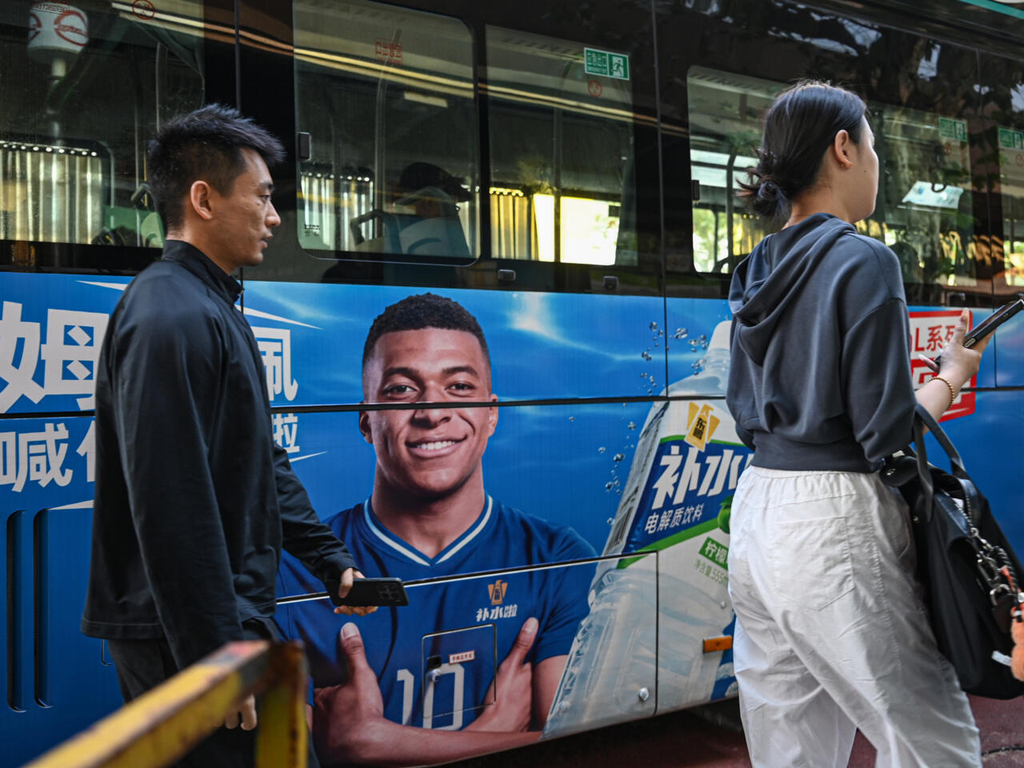
The reaction was swift. Major Chinese brands have cut ties with Mbappe, and Spanish top-flight matches will be pulled from state broadcaster CCTV. State media and social media users joined in the criticism, although many were left unaware of exactly what he had said.
Within two days, the player, his club and the league had all issued apologies. A spokesman for China’s foreign ministry said Beijing took Mbappe’s apology “seriously”. Sports commentator Yan Qiang, however, warned that an apology does not close the matter.
The commentator called the episode very damaging to the image of La Liga and Real Madrid in China. He said apologising is better than staying silent, but that social media moves fast and emotions run high.
China has dealt with similar rows before. In 2019, it effectively cut ties with the NBA after then Houston Rockets general manager Daryl Morey tweeted support for Hong Kong protesters. The league’s games were wiped from CCTV for more than a year, and its pre-season matches only returned to China last year. NBA commissioner Adam Silver has said the split cost the league “hundreds of millions of dollars”.
The two cases differ in one respect. NBA executives said Morey had the right to freedom of expression, while La Liga distanced itself from Mbappe’s remarks immediately. Australian National University lecturer Debby Chan sees both as examples of consumer nationalism, where online sentiment and state media combine into “a spiral of outrage”.
For Spanish football, the stakes are high. A source within La Liga said China and the United States alone finance the majority of international broadcasting rights, valued at 748 million euros ($834 million) for the 2024-25 season.
Also Read: PFF, Iran Sign MoU to Boost Youth Football and Futsal Cooperation
Real Madrid has its own exposure. According to a newspaper affiliated with the club, between 10 and 15 per cent of its jersey and merchandise sales come from China. Hisense, Kaiyun Sports and Linglong Tire are among its main sponsors there.
Adam Zhang, founder of Beijing-based Key-Solution Sports Consulting, said fast and heartfelt remorse is the first step. In his view, it will influence whether the broadcast ban continues and for how long.
Yan Qiang said it is genuinely hard to predict what comes next, and that he is not optimistic in the short term. He added that future actions and behaviour will be key if they want to repair the relationship.
Yan Qiang said, “An apology does not necessarily mean the end of the story.”

Managing Editor at Global News Pakistan (GNP), with a Bachelor's degree in International Relations from Riphah International University, graduated with a Gold Medal. Reach out at sabahtareengnp@gmail.com