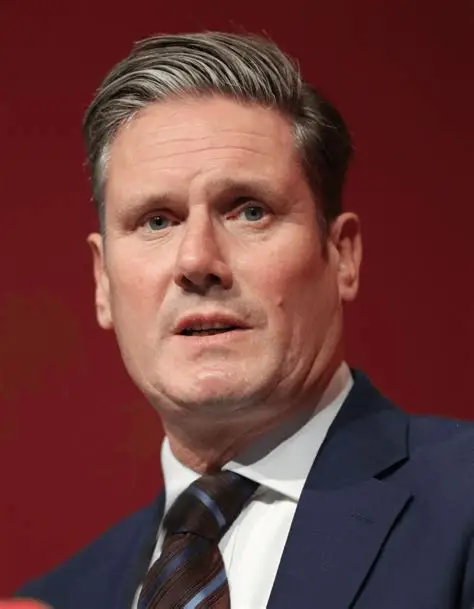
London (GNP): Keir Starmer Resignation 2026 has sent shockwaves through British politics, as the United Kingdom Prime Minister and Labour Party leader Sir Keir Starmer announced on Monday morning that he will resign from both positions.
Speaking in a statement that was quickly shared across global media, Starmer confirmed that a new leader of the Labour Party will be in place before Parliament returns in September, and that he will remain in post until the leadership contest is complete. The announcement generated over 1.7 million views on social media within hours, reflecting the enormous significance of this development for the United Kingdom and its political future.
The Keir Starmer Resignation 2026 announcement came as a significant surprise to many, given that Starmer had only led the Labour Party to a historic general election victory in 2024, ending 14 years of Conservative Party rule in the United Kingdom.
His government came to power with a large parliamentary majority and ambitious plans for economic reform, public services renewal, and a reset of the United Kingdom’s relationship with the European Union. However, his time in office has been marked by mounting political pressures, internal party tensions, and a series of difficult policy challenges that have tested his leadership throughout his tenure as Prime Minister.
Keir Starmer Resignation 2026 Triggers Labour Leadership Race
Keir Starmer Resignation 2026 has immediately triggered a Labour Party leadership contest that is expected to be one of the most consequential in the party’s recent history. Starmer confirmed that he will remain as Prime Minister and Labour leader until the contest concludes, ensuring continuity of government during the transition period.
He stated clearly that a new leader will be in place before Parliament returns from its summer recess in September, setting a tight but workable timeline for the party to choose his successor.
Several senior Labour figures are expected to declare their candidacies in the coming days as the race to succeed Starmer begins in earnest.
The new leader will face the enormous challenge of uniting a party that has experienced internal divisions during Starmer’s tenure, while also managing the responsibilities of leading the UK government and addressing the many pressing domestic and international challenges that continue to face the country.
The announcement has already prompted significant reaction from across the British political spectrum, with opposition parties commenting on the implications for the country and Labour’s own MPs and members beginning to discuss potential candidates to lead the party forward.
The speed of the leadership process will be critical, as the United Kingdom needs stable government leadership during a period of significant global uncertainty.
Also Read: US Waives Iran Sanctions; Pezeshkian Warns Against Straying from Agreed Text
Keir Starmer Resignation 2026 Leaves Complex Political Legacy
Keir Starmer Resignation 2026 leaves behind a complex and contested political legacy. His decision to become Labour leader in 2020, following the party’s devastating general election defeat under Jeremy Corbyn, was widely credited with bringing Labour back to electability by repositioning the party toward the political centre and restoring its credibility with the British public on key issues such as economic management and national security.
His 2024 general election victory was a landmark moment in British political history, delivering Labour its largest parliamentary majority in decades and ending the longest period of Conservative government in modern times.
However, translating that electoral triumph into effective governance proved considerably more difficult, and Starmer faced persistent criticism from within his own party over his handling of key policy areas and his management of internal party affairs.
As the Keir Starmer Resignation 2026 process now unfolds, the Labour Party faces a defining moment in its history. The choice of his successor will shape the party’s direction for years to come and will have profound implications for the political future of the United Kingdom at home and its role on the international stage.