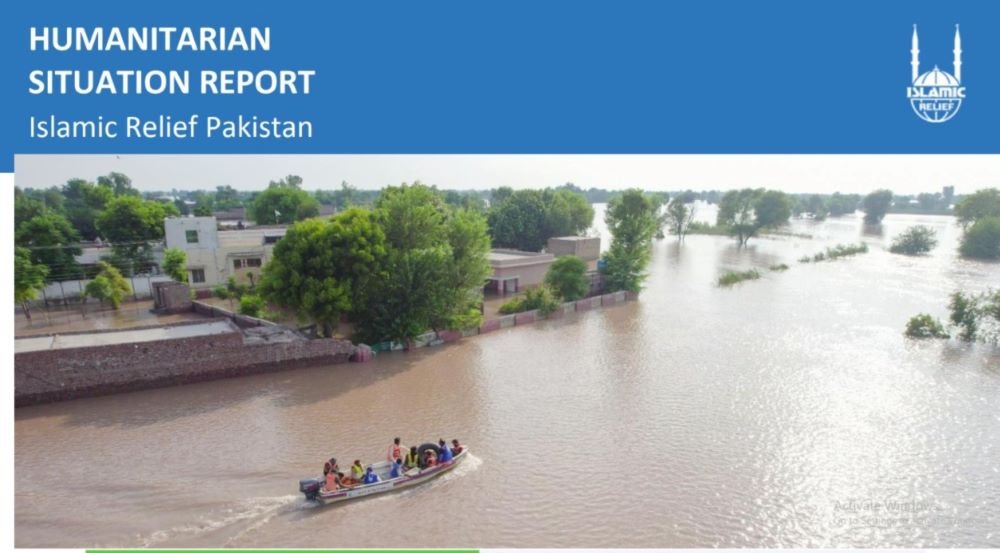
Islamabad (GNP): Islamic Relief Pakistan (IRP) has released its humanitarian situation report on the 2026 monsoon, covering developments from June 26 through August 19, 2026.
Pakistan continues to grapple with overlapping economic and climate-driven pressures. The country ranks 18th out of 191 nations on the INFORM Risk Index, a reflection of its heavy exposure to natural hazards, structural vulnerabilities, and constrained capacity to respond to and recover from disasters. Over the past ten years, disaster-related losses have topped $18 billion, straining the economy and setting back development goals.
The 2026 monsoon began on June 26 and is expected to run through mid-September. The National Disaster Management Authority (NDMA) forecasts rainfall this season will run 22–26% above last year’s levels, with the threat compounded by faster melting across Pakistan’s more than 7,000 glaciers.
NDMA’s latest figures put the death toll at 161 — notably lower than at comparable points during the severe 2022 and 2025 monsoon seasons. However, conditions have deteriorated sharply over the past 12 days. In response, NDMA and provincial disaster authorities have escalated their warnings from advisories to active flood alerts, and evacuations are already underway in low-lying and riverine communities considered most at risk.
Given the deteriorating trend, current casualty and damage figures should be treated as preliminary — a snapshot of an escalating situation rather than a final accounting.
- Khyber Pakhtunkhwa: Continued rainfall, flash flooding, and landslide risk; the province has recorded the highest casualty count so far.
- Punjab: Urban flooding has hit Lahore and Rawalpindi particularly hard, with river levels requiring ongoing monitoring.
- Balochistan: Localized heavy rain continues to raise flash-flood risk, especially in hill-torrent areas.
- Sindh: Windstorm and thunderstorm risk persists; IRP teams remain on standby across key districts.
- AJK and Gilgit-Baltistan: Intermittent rain and unstable terrain continue to pose landslide, mudslide, and flash-runoff risks.
Following NDMA’s advisory, humanitarian organizations have been asked to activate emergency response systems, carry out rapid needs assessments, and coordinate closely with authorities to deliver timely, targeted aid.
IRP is maintaining emergency response readiness across Punjab, Sindh, Khyber Pakhtunkhwa, Balochistan, and Azad Jammu and Kashmir. In Punjab, the organization has already begun emergency operations, delivering hot meals and clean drinking water to 400 flood-affected families in Sheikhupura district. Response teams remain on standby in vulnerable parts of South Punjab to assess needs and scale up assistance as conditions require.
IRP says it is working closely with district administrations and relevant government departments to share information, strengthen coordination, and identify where humanitarian assistance is most needed. Relief interventions going forward will be shaped by ongoing assessments and consultation with local authorities, with the aim of reaching the most affected and vulnerable communities efficiently.
South Punjab remains a particular concern given the continuing rains and flood risk there, and IRP has kept response teams on standby in the region to move quickly as needs emerge.
Also read: 84-Year-Old Woman Found Alive 3 Days After Indonesia Earthquake
Drawing on its established field presence and emergency response experience, IRP says it remains on high alert and ready to scale up quickly, while continuing to coordinate closely with government bodies and other stakeholders to keep the response timely and effective.

Sohail Majeed is a Special Correspondent at The Diplomatic Insight. He has twelve plus years of experience in journalism & reporting. He covers International Affairs, Diplomacy, UN, Sports, Climate Change, Economy, Technology, and Health.