
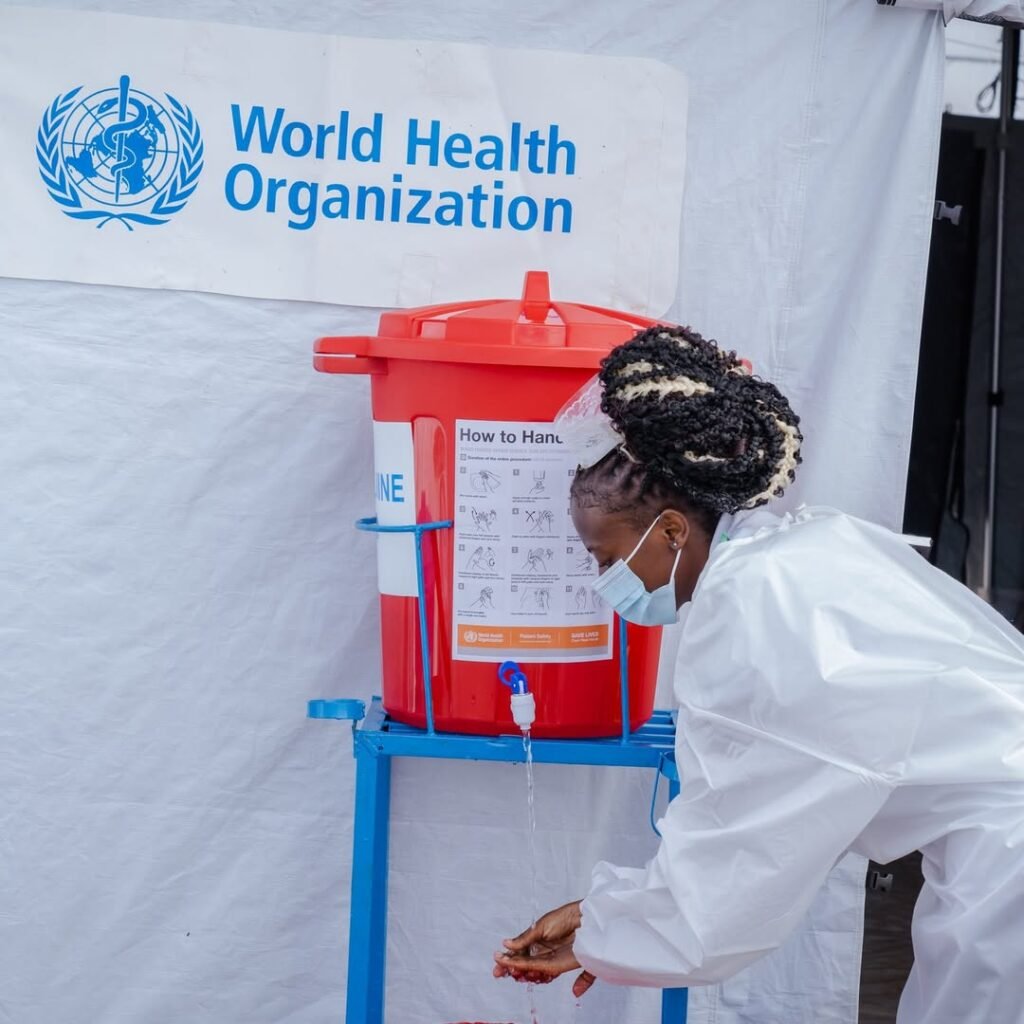
Geneva, (GNP): The World Health Organization (WHO) has once again emphasized the importance of regular handwashing during Ebola outbreaks, describing it as one of the most effective and accessible methods to reduce the rapid spread of the deadly virus.
Through a recent awareness campaign, the organization reminded communities, healthcare professionals, and governments that proper hand hygiene remains a major defensive measure against infectious diseases such as Ebola.
According to the WHO, handwashing significantly decreases the risk of infection by removing viruses that may remain on the hands after contact with individuals, medical equipment, or infected surfaces. The message comes as global health authorities continue strengthening preparedness and response systems for potential Ebola outbreaks in vulnerable regions.
The awareness statement, shared through WHO’s official communication channels, reinforces a long-standing public health principle that simple hygiene practices can save lives and lower the further spread of viruses. During Ebola outbreaks, the virus can circulate rapidly through direct contact with bodily fluids of infected persons or contaminated materials.
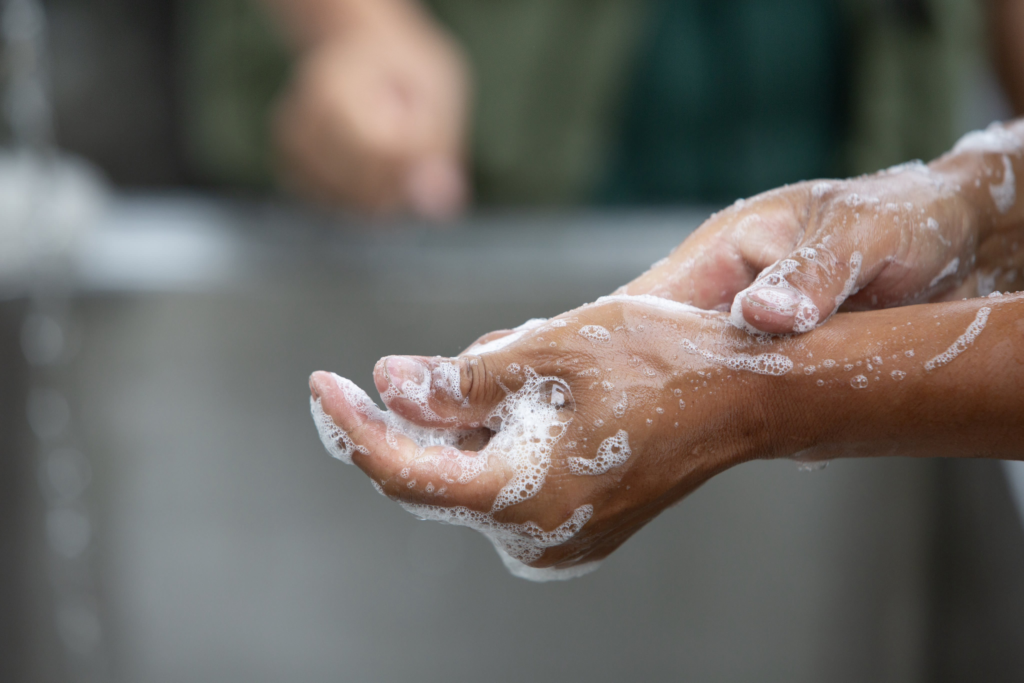
Regular handwashing with soap and clean water or the use of alcohol-based sanitizers helps interrupt transmission chains and protects both individuals and communities.
The WHO’s campaign also focuses on protecting frontline healthcare workers who are often exposed to high-risk environments during outbreaks. Medical professionals treating Ebola patients face constant exposure to infectious materials, making strict hygiene protocols essential.
Hand hygiene, combined with protective equipment and infection prevention procedures, plays a dominant role in reducing occupational exposure within hospitals and treatment centers.
The organization highlighted that handwashing is not just a personal health practice but a collective responsibility during health emergencies. Communities affected by Ebola outbreaks are encouraged to establish regular hygiene routines at homes, schools, workplaces, transport hubs, and public facilities.
Public awareness campaigns are considered essential for educating people about how infections spread and how preventive measures can limit community transmission.
Also read: WHO Regards Global Public Health Champions
Ebola Virus Disease is a severe and often fatal illness that has caused multiple outbreaks in parts of Africa over the past several decades. The disease is known for its high fatality rate if not detected and treated early.
Symptoms can include fever, fatigue, vomiting, bleeding complications, and severe weakness. Since the virus spreads through direct contact, prevention measures remain one of the most effective tools for controlling outbreaks.
Public health specialists say lessons learned from recent global health emergencies, including the COVID-19 pandemic, have further demonstrated the importance of hand hygiene in controlling infectious diseases.
International organizations and healthcare institutions now place greater emphasis on sanitation infrastructure, public health education, and emergency preparedness strategies.
The WHO continues to advocate for increased investment in hygiene and sanitation systems, particularly in low-resource regions where outbreaks can place enormous pressure on fragile healthcare systems. Access to clean water, soap, and sanitation facilities remains uneven across many parts of the world, especially the African regions, making disease prevention more demanding and vulnerable.
It is stressed that misinformation during outbreaks can increase risks and weaken public trust. Accurate health communication and community engagement are therefore essential components of outbreak response. By sharing scientifically verified guidance, organizations such as WHO aim to help communities adopt practical preventive measures and reduce panic during health emergencies.
As international health agencies monitor infectious disease risks worldwide, public cooperation remains vital. Individuals are encouraged to follow official health guidance, maintain personal hygiene, avoid contact with infected individuals, and report suspected symptoms promptly to healthcare authorities.
The WHO continues to provide educational resources, outbreak updates, and preventive guidance through its official digital platforms. Health experts believe that sustained awareness and community participation are essential for minimizing the impact of future Ebola outbreaks and other emerging infectious diseases.