
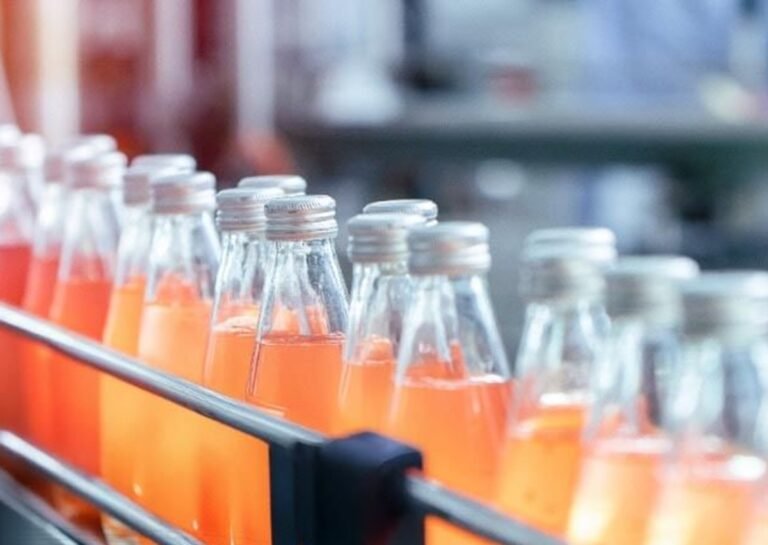
Islamabad (GNP): A coalition of civil society organizations and public health professionals working under the TRANSFORM Pakistan Campaign, which aims to safeguard public health in Pakistan, has called upon the federal government to increase Federal Excise Duty to 40% on all sweetened beverages, including juices and fruit juices, with no exception, in the upcoming budget 2026-27.
The coalition warned that Pakistan is facing an unprecedented rise in non-communicable diseases (NCDs), driven in large part by unhealthy diets and increasing consumption of sweetened drinks. Pakistan currently has one of the highest diabetes burdens in the world, with an estimated 35 million adults living with the disease, placing enormous pressure on families, communities, and the healthcare system.
If no immediate policy action is taken, the number is set to increase to 70 million by 2050. The annual cost of diabetes management is already reaching over USD 2.6 billion, nearly double the annual instalment of the IMF program.
Munawar Hussain, Health & Nutrition Policy Expert, stated that scientific evidence around the world and from Pakistan shows that taxing all sweetened beverages is an evidence-backed policy measure for reducing their consumption and preventing obesity, diabetes, heart disease, and other NCDs.
Dr. Saba Amjad, CEO, Heartfile, emphasized that all sweetened drinks, including juices, regardless of their source of sugar, contribute to increasing the risk of serious health conditions like diabetes, stroke, and heart disease. She noted that public health policies must be guided by science and global best practices.
Afshar Iqbal, Director of Communications & Advocacy at Pakistan Youth Change Advocates (PYCA), cautioned against misleading narratives by certain elements of the food and beverage industry claiming that packaged fruit juices are healthy simply because they contain no “added sugar.” He noted that such claims contradict scientific evidence and the guidance of the World Health Organization (WHO), which recognises fruit juices as free sugars and recommends limiting their consumption through taxing and various other policy measures.
Mukhtar Ahmed Ali, Executive Director, Centre for Peace & Development Initiatives (CPDI), stressed that the upcoming federal budget presents a critical opportunity to prioritize public health and reduce the growing economic burden of diet-related diseases. The revenue generated through taxing sweetened beverages and juices should be invested in health promotion and disease prevention.
Sanaullah Ghumman, Secretary General, Pakistan National Heart Association (PANAH), highlighted that the government must reject any misleading effort from certain elements of the juice industry to seek tax relief on juices or any other type of sweetened beverages at the cost of public health.
Also Read: World Oceans Day Inspires Action for the Marine Environment
Considering the scientific body of evidence and in the best interest of public health and economy, the government must increase the Federal Excise Duty to 40 percent on all sweetened beverages, including juices, in the Finance Bill 2026-27.
The coalition urged the Prime Minister, Finance Minister, Cabinet members, and other policymakers to align taxation policies with WHO recommendations and global best practices to ensure that all sweetened beverages, juices, including fruit juices, must be taxed, aiming to cut down their consumption.
The revenue generated through these taxes should be invested in the improvement of public health. Such measures, they said, are essential to protecting public health and preventing the continued rise of diabetes and other non-communicable diseases in Pakistan.

Sohail Majeed is a Special Correspondent at The Diplomatic Insight. He has twelve plus years of experience in journalism & reporting. He covers International Affairs, Diplomacy, UN, Sports, Climate Change, Economy, Technology, and Health.