Islamabad (GNP): Marking Childhood Cancer Awareness Month, the World Health Organization (WHO) reaffirmed its commitment to working with Pakistan so that every child has a real chance of beating the disease. The organization stressed that childhood cancer is curable and that early diagnosis and treatment are critical for the more than 8,000 children diagnosed in Pakistan every year.
WHO noted that most childhood cancers can be treated successfully using generic medicines along with surgery and radiotherapy. Globally, roughly 400,000 children develop cancer annually. In high-income countries with comprehensive services, over 80% of affected children are cured, while in most low- and middle-income countries fewer than 30% survive. Put differently, seven in ten children with cancer in these settings do not survive, often because quality treatment and medicines are out of reach.
To widen access to life-saving care, WHO is working with Pakistan’s Ministry of National Health Services, Regulations and Coordination, under an agreement that will supply quality-assured childhood cancer medicines free of charge through the Global Platform for Access to Childhood Cancer Medicines.
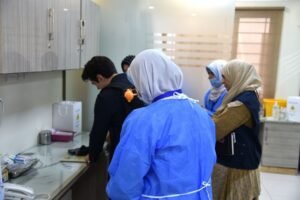
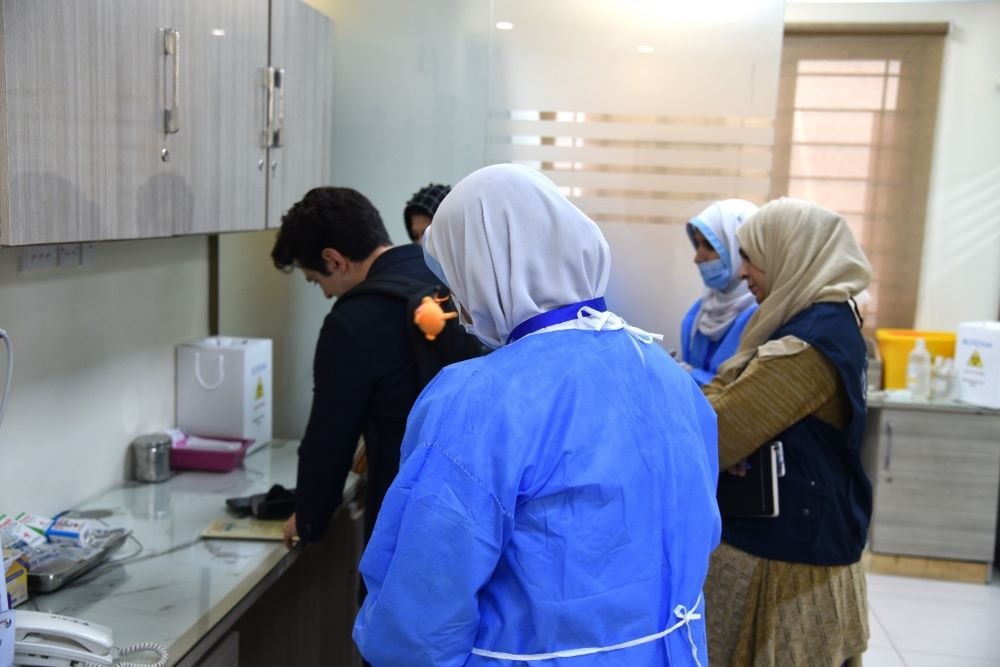
Four Pakistani hospitals are already partnering with WHO to finish the final preparations needed to receive the medicines, with completion expected between the end of this year and the first quarter of 2027. Seven more hospitals are due to put technical recommendations in place through 2027 so they too can receive supplies. The long-term aim is to provide free, quality-assured medicines to every hospital in Pakistan that treats childhood cancer.
Pakistan’s participation in the Global Platform was formalized by WHO and the Ministry of Health on July 29, 2025, making it the second country in the Eastern Mediterranean Region to join. The platform was co-founded in 2021 by St. Jude Children’s Research Hospital and WHO to ensure an uninterrupted supply of certified childhood cancer medicines for low- and middle-income countries. It operates in collaboration with the PAHO Strategic Fund and UNICEF, which will handle procurement and delivery of the medicines to Pakistan.
The agreement offers new hope to affected children regardless of their families’ financial circumstances, and targets raising survival rates from 30% to 60% by 2030. It will also provide the Ministry of Health and provincial authorities with technical guidance, resources, and operational support to strengthen the health system and improve childhood cancer services overall.
Also read: Pakistan Open FIFA ASEAN Cup Campaign with Loss to Thailand
WHO Representative in Pakistan Dr. Luo Dapeng said medical science has made childhood cancer curable, but timely diagnosis and sustained treatment are essential. He stressed that every child with cancer deserves a chance to overcome the disease and pursue their dreams, regardless of background, location, or economic status, adding that WHO is proud of its partnership with Pakistan through the Global Platform and will keep working to give every child the opportunity to recover and live a healthy life.

Sohail Majeed is a Special Correspondent at The Diplomatic Insight. He has twelve plus years of experience in journalism & reporting. He covers International Affairs, Diplomacy, UN, Sports, Climate Change, Economy, Technology, and Health.