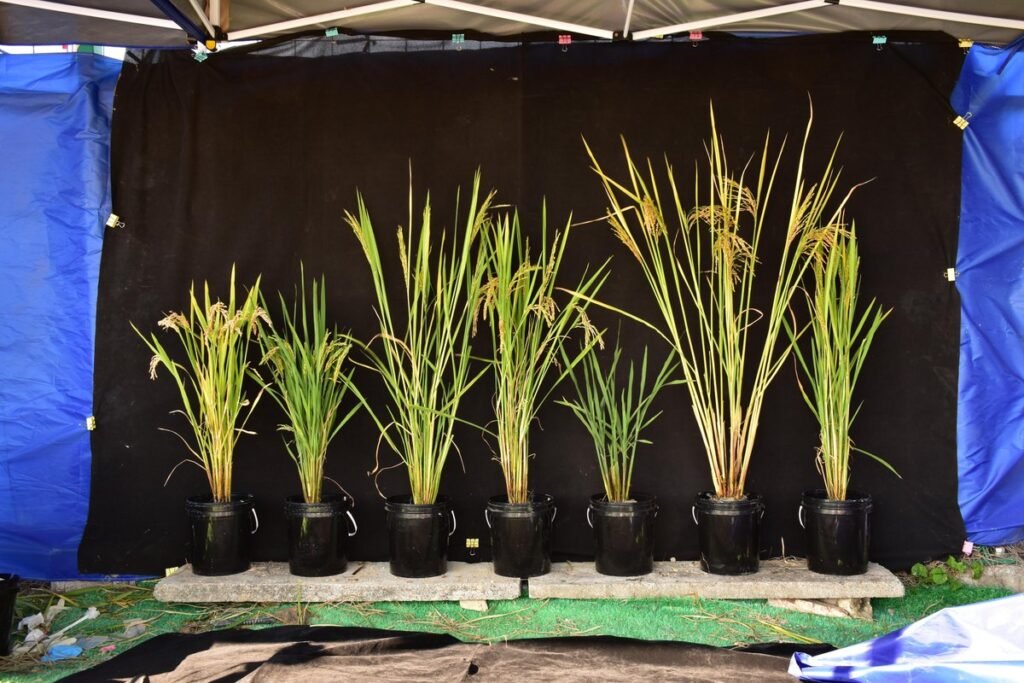
China (GNP): Chinese researchers have announced a major breakthrough in agricultural science by successfully developing apomictic hybrid rice lines that can produce nearly 100% clonal seeds and also maintaining normal seed production.
The achievement is being described as a milestone step toward improving crop productivity and strengthening global food security.
Hybrid rice is widely known for producing higher yields than conventional rice varieties. However, farmers must normally purchase new hybrid seeds every growing season because the desirable characteristics of hybrid plants are not reliably passed on to the next generation.
This has long been one of the biggest challenges in hybrid crop production.The new research offers a potential solution by enabling hybrid rice plants to reproduce through apomixis, a natural process in which seeds are produced without the genetic reshuffling that occurs during normal reproduction.
As a result, the offspring remain genetically identical to the original high performing hybrid plant, preserving its desirable traits generation after generation.
According to the researchers, the newly developed rice lines achieved near 100% clonal seed production while maintaining normal seed setting rates.
This means farmers could potentially replant seeds from their harvest without losing the high yield and quality associated with hybrid rice.
Scientists believe this breakthrough could significantly reduce seed production costs and make advanced hybrid rice technology more accessible, particularly in regions where agriculture plays a vital role in food security and economic development.
It may also improve the efficiency of breeding programs and support the development of more resilient crop varieties capable of adapting to climate change and environmental pressures.
The achievement represents years of scientific research in plant genetics and breeding. Researchers say the innovation provides a scalable pathway for preserving hybrid vigor, also known as heterosis, which is responsible for the higher productivity, stronger growth, and improved resilience of hybrid crops.
Experts note that while further testing and regulatory evaluations will be necessary before the technology is widely adopted, the breakthrough has the potential to reshape modern agriculture.
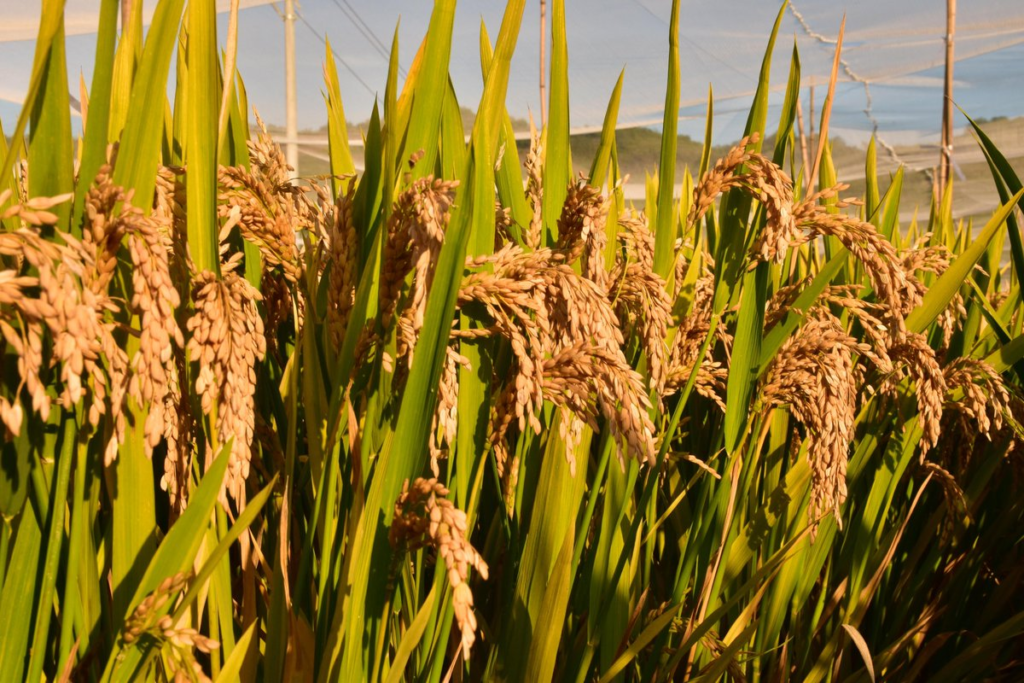
If successfully implemented on a large scale, it could help increase rice production, lower farming costs, and contribute to more sustainable food systems.
Also Read: China Sets New Record With AI Satellite Imaging
Rice remains a staple food for more than half of the world’s population, making advances in rice breeding particularly important for global food security.
As populations continue to grow and climate related challenges place increasing pressure on agricultural production, innovations such as this could play an important role in ensuring stable and sustainable food supplies for the future.
The breakthrough highlights China’s continued investment in agricultural research and innovation, demonstrating how scientific advances can contribute to addressing one of the world’s most pressing challenges feeding a growing global population while promoting sustainable farming practices.