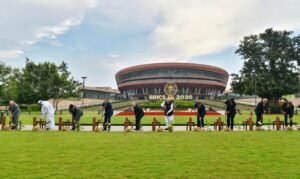
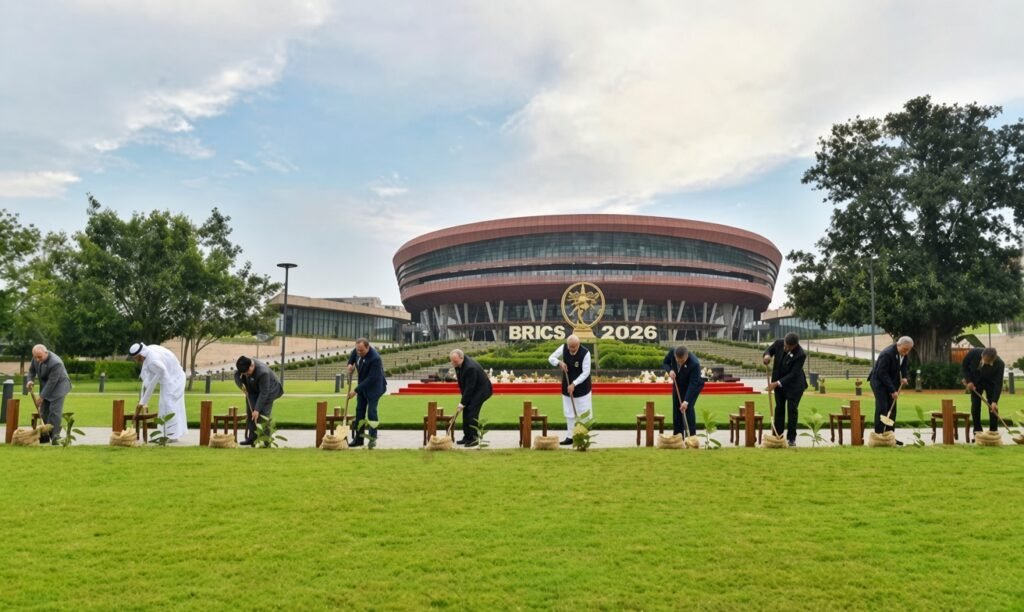
New Delhi (GNP): Traditional, complementary and integrative medicine (TCIM) has received its strongest endorsement yet from the BRICS group of countries. The leaders’ statement, issued at the close of the New Delhi summit on 12 September 2026, dedicated a full paragraph to TCIM for the first time.
The declaration builds on commitments agreed by BRICS health ministers in July 2026, including a proposed BRICS Expert Working Group on TCIM. With this endorsement, BRICS leaders have moved the issue from policy recognition toward concrete operational cooperation among member states.
The working group will sit under the BRICS Health Track, creating a dedicated platform for dialogue, collaboration and exchange. In the declaration, leaders acknowledged the growing relevance of TCIM in strengthening health systems and advancing universal health coverage (UHC).
Leaders also underscored the importance of coordinated research on medicinal plants and herbal preparations with therapeutic and preventive applications. They recognised the shared traditional pharmacopoeias of BRICS countries as a potential foundation for developing safe, effective and affordable therapeutic products.
At the same time, the leaders reaffirmed the need to ensure the quality, safety and efficacy of TCIM practices and products. This would be pursued through evidence-informed approaches and regulatory frameworks tailored to national contexts.
Shri Prataprao Jadhav, India’s Union Minister of State for Ayush and for Health and Family Welfare, welcomed the outcome. He said the recognition of TCIM in the New Delhi Declaration marked an important step toward strengthening global cooperation, and that the proposed working group would give member states a meaningful platform to share knowledge and advance evidence-based approaches.
The summit outcome follows directly from the 16th BRICS Health Ministers’ Meeting held in Chandigarh, India, on 23 and 24 July 2026. That meeting produced the most significant political recognition of traditional medicine in the history of BRICS health cooperation, including its first dedicated section on TCIM and the initial endorsement of the expert working group.
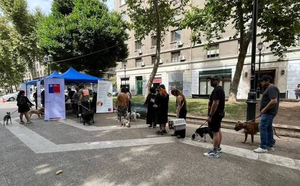
Also Read: Chile Eliminates Dog-Transmitted Rabies, WHO Confirms
The New Delhi endorsement strengthens momentum behind global efforts to advance the safe and evidence-informed use of traditional medicine. It also reinforces engagement with the WHO Global Traditional Medicine Centre, which serves as an international platform for research, capacity building and collaboration in the field.
This alignment extends to the WHO Global Traditional Medicine Strategy 2025-2034, which calls for stronger evidence, appropriate regulation and greater integration of traditional medicine into health systems where relevant. Taken together, the Chandigarh and New Delhi outcomes mark a clear shift for BRICS, from symbolic recognition of traditional medicine toward a structured, evidence-based framework for cooperation among its member states.
Shri Prataprao Jadhav said, “The proposed BRICS Expert Working Group will provide a meaningful platform for Member States.”

Managing Editor at Global News Pakistan (GNP), with a Bachelor's degree in International Relations from Riphah International University, graduated with a Gold Medal. Reach out at sabahtareengnp@gmail.com