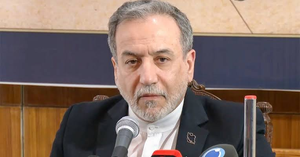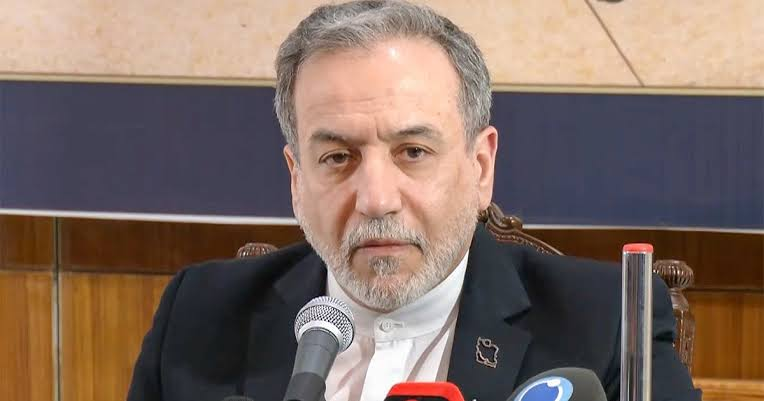
Tehran (GNP): Iran has given mediators from Qatar and Pakistan a two-day blueprint for reopening the Strait of Hormuz, Foreign Minister Abbas Araghchi has said, raising hopes of an end to months of disruption to one of the world’s most vital energy routes.
Araghchi said on Sunday that the sequence is simple. On day one, Washington carries out a set of agreed measures, and on day two the strait reopens and shipping returns to normal. He did not say what the United States (US) measures would be.
The proposal builds on a “seven-day plan” that Tehran first put forward in mid-September, setting out Iran’s conditions for lifting its hold on the waterway. According to Araghchi, Qatari and Pakistani officials worked through many rounds of talks to make that framework more practical and more widely acceptable, and the shorter timeline emerged from those efforts.
The stakes are high because of what passes through the strait. It lies between Iran and Oman and normally carries about a fifth of global oil and a large share of liquefied natural gas (LNG) exports. Iran has effectively controlled passage since the US launched its war against it in late February, while Washington has kept up its own blockade of Iranian ports. An interim ceasefire in June collapsed, and intermittent strikes have since resumed.
Diplomacy has quickened in recent days. Qatari mediators arrived in Tehran on Friday, and on Saturday President Donald Trump said US forces had destroyed much of Iran’s military but still needed to deal with one or two remaining targets. He described the negotiations as going fine, while casting doubt on Iran’s reliability.
Also Read: Trump Holds Off on Iran Strikes as Doha Talks Enter Third Day
Tehran answered with a warning of its own on the same day. Iran’s new supreme leader, Mojtaba Khamenei, told senior commanders that any threat must be met with an immediate response not limited by geography. He also ordered the military to expand its target list to cover a wide range of American and Israeli assets. It was the first reported meeting between Khamenei and top military officers, as he has not appeared in public since taking power in March, after his father, Ayatollah Ali Khamenei, was killed in US-Israeli strikes.
Both Washington and Tehran have hinted at possible escalation after the elections in the US and Israel, which leaves the mediators only a narrow window to secure a deal.
Within that window, there is one early sign of movement. US Vice President JD Vance has sent a letter to Mohsen Rezaei, who heads Iran’s supreme national security council. Rezaei said he had read it but not yet replied, and he insisted that the blockade will stay until Iran’s conditions are met, including the release of frozen assets. Rezaei said, “Their tone has completely changed,” calling that a positive sign.

Managing Editor at Global News Pakistan (GNP), with a Bachelor's degree in International Relations from Riphah International University, graduated with a Gold Medal. Reach out at sabahtareengnp@gmail.com