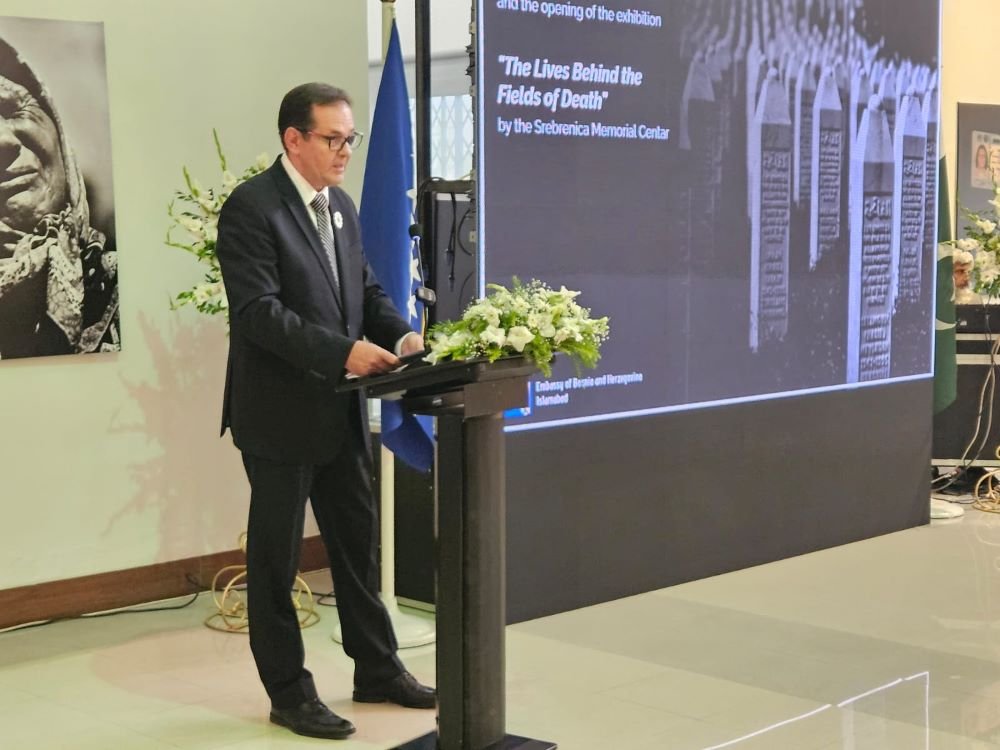
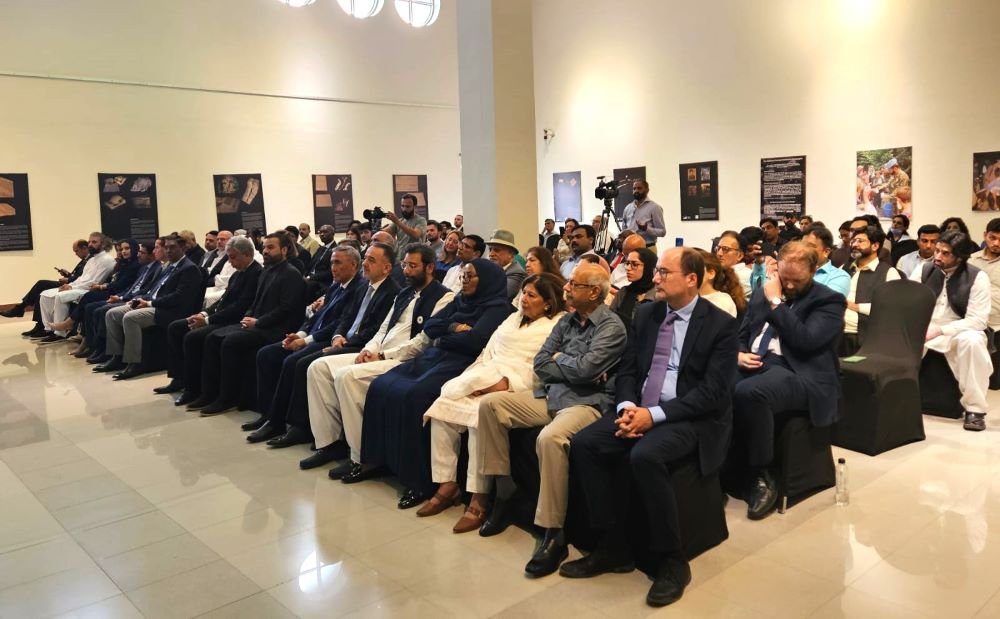
Islamabad (GNP): The Embassy of Bosnia and Herzegovina in Islamabad commemorated the 31st anniversary of the Srebrenica Genocide through a solemn remembrance ceremony, observed in line with the United Nations-designated International Day of Reflection and Commemoration of the 1995 Genocide in Srebrenica.
Minister of State for Law and Justice, Barrister Aqeel Malik, attended the event as the chief guest. The ceremony brought together diplomats, government officials, members of the diplomatic corps, representatives of religious and community organizations, the Bosnian diaspora, and other distinguished guests to honor the memory of the victims and reaffirm their commitment to peace, justice, and reconciliation.
Ambassador of Bosnia and Herzegovina, Emin Cohodarevic, expressed deep appreciation for Pakistan’s continued support to Bosnia and Herzegovina over the years.
He said the 31st anniversary of the Srebrenica Genocide marks one of the darkest chapters in modern history. In July 1995, more than 8,000 Bosniak men and boys were systematically murdered in Srebrenica, a crime that the United Nations and international courts have recognized as genocide. It remains the worst atrocity committed on European soil since the Second World War.
This year, the remains of additional victims, identified through DNA analysis, are being laid to rest at the Srebrenica–Potočari Memorial Centre. Many of these victims were discovered in mass graves scattered across eastern Bosnia and Herzegovina. In an attempt to conceal their crimes, perpetrators moved bodies from primary to secondary and tertiary mass graves, leaving some victims’ remains scattered across several burial sites. Despite these efforts, the truth has continued to emerge. As of 11 July 2026, 6,782 victims have been buried at the memorial cemetery.
Ambassador said, each victim represents a life cut short—a child, a parent, a sibling, a friend—with dreams, hopes, and families left behind. Their memory serves as a reminder of the devastating human cost of hatred and violence.
The Srebrenica Genocide did not begin in July 1995. It was preceded by years of persecution following the outbreak of the Bosnian War in 1992. Bosniaks were subjected to ethnic cleansing, unlawful detention in concentration camps, mass killings, forced displacement, and the destruction of towns and villages solely because of their ethnicity and religion. Thousands of women and girls also endured horrific acts of sexual violence.
Although the international community was aware of the atrocities, decisive action came too late. In April 1993, the United Nations Security Council declared Srebrenica a “safe area”, giving hope to nearly 60,000 civilians who believed they would be protected. That promise ultimately failed, and in July 1995 the enclave fell, leading to the genocide.
Emin Cohodarevic said, the failure to prevent the massacre remains one of the greatest tragedies in the history of the United Nations and a lasting reminder of the consequences of inaction. Srebrenica stands as the gravest crime committed in Europe since the Holocaust, despite the world’s pledge of “Never Again.”
The genocide has been firmly established through extensive evidence and the judgments of international and domestic courts. While genocide denial continues in some quarters, the historical and legal truth of Srebrenica remains undeniable. Remembering the victims and prese
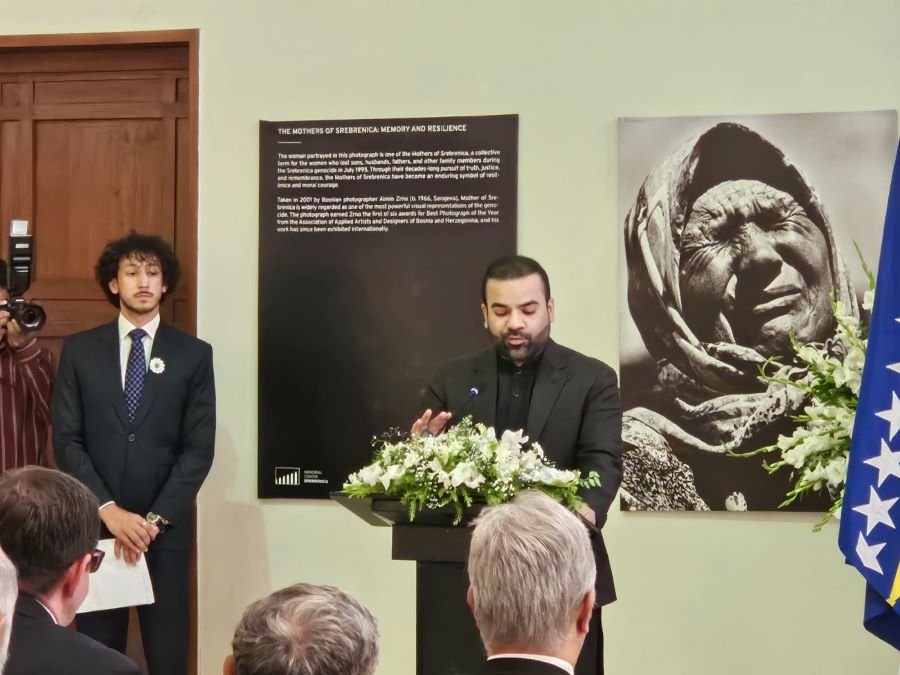
Minister of State for Law and Justice, Barrister Aqeel Malik, conveyed the solidarity, respect, and prayers of the Prime Minister and the people of Pakistan to the people of Bosnia and Herzegovina.
He thanked the Embassy of Bosnia and Herzegovina, particularly Ambassador of Bosnia and his team, for organizing the remembrance ceremony. He said the photographs on display remind us of the lives, faces, and stories of those who suffered during one of history’s darkest tragedies.
The Minister paid tribute to more than 8,000 innocent Bosniak Muslims who were killed in the Srebrenica genocide in July 1995. He expressed sympathy for the victims’ families and noted that the genocide has been recognized by international courts. He also welcomed the UN General Assembly’s designation of 11 July as the International Day of Reflection and Commemoration of the 1995 Srebrenica Genocide.
He reaffirmed Pakistan’s support for the UN resolution and stressed that the international community must remain committed to preventing genocide, protecting vulnerable communities, and combating hatred, discrimination, and religious intolerance.
Barrister Aqeel Malik said the people of Bosnia and Herzegovina hold a special place in Pakistan’s heart. He reiterated Pakistan’s unwavering support for Bosnia and Herzegovina’s sovereignty, territorial integrity, unity, and its multicultural and multiethnic character.
He further reaffirmed Pakistan’s commitment to protect the right of everyone to live in peace, dignity and freedom, as well as to support all international causes that are based on justice, fairness and mutual respect.
Concluding his remarks, Barrister Aqeel Malik emphasized that remembrance must inspire action against hate speech, extremism, and violence. Pakistan stands in solidarity with the people of Bosnia and Herzegovina, honours the victims, supports the survivors, and remains committed to peace, justice, reconciliation, and the shared values of humanity.
Also read: UN Chief Candidate Calls on PM Shehbaz Sharif
The commemoration was hosted by Ambassador of Bosnia and Herzegovina to Pakistan, Emin Cohodarević, who welcomed political leaders, members of the diplomatic corps, representatives of religious and community organizations, members of the Bosnian diaspora, and guests from across the region.
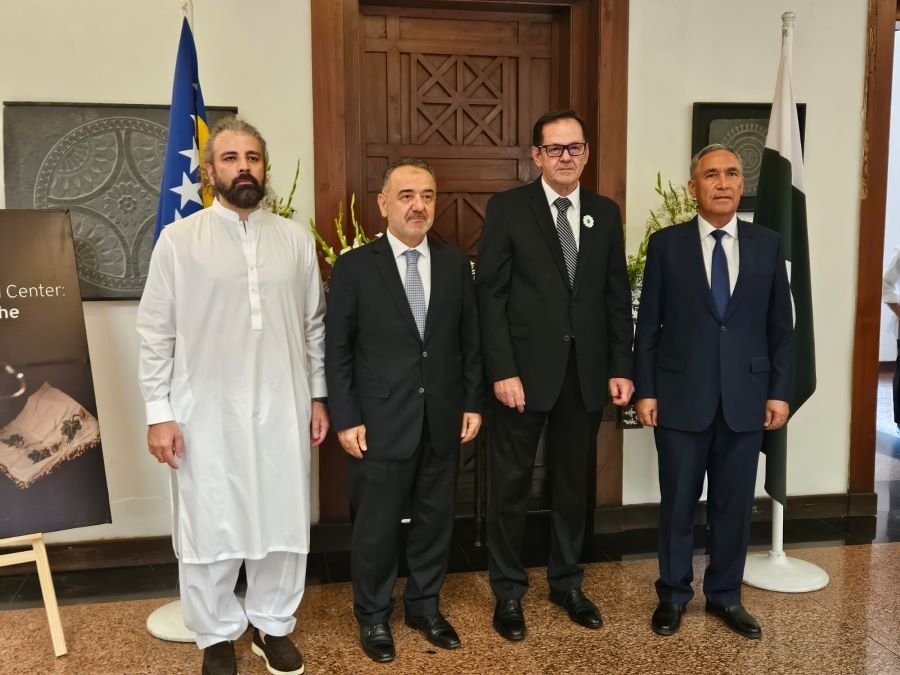
The ceremony featured an afternoon of remembrance, testimonies, a documentary screening, and moments of reflection to honor the victims of the Srebrenica genocide and reaffirm the shared commitment to peace, justice, and reconciliation.

Sohail Majeed is a Special Correspondent at The Diplomatic Insight. He has twelve plus years of experience in journalism & reporting. He covers International Affairs, Diplomacy, UN, Sports, Climate Change, Economy, Technology, and Health.