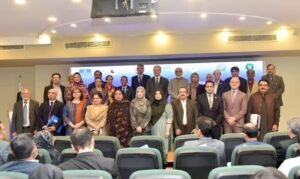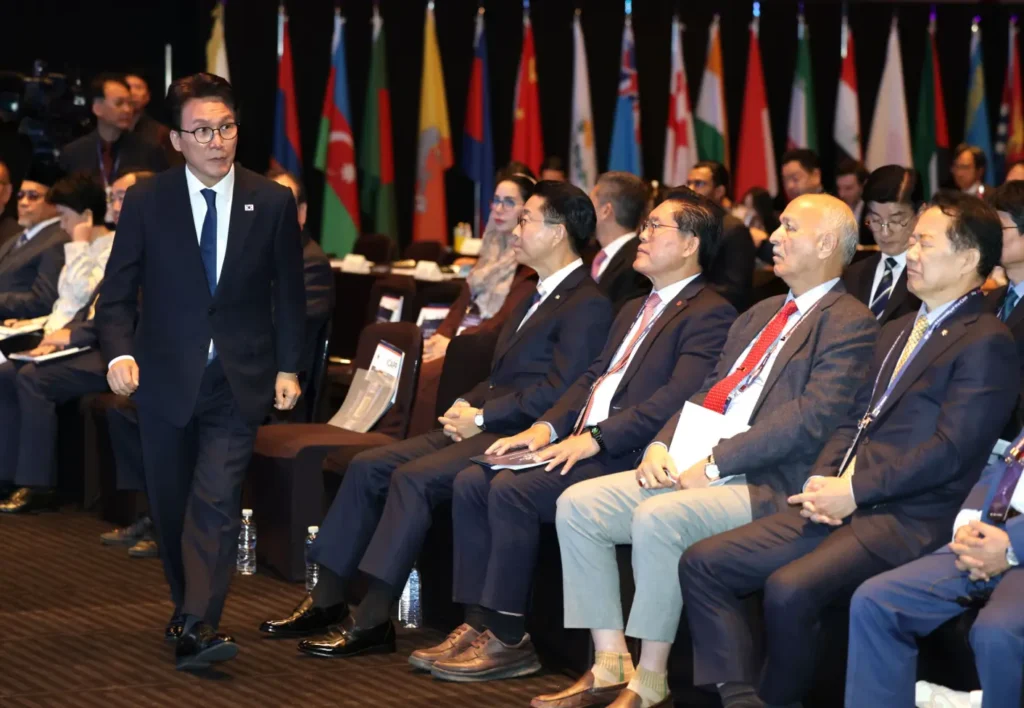
Seoul (GNP): Representatives of political parties across Asia have adopted the “Seoul Declaration” pledging to strengthen cooperation on geopolitical stability, democratic governance, climate change and artificial intelligence at the 13th General Assembly of the International Conference of Asian Political Parties (ICAPP) in Seoul.
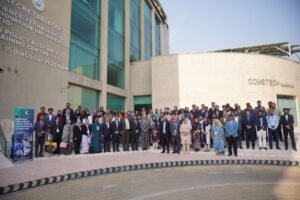
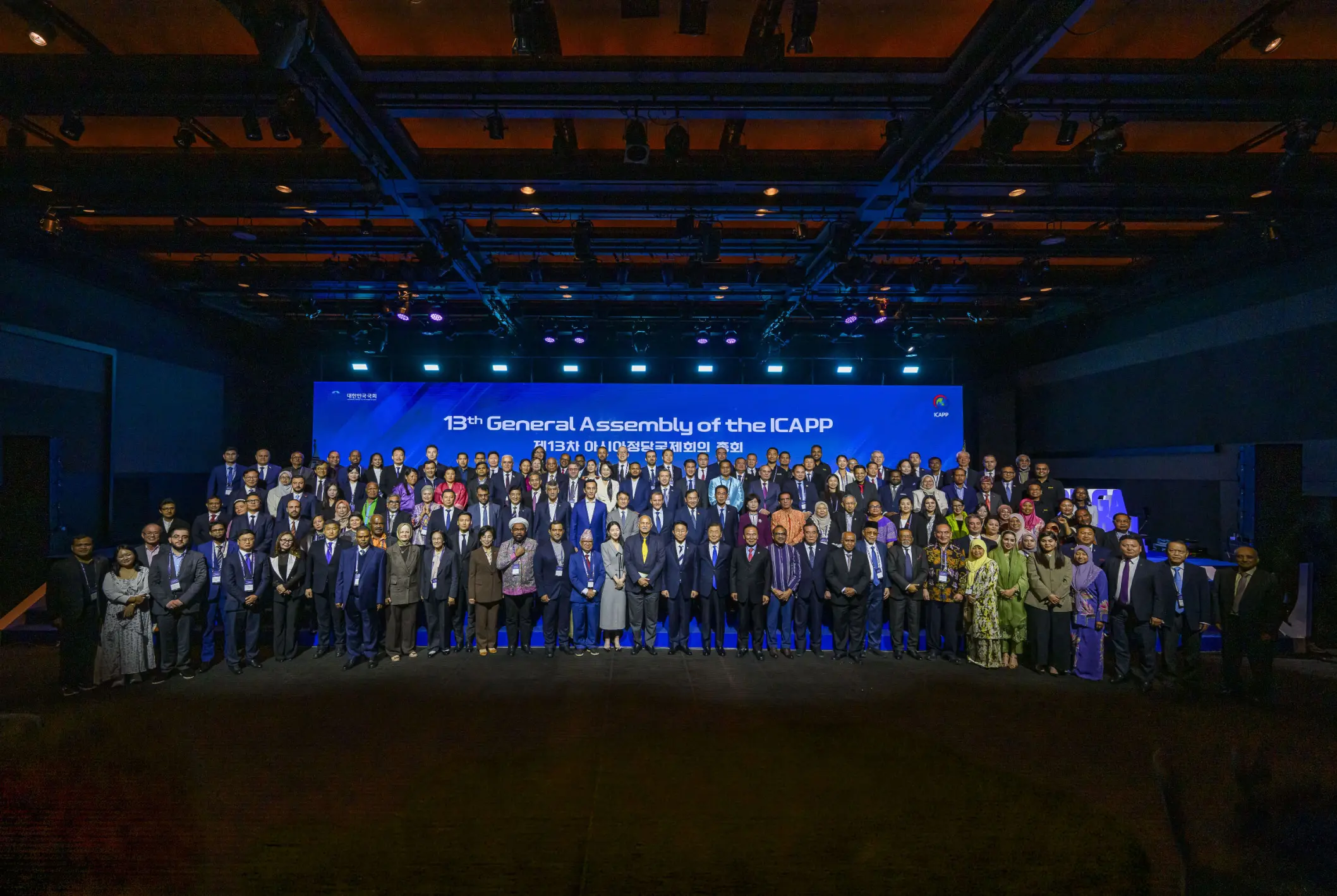
The assembly, which ran from November 4 to 6 at The Shilla Seoul in central Seoul, brought together around 200 party representatives of 83 political parties from 36 Asian countries and 30 Korean lawmakers. Founded in 2000, the ICAPP has brought political leaders from multiple Asian countries together to discuss regional and global issues.
Korea’s ruling Democratic Party and main opposition People Power Party jointly hosted the gathering under the theme “Rebuilding Trust in a Transforming World.” The event marked the first time in 20 years that Seoul had hosted the assembly, following the fourth gathering in 2006.
The “Seoul Declaration” outlined measures to address geopolitical instability, declining trust in democratic governance, the climate crisis and rapid technological change.
Unilateral Actions and International Law
The declaration was unanimously adopted, expressing concern over unilateral actions and reaffirming state sovereignty and territorial integrity, while also calling for strict adherence to the principles of the UN Charter amid growing geopolitical tensions.
The plenary sessions of the Assembly, attended by representatives from Palestine, Iran, China, Pakistan, Sri Lanka, Bangladesh and others, saw discussions on contemporary conflicts, including in Palestine and Iran. Though there is no reference to these conflicts in the declaration, members expressed “great concern” on unilateral actions, intensifying geopolitical rivalry and weakening international cooperation.
It said non-interference in the internal affairs of states, the peaceful settlement of international disputes, and the equal status of all nations were essential to maintaining peace, stability and reconciliation.
“We were particularly concerned that in international relations, unilateral actions, the use of the threat of force, and selective observance of international obligations can erode confidence in the international legal order,” reads the declaration.
Rejecting the use or threat of force as instruments of diplomacy, the participating parties called on all countries to respect international law consistently, irrespective of their size or geopolitical influence.
AI, Democracy and Climate Change
Beyond geopolitical security, the declaration addressed challenges to democratic governance, climate change and the rapid development of artificial intelligence.
It highlighted a growing deficit of trust between nations, citizens, and institutions, and called for responsible, human-centred oversight of AI technologies, equitable climate finance for developing countries facing climate-related disasters, and stronger democratic accountability.
The declaration urged countries to maintain diplomatic channels in response to heightened tensions, strengthen transparency and accountability in government decision-making, invest in climate monitoring and early warning systems and cooperate on safeguards for high-risk AI technologies.
Chung Eui-yong, Chairperson of the ICAPP Standing Committee and former Minister of Foreign Affairs of South Korea, added that in the Seoul declaration, “we agreed to reject war as an instrument of coercion. This demonstrates our strong commitment to peaceful settlement of conflicts.”
Media Forum Calls for AI Journalism Oversight
The gathering included the eighth ICAPP Media Forum on Friday, where representatives of 35 political parties and 19 journalists from 18 media outlets in 14 countries discussed the media’s role in rebuilding public trust.
The forum unanimously adopted the “Seoul Statement” calling for transparency, verification and human oversight in AI-assisted journalism. It also urged governments to protect freedom of the press and technology companies to address the misuse of AI.
Some 200 representatives from 36 countries agreed on the need for democratic governance and freedom of the press at the ICAPP gathering.
Inter-Continental Dialogue Launched
The assembly also welcomed the launch of the Inter-Continental Dialogue among Political Parties (ICDPP), an initiative aimed at bridging ideological differences and preventing the international community from fragmenting into competing blocs.
ALSO READ: SECP Seeks Bank Records in SE Fruits IPO Probe
The declaration sought to place the principles of the UN Charter at the centre of efforts to rebuild trust among nations.

The 14th ICAPP General Assembly will be held in 2028 in Vietnam.
The Path Forward After ICAPP 2026
The Seoul Declaration represents a coordinated effort by Asian political parties to address interconnected challenges, from geopolitical instability and declining democratic trust to the climate crisis and the rapid rise of artificial intelligence.
By reaffirming respect for international law, promoting human-centred AI governance and demanding equitable climate finance, the parties have set a shared agenda for cooperation.
However, the real impact of the declaration will depend on whether governments can translate these commitments into concrete policies and whether the new Inter-Continental Dialogue can help prevent global fragmentation.
Its success will be determined by whether Asian nations can sustain dialogue, strengthen democratic institutions and deliver measurable action on stability and trust.

I am Areesha, a 3rd-year International Relations student with a strong academic focus on Foreign Policy, International Law, History of International Relations, Non-State Actors, and Diplomacy & Statecraft. With a diverse internship background including HESCO, ISPR, and a current Research and Media Newsletter internship focused on Climate and Economy, I bring a unique blend of analytical thinking, research skills, and media understanding. I am passionate about translating complex global affairs into engaging, reader-friendly, and SEO-optimized content. My academic training in IR has equipped me with excellent research, critical analysis, and structured writing skills, which I now aim to apply in the field of SEO writing and digital content creation. Seeking an opportunity as an SEO Writer Intern where I can contribute with well-researched, impactful, and search-optimized content.