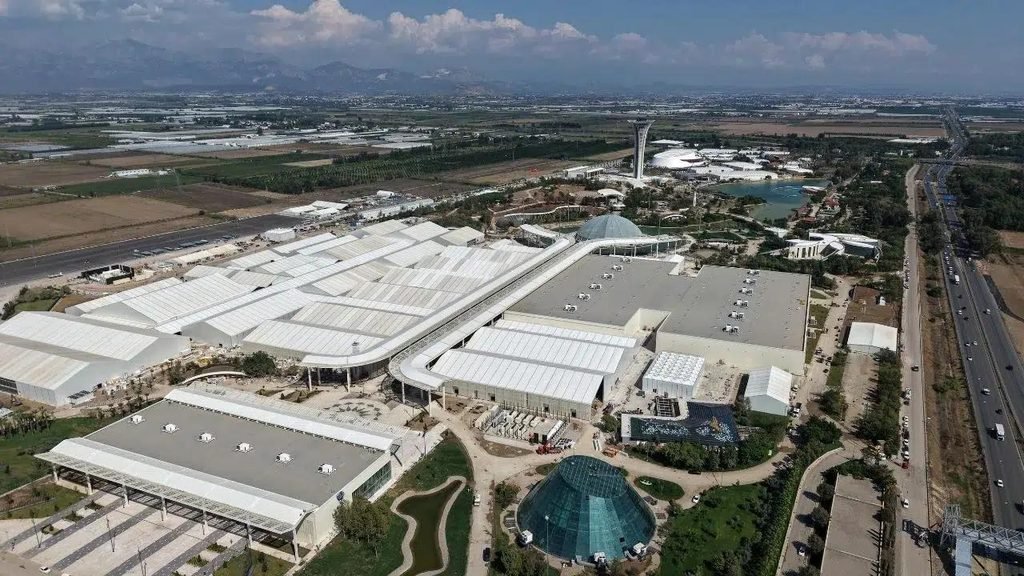
Antalya (GNP): The 31st United Nations Climate Change Conference, known as COP31, opened on November 9, 2026, in Antalya, Türkiye, bringing together representatives from nearly 200 countries to address the growing climate emergency. The international summit comes at a critical moment as rising global temperatures, extreme weather events, geopolitical conflicts and financial pressures continue to complicate efforts to protect the planet.
More than 100,000 participants are expected to attend the two-week conference, including government representatives, climate experts, environmental organisations and international policymakers. The discussions will focus on reducing greenhouse gas emissions, expanding renewable energy, improving climate adaptation and providing financial assistance to developing countries.
However, expectations for major breakthroughs remain uncertain. Disagreements over climate funding, fossil fuel policies and international political tensions are creating additional challenges for countries attempting to reach common decisions.
Climate Emergency Puts Global Leaders Under Pressure
Climate change remains one of the most urgent challenges facing the international community. Rising temperatures, destructive floods, prolonged droughts, wildfires and extreme heatwaves are affecting communities across different regions.
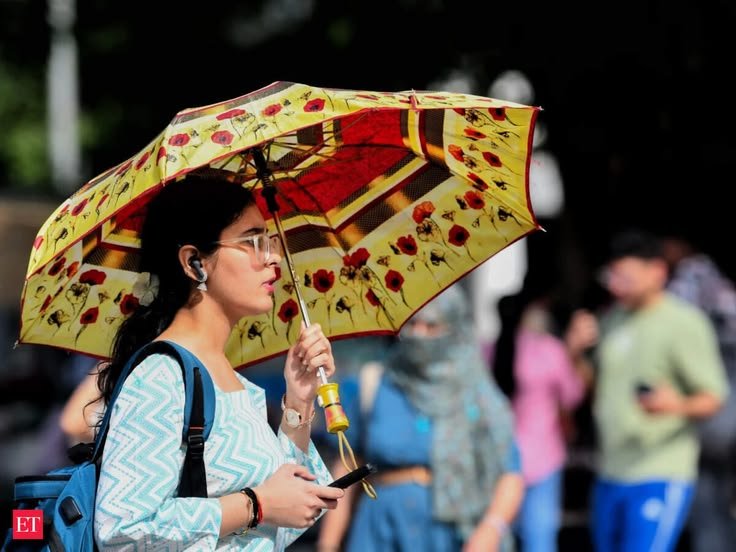
According to reports, Europe has experienced severe heatwaves, wildfires have affected parts of Indonesia, and a glacier collapse has triggered devastating floods in Nepal. These environmental disasters highlight the increasing risks associated with global warming.
Scientists have also warned that the world is on course to exceed the 1.5°C warming threshold established under the Paris Agreement. This target represents an important effort to limit the most dangerous consequences of climate change.
The situation has increased pressure on governments to accelerate emissions reductions, strengthen environmental policies and invest in cleaner energy technologies.
Geopolitical Conflicts Complicate COP31 Negotiations
International political tensions are emerging as another major obstacle to climate cooperation.
The US war with Iran and Russia’s ongoing conflict in Ukraine have contributed to economic uncertainty, energy market disruptions and increased government spending on defence.
These developments are affecting national priorities at a time when countries are expected to make stronger commitments towards environmental protection.
ALSO READ: LPG Committee Holds First Meeting to Ensure Transparent
Governments facing rising energy costs and economic pressures may find it more difficult to allocate resources towards climate programmes. Developing countries, meanwhile, continue to demand greater financial assistance from wealthier nations to manage climate-related emergencies.
The geopolitical situation has also weakened international trust, making it harder for countries with different economic and political interests to reach agreements.
Climate Finance Becomes a Key Issue at COP31
Climate finance is expected to remain one of the most difficult subjects during the negotiations.
Developing countries are demanding stronger financial commitments from wealthy nations to help them respond to climate change. Many vulnerable communities lack the resources needed to protect infrastructure, improve agricultural systems and recover from extreme weather disasters.
African countries are particularly pushing for discussions on tripling adaptation finance. This funding could support practical measures such as building protective sea walls, introducing drought-resistant crops and improving disaster preparedness.
However, developed countries are facing pressure over their own economic conditions and the availability of additional funding.
The disagreement reflects a wider debate about responsibility for climate change. Developing nations argue that wealthier countries should provide greater assistance because of their historical contribution to greenhouse gas emissions.
Türkiye and Australia Share Leadership Responsibilities
COP31 is being hosted in Antalya, Türkiye, under an unusual leadership arrangement involving Türkiye and Australia.
Türkiye holds the COP31 presidency and is responsible for leading the action agenda, while Australia is overseeing the formal negotiations.
The arrangement followed discussions to resolve disagreements over which country would host the 2026 climate conference.
Australian Climate Change and Energy Minister Chris Bowen is leading the negotiating process, while Türkiye’s Environment Minister Murat Kurum serves as the COP31 president.
Both countries have expressed their intention to focus on practical implementation rather than making additional promises without measurable results.
The summit is therefore being presented as an opportunity to strengthen international cooperation and accelerate existing climate commitments.
Türkiye Promotes Global Electrification by 2035
One of the major proposals associated with Türkiye’s COP31 action agenda is an electrification initiative.
The proposal aims to increase electricity’s share of global energy demand from approximately 20% to 35% by 2035.
The initiative is intended to encourage greater electricity use across different economic sectors and support the transition towards cleaner energy systems.
However, the proposal could create disagreements over how electricity should be generated. The European Union has called for clean electrification, raising questions about the role of fossil fuels in achieving the target.
Countries previously agreed to transition away from fossil fuels at COP28 in Dubai in 2023, but translating that commitment into practical policies has remained difficult.
The issue is expected to remain an important part of the discussions as governments consider how to expand electricity access while reducing carbon emissions.
The 1.5°C Global Warming Target Faces Growing Threats
Another major concern surrounding COP31 is the possibility of exceeding the 1.5°C global warming threshold.
The Paris Agreement established this target to reduce the risks associated with climate change and limit long-term environmental damage.
However, current scientific assessments indicate that global temperatures are on course to exceed this level.
An exceptionally strong El Niño climate phenomenon is also expected to intensify weather conditions later in 2026, potentially contributing to record-breaking temperatures in 2026 or 2027.
Exceeding the 1.5°C threshold does not mean that climate action is no longer meaningful. Every effort to reduce emissions and limit additional warming can still help protect ecosystems, communities and future generations.
The situation makes stronger international cooperation particularly important as countries prepare their next climate commitments.
US Absence Raises Questions About International Climate Cooperation
The United States is another important factor in the wider climate negotiations.
President Donald Trump’s administration has withdrawn the country from the Paris Agreement and has not sent official government representatives to COP31.
However, a US congressional delegation is expected to attend the conference.
The absence of official US participation raises questions about international climate cooperation, particularly because the country plays a significant role in the global economy and has historically contributed substantially to greenhouse gas emissions.
The development also highlights how changes in political leadership can influence environmental policies and international agreements.
What Happens Next at COP31?
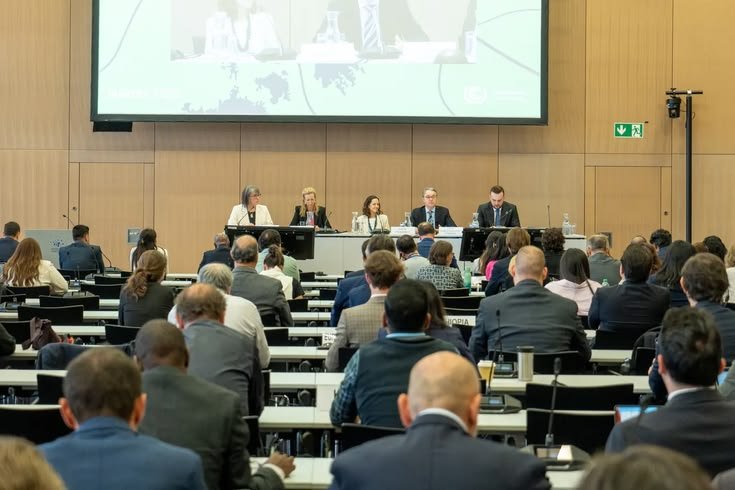
The negotiations are expected to continue over the two-week conference, with approximately 160 issues on the agenda.
Key discussions include emissions reduction, climate adaptation, financial support, a fair transition towards low-carbon economies and the review of international climate funding mechanisms.
Countries will also need to consider how existing climate promises can be converted into practical policies.
The outcome of COP31 will depend on whether governments can overcome disagreements and reach decisions that support both environmental protection and economic development.
Developing nations are particularly interested in securing accessible financial assistance, while environmental organisations are calling for faster action to reduce dependence on fossil fuels.
The Path Forward After COP31
COP31 has opened at a time when climate change is increasingly connected to global politics, economic uncertainty and energy security. Rising temperatures and extreme weather events are creating an urgent need for international cooperation, while geopolitical conflicts and financial disagreements continue to complicate negotiations.
The summit offers governments an important opportunity to strengthen climate commitments, improve financial support for vulnerable countries and accelerate the transition towards cleaner energy.
However, the real success of COP31 will not be determined by speeches or announcements alone. Its importance will depend on whether participating countries can turn their promises into measurable action and deliver meaningful progress towards protecting the global environment.

I am Areesha, a 3rd-year International Relations student with a strong academic focus on Foreign Policy, International Law, History of International Relations, Non-State Actors, and Diplomacy & Statecraft. With a diverse internship background including HESCO, ISPR, and a current Research and Media Newsletter internship focused on Climate and Economy, I bring a unique blend of analytical thinking, research skills, and media understanding. I am passionate about translating complex global affairs into engaging, reader-friendly, and SEO-optimized content. My academic training in IR has equipped me with excellent research, critical analysis, and structured writing skills, which I now aim to apply in the field of SEO writing and digital content creation. Seeking an opportunity as an SEO Writer Intern where I can contribute with well-researched, impactful, and search-optimized content.