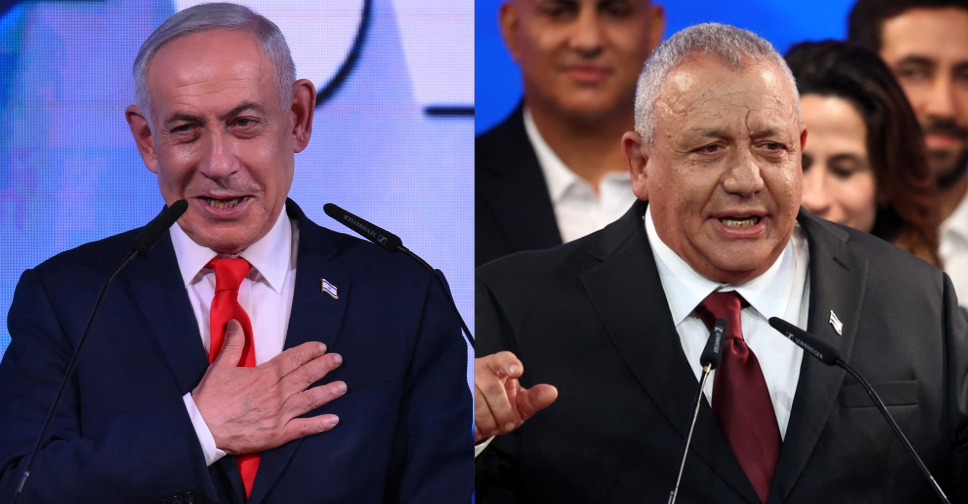
Jerusalem (GNP): Israel exit polls show no clear winner in Tuesday’s general election. Neither Prime Minister Benjamin Netanyahu’s right-wing bloc nor the opposition alliance led by Gadi Eisenkot is projected to reach the 61 seats needed for a majority in the 120-member Knesset.
The projections from Israel’s three major television networks put each camp at around 51 seats. That result points to long coalition negotiations, and it gives smaller parties the leverage to decide which side forms the next government.
Voters turned out in large numbers, with participation reaching nearly 78 per cent, the highest since 1999. It was the first national election since the Hamas-led attack of 7 October 2023.
Israeli Arab parties are projected to win between 17 and 18 seats, a significant rise. Some Arab communities reported exceptionally high turnout amid anger over derogatory remarks about the minority by Netanyahu’s far-right allies.
That puts Arab lawmakers at the centre of the coalition arithmetic. Mansour Abbas, a prominent Arab political leader, said the right-wing bloc had suffered a major setback and signalled he was open to working with Eisenkot.
Eisenkot, however, pledged during the campaign not to form a government with Arab lawmakers. Arab parties could still back an opposition-led minority government in parliamentary votes without joining it formally. If that support does not materialise, Israel could face another election.
Speaking to supporters in Jerusalem after 3am, the 77-year-old Netanyahu did not declare victory. He called for a “strong government of the right” and said he was ready to act further against Iran alongside US President Donald Trump.
Also Read: Trump’s Iran Dilemma: Nuclear Deal or Military Action?
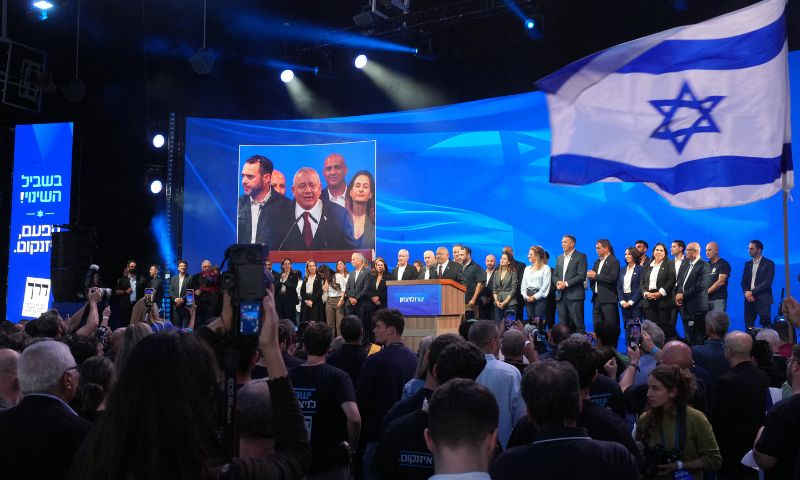
Eisenkot, 66, a former military chief, told supporters in Tel Aviv that the public had voted for change and ruled out a new election. He also warned Netanyahu against using security concerns for political ends, amid speculation that the prime minister could push for a national unity government.
Far-right politician Itamar Ben Gvir, who appeared to underperform in the exit polls, called a unity arrangement with Eisenkot a “terrible mistake”.
The vote comes as Netanyahu faces an International Criminal Court (ICC) arrest warrant over alleged crimes in Gaza, as well as domestic corruption charges. Israel is also under growing international criticism over its campaign in Gaza, its conflict involving Iran, settlement expansion and violence in the occupied West Bank.
Eisenkot is the son of working-class Moroccan Jewish immigrants. If he forms a government, he would become Israel’s first prime minister of Middle Eastern or North African descent.
Political scientist Gideon Rahat of the Hebrew University of Jerusalem said the outcome remains uncertain. Rahat said, “Even if Netanyahu lost, that doesn’t mean Eisenkot won.”

Managing Editor at Global News Pakistan (GNP), with a Bachelor's degree in International Relations from Riphah International University, graduated with a Gold Medal. Reach out at sabahtareengnp@gmail.com