Kabul (GNP): Nearly 19.2 million people in Afghanistan are projected to face acute hunger this winter, according to the United Nations World Food Programme (WFP) and the Food and Agriculture Organisation (FAO). The agencies also expect malnutrition cases to rise to four million in 2027.
The figure comes from the latest Integrated Food Security Phase Classification (IPC) analysis. It shows that around 38 per cent of the population will face high levels of acute food insecurity between November 2026 and April 2027. During the same period a year earlier, the number stood at 17.4 million.
The report warns that about five million people will face emergency levels of hunger, double the number projected for April to September 2026. These families urgently need food assistance and emergency agricultural support to prevent deaths and the collapse of their livelihoods. The most severe food insecurity is expected in Badakhshan, Badghis, Daykundi, Ghor, Samangan, Sar-e-Pul and rural areas of Ghazni.
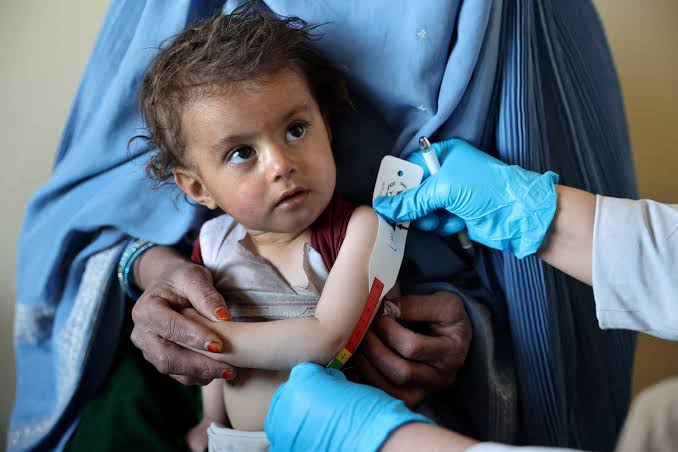
Women and children are bearing the brunt of this deterioration. The number of people expected to suffer from malnutrition in 2027 is nearly 10 per cent higher than in 2026, and around one-quarter of these cases are expected to be severe and potentially life-threatening. The UN agencies said prevention and treatment services are failing to keep pace with the growing caseload.
Several pressures are driving the crisis at once. More than 1.2 million Afghans have returned from Iran and Pakistan this year, adding strain to communities with limited resources. Border closures and disruptions to shipping through the Strait of Hormuz and other major trade routes have pushed up prices of essential goods, while severe funding shortages restrict humanitarian operations just as needs grow.
A better farming season has not eased the hardship. Favourable rainfall improved crop production and restored pastures in 2026, and above-average rainfall linked to the anticipated El Niño season could further support water supplies and winter and spring crops. Even so, persistent unemployment and low household incomes mean many families cannot afford a nutritious diet, even when food is available in local markets.
Poorer farmers face an additional squeeze from high fertiliser and input costs alongside low crop prices, which may force them to plant less or use fewer inputs. The agencies also cautioned that wetter conditions could bring localised flooding, soil erosion, crop damage and plant and animal diseases. With agricultural jobs expected to decline in winter, more households are likely to lose income and depend further on humanitarian assistance, as families under the Taliban administration continue to contend with widespread poverty and limited employment.
Also Read: Finance Minister Engages Global Partners at IMF–World Bank Meetings
Against this backdrop, FAO and WFP have called for urgent funding to expand food assistance, emergency agricultural support, and the prevention and treatment of malnutrition. They stressed that aid must reach vulnerable families before winter cuts off access to remote communities and farmers miss critical planting opportunities.
FAO representative in Afghanistan Richard Trenchard also called for investment in food processing and local agribusinesses to connect farmers with markets and create jobs. He said timely assistance could reduce acute hunger, while helping families grow or afford nutritious food could prevent malnutrition before children need medical treatment. WFP country director John Aylieff warned that the gap between humanitarian needs and available funding is pushing more families towards the brink. The agencies cautioned that Afghanistan could face another year of worsening hunger without immediate support.
Richard Trenchard said, “Families without reliable incomes continue to struggle to afford nutritious food, despite the strong harvest.”

Managing Editor at Global News Pakistan (GNP), with a Bachelor's degree in International Relations from Riphah International University, graduated with a Gold Medal. Reach out at sabahtareengnp@gmail.com