Islamabad (GNP): The United Nations Development Programme (UNDP) in Pakistan hosted a high-level visit by Li Shuyin, Deputy Director General of the China International Centre for Economic and Technical Exchanges (CICETE), aimed at strengthening cooperation and advancing sustainable recovery initiatives across the country.
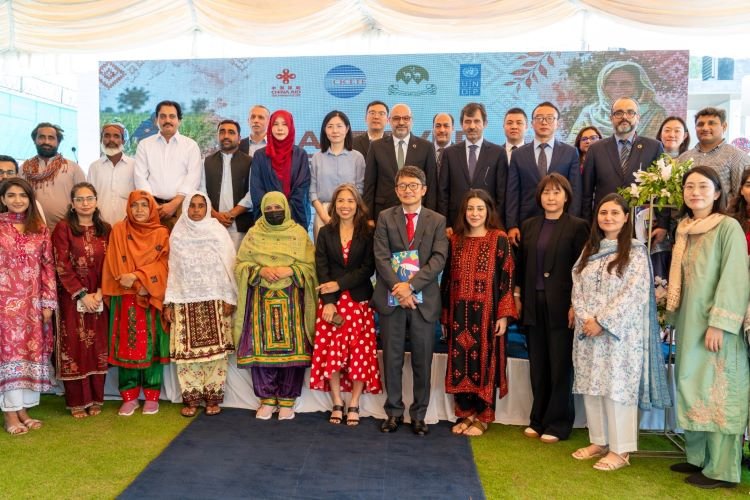
The visit brought together representatives from CICETE, the Chinese Embassy, the Government of Pakistan, the Government of Balochistan, UNDP, and community members who have benefited from China-funded programmes in Balochistan. Their firsthand experiences helped inform discussions on progress made so far, opportunities to expand current initiatives, and priorities for future collaboration.
Building on the success of the first phase of China-backed post-flood livelihood recovery assistance in Balochistan — which reached more than 162,000 people — the new phase extends this work under UNDP’s broader Flood Recovery Programme (FRP), bringing together partnerships, expertise, and resources to support flood-affected communities across the province.
Li Shuyin noted that 2026 marks the 75th anniversary of diplomatic relations between China and Pakistan, describing the two countries’ history as one marked by mutual trust, friendship, and shared support through various challenges. She said that as both nations work to build an even closer partnership in the new era, improving people’s livelihoods remains a central pillar of their relationship, calling the project a concrete example of China-UNDP-Pakistan cooperation in advancing resilient recovery and sustainable development. She added that CICETE remains committed to working with Chinese authorities, UNDP, and other partners to develop further targeted livelihood projects across Pakistan that deliver tangible benefits to both nations and support regional peace and stability.
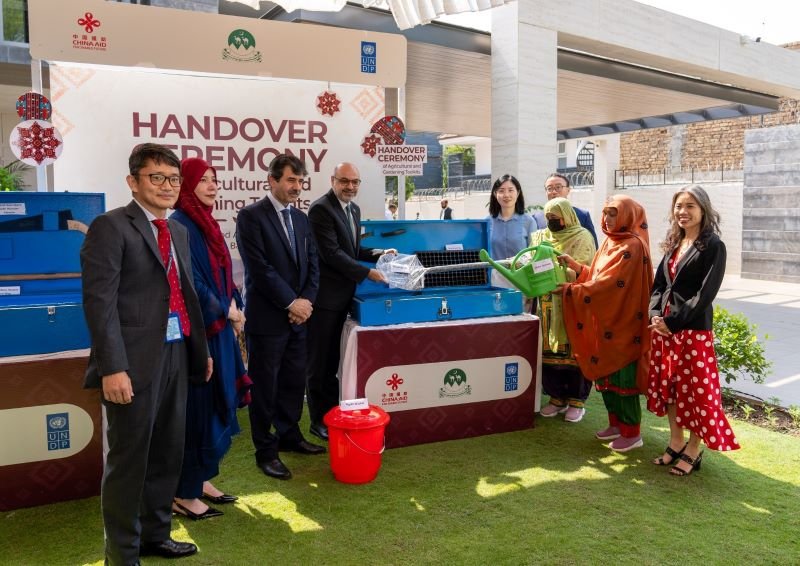
Funded by the Chinese government through the Global Development and South-South Cooperation Fund (GDF) and implemented in partnership with the Government of Balochistan, the Post-Flood Agricultural Restoration (One Town One Product) Project will support roughly 110,000 people across seven districts through agricultural assistance, livelihood support, technical training, targeted aid for 3,000 women, and institutional capacity-building.
Dr. Samuel Rizk, UNDP’s Resident Representative in Pakistan, said climate-related disasters can erase years of progress in a matter of hours, stressing that recovery efforts must go beyond simply replacing what was lost to also address the underlying vulnerabilities that put lives and livelihoods at risk. He said the partnership with the Chinese and Balochistan governments is helping link immediate livelihood support with skills development, stronger local capacity, and greater economic opportunity, enabling communities to recover now while building resilience against future shocks.
During the ceremony, agricultural and kitchen gardening toolkits were distributed, marking a key implementation milestone. These toolkits are designed to boost agricultural productivity and create income opportunities for women through kitchen gardening. Combined, the two phases of China-supported flood recovery assistance are expected to benefit more than 300,000 people across Balochistan, helping communities rebuild livelihoods, improve agricultural output, and strengthen resilience against future climate-related disasters.
Two women from flood-affected communities in Balochistan, Bibi Zainab and Bibi Naz, shared how the floods had disrupted their families’ livelihoods and described how the assistance they received is helping women in their communities resume income-generating activities and work toward greater economic independence. They also pointed to ongoing needs, particularly support for rebuilding homes, restoring livestock, and regaining the stability their families lost.
Mahmood Ahmed Khan, Joint Secretary at the UN Desk of Pakistan’s Economic Affairs Division, said Pakistan values the Chinese government’s continued support for post-flood recovery and UNDP’s role in turning this partnership into practical assistance for affected communities in Balochistan, noting that such initiatives are helping restore livelihoods and build long-term resilience.
Batool Asadi, Chief of Foreign Aid at Balochistan’s Planning and Development Department, said women often bear the brunt of flood-related disruptions to livelihoods and household income, making it essential to help them resume productive work and access economic opportunities as part of a lasting recovery. She expressed appreciation for China’s continued assistance and UNDP’s close partnership with the Balochistan government in supporting affected families.
Also read: Sheikh Highlights Pakistan’s Investment Reforms at WEF
The visit also included a tree-planting ceremony and discussions with members of UNDP’s country team. CICETE and UNDP reaffirmed their commitment to building on this partnership and exploring further opportunities to support inclusive economic development, resilient livelihoods, and sustainable recovery across Pakistan.

Sohail Majeed is a Special Correspondent at The Diplomatic Insight. He has twelve plus years of experience in journalism & reporting. He covers International Affairs, Diplomacy, UN, Sports, Climate Change, Economy, Technology, and Health.