Sana’a (GNP): Yemen’s Houthi movement has used renewed military pressure against Saudi Arabia to pursue economic and strategic objectives, according to a new assessment by the Institute for the Study of War (ISW), as fighting in Yemen intensifies and the wider regional conflict continues to affect shipping, energy markets and Gulf security.
The assessment says the Houthis exploited an opportunity in July 2026 to resume their confrontation with Saudi Arabia and seek concessions aimed at alleviating the group’s severe economic difficulties.
The escalation began on July 20, when the Houthis announced what they described as a maritime blockade against Saudi Arabia.
The group said the measure was a response to what it characterized as Saudi restrictions on Yemen.
The July escalation created additional risks for shipping through the Red Sea and Bab al-Mandeb, one of the world’s strategically important maritime passages.
Houthi announcement threatened to open another front affecting global energy supplies, while the group subsequently claimed attacks against Saudi oil tankers.
According to ISW, the Houthis’ immediate objectives are substantially economic. The assessment identifies demands that include compensation for the war, payment of salaries for Houthi officials and the removal of restrictions affecting Houthi-controlled ports and airports.
Saudi Arabia has restricted access to Houthi-controlled ports and airports since 2015, according to the assessment, creating difficulties for the movement of goods, fuel and other supplies.
The analysis also argues that economic concessions alone are unlikely to resolve the broader conflict.
Also Read: Pakistan Vows Full Support for Saudi Arabia
ISW assesses that the Houthis regard consolidation of their control over northern and western Yemen as an important step toward their wider strategic objective of controlling Yemen.
This distinction between immediate economic demands and longer-term territorial ambitions is significant for any potential negotiations.
A reduction in Houthi military activity in return for economic measures could address some of the group’s immediate concerns, but the assessment argues that such measures would not necessarily change the movement’s broader political and territorial objectives.
The Houthis’ relationship with Iran also remains an important element of the regional picture.
The movement receives Iranian backing, including military and technological assistance, but ISW characterizes the Houthis as an independent Iranian partner rather than a force that necessarily follows every Iranian directive.
That independence could complicate diplomatic efforts to persuade Tehran to restrain Houthi operations against Saudi Arabia.
At the same time, the possibility of regional states attempting to use their relationships with Iran to reduce Houthi attacks has become more significant as the conflict expands.
Pakistan could also face pressure from the evolving situation. ISW assesses that Islamabad may seek to use its relationship with Iran to encourage restraint in Houthi operations against Saudi Arabia.
This comes as Pakistan’s security relationship with Saudi Arabia has become more significant. In August 2026, Pakistan, Saudi Arabia and Türkiye signed the Mecca Joint Defence Agreement, adding another layer to the regional security environment.
Another major issue identified in the assessment is Marib Governorate. ISW assesses that the Houthis may seek control of Marib because of its energy resources and potential access to oil production and export routes through the Red Sea.
Such control, if achieved and if exports were practically possible, could provide an additional source of revenue for the movement’s political and military activities.
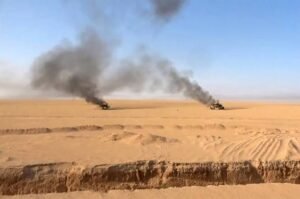
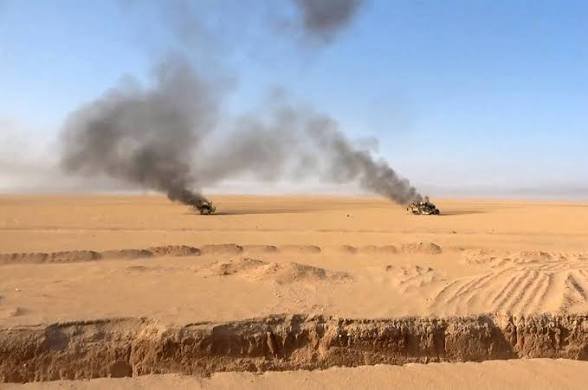
The renewed conflict is already producing wider humanitarian consequences. Reuters reported on September 18 that more than 115,000 people had been displaced by the renewed fighting, while the International Organization for Migration reported more than 112,000 internally displaced people and thousands who had fled toward Djibouti.
The fighting is also affecting regional energy and maritime security. Saudi oil shipments through the Red Sea have faced disruption, while attacks and threats around the Bab al-Mandeb have increased risks for commercial shipping.
Saudi Arabia’s East-West Pipeline was also disrupted following an attack, adding pressure to regional oil logistics.
Iran’s wider confrontation with the United States and its allies has further complicated the environment.
ISW assesses that Tehran has continued efforts to disrupt regional shipping and impose economic costs on the United States and its partners, while maritime traffic through the Strait of Hormuz has nevertheless increased relative to earlier levels.
For Saudi Arabia, the renewed Houthi campaign therefore combines economic pressure, threats to maritime routes and a broader territorial struggle inside Yemen.
For Pakistan and other regional states, the developments create competing diplomatic and security considerations as they seek to manage relations with both Riyadh and Tehran.
The immediate trajectory of the conflict will depend on whether negotiations can produce economic arrangements acceptable to the Houthis and Saudi Arabia, while also addressing the deeper territorial and political disputes that have kept Yemen divided.
The latest analysis indicates that even if an economic understanding reduces current Houthi offensives, it may not resolve the movement’s longer-term ambitions in Yemen.