Washington (GNP): The United States has unveiled a sweeping new round of sanctions against Iran, with US Treasury Secretary Scott Bessent describing the measures as the most extensive financial offensive yet mounted against Tehran, aimed at severing the country’s remaining economic lifelines.
The Treasury Department imposed sanctions on nearly 60 individuals, entities and vessels, and issued new determinations across five sectors, including digital assets, technology, gold, aviation and shipping.
Bessent said nations and companies continuing to trade with Iran risked being cut off from the dollar-based financial system, though he declined to name specific countries, saying Washington would instead give them time to comply before moving further.
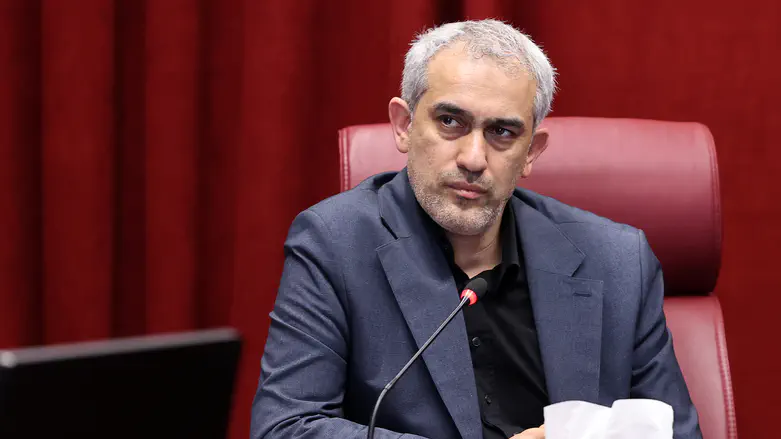
Iran responded defiantly, with Economy Minister Ali Madanizadeh telling state television that the country was fully prepared for the sanctions and had a two-year plan in place to manage the fallout. He said neither China nor Russia had accepted the US measures and predicted that other major trading partners would continue resisting the pressure campaign.
The United Arab Emirates had separately announced last week that it was halting trade and financial transactions with Tehran, though Iran’s largest remaining partners, including China and Turkey, have shown no sign of following suit. The Islamic Revolutionary Guard Corps also warned of a strong response against US interests and energy infrastructure if Iran’s own facilities came under threat.
The sanctions come as the broader conflict between Iran and the United States, which began with US and Israeli strikes earlier this year, continues without a clear diplomatic resolution. Pakistan, acting as mediator, reported progress in its latest round of talks with Tehran focused on preventing further escalation and reopening the Strait of Hormuz, a critical waterway that normally carries about a fifth of global oil and gas flows.
Pakistan’s Interior Minister Mohsin Naqvi, who traveled to Tehran alongside army chief Asim Munir, described the exchange with Iranian leadership as constructive. Shipping through the strait has slowed sharply since the conflict began, with only two commodity vessels transiting the passage on Monday, the lowest daily total recorded since early May.
Also Read: Pak, Iran Hold Talks on Regional Peace and Stability
The economic consequences of the standoff are already visible in global energy markets, with oil prices rising over recent months and fuel costs climbing in the United States ahead of the country’s midterm elections in November. China, which purchases roughly 90 percent of Iran’s oil exports, has consistently declined to recognize US sanctions in the past, a pattern analysts expect to continue.
The Chinese Foreign Ministry said sanctions and pressure tactics do not resolve disputes and reiterated that Beijing would act to protect its own interests. With Washington signaling it intends to move quickly and Tehran vowing to draw on its own countermeasures, the standoff shows little indication of easing in the near term.
Ali Madanizadeh said, “We are fully prepared for the U.S. sanctions.”

Managing Editor at Global News Pakistan (GNP), with a Bachelor's degree in International Relations from Riphah International University, graduated with a Gold Medal. Reach out at sabahtareengnp@gmail.com