Washington/Tehran (GNP): The United States and Iran are careening toward a major economic confrontation as Washington prepares to execute a comprehensive sanctions offensive targeting Tehran’s foreign trade network. US Treasury Secretary Scott Bessent has declared the upcoming measures an “economic D-Day,” signaling a strategic shift designed to penalize non-US companies, financial institutions, and foreign governments that maintain economic ties with the Islamic Republic.
This aggressive posture specifically aims to dismantle Iran’s remaining financial lifelines, focusing heavy pressure on international buyers of Iranian crude. By threatening secondary sanctions against foreign entities and trade partners—particularly in banking and maritime transport—Washington seeks to completely isolate Tehran from the global financial system and cut off its primary source of foreign revenue.
In response to the impending sanctions, Tehran has issued a direct threat to global energy security, warning that it will block all oil exports from the Persian Gulf if the economic offensive proceeds. Mohsen Rezaei, Secretary of Iran’s Supreme National Security Council, asserted that “not a single drop” of oil will pass through the Strait of Hormuz or leave the region if the campaign continues, cautioning that nations supporting Washington’s economic measures will be treated as active participants in the conflict.
Also Read: Araghchi Says “Same Bull, Different Bullies” on US Sanctions
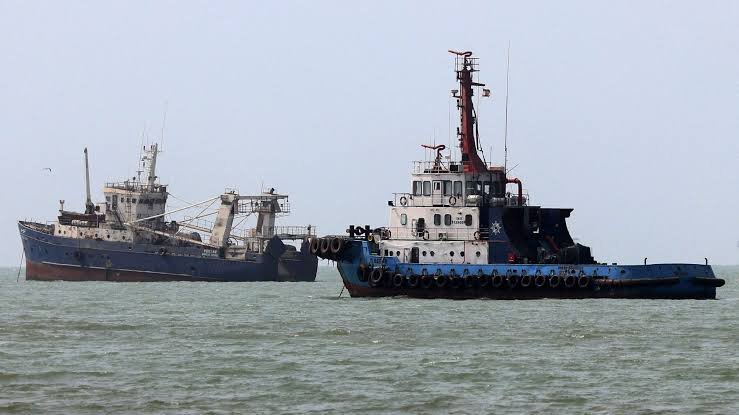
The looming trade blockage threatens to trigger a severe supply shock across world energy markets, as the Strait of Hormuz remains the single most critical chokepoint for international crude shipments. Months of elevated regional tension have already left maritime traffic severely constrained, driving freight costs higher and exposing crude-importing nations—most notably China, which relies heavily on Gulf imports—to acute market instability.
Amid the escalating threat of economic disruption, regional diplomatic channels are actively attempting to prevent a broader crisis. Pakistan’s Chief of Defence Forces, Field Marshal Syed Asim Munir, is visiting Tehran to lead mediation talks aimed at restoring stability and negotiating potential avenues to defuse the standoff before the global energy trade suffers lasting impact.

Managing Editor at Global News Pakistan (GNP), with a Bachelor's degree in International Relations from Riphah International University, graduated with a Gold Medal. Reach out at sabahtareengnp@gmail.com