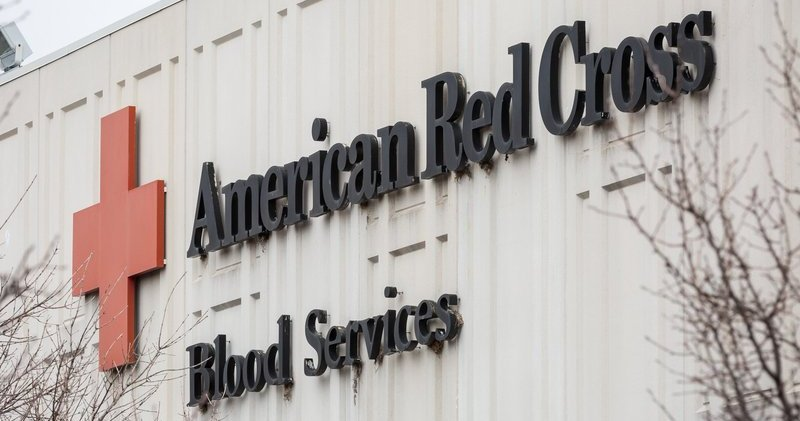
Washington (GNP): The American Red Cross has declared a national blood supply crisis, only the second such declaration in the organisation’s 150-year history, citing a sharp decline in donations combined with unusually high demand from hospitals across the United States. Dr Courtney Lawrence, a representative of the Red Cross, said that a mix of extreme summer heat, wildfires, and a wave of food-borne illness has converged to push inventory levels to a critically low point.
Blood supplies fell by roughly a quarter in the past month alone, a drop that comes precisely when hospital demand tends to rise. Summer months typically bring a higher rate of road accidents and outdoor injuries, both of which increase the need for transfusions, according to Lawrence. As the largest single blood supplier in the country, responsible for close to 40 percent of the national supply, the Red Cross is currently distributing about 3,500 more units than it would in a typical season, forcing the organisation to draw deeply into its reserves.
Compounding the seasonal surge in demand is the fact that blood cannot be stockpiled indefinitely. Donated blood must be transfused within 42 days, since blood cells break down over time, leaving suppliers with little room to build a buffer against sudden shortfalls. Every blood type is currently in need, though the Red Cross has placed particular emphasis on the need for O positive donors, whose blood type is most widely compatible with patients in emergency care.
The consequences of the shortage are already being felt at the hospital level. Lawrence said several medical facilities have indicated the crisis could affect routine procedures, with some institutions weighing whether patients may need to be redirected to alternative trauma centres if local supplies are insufficient to cover emergency care.
Extreme heat has also disrupted donation efforts directly, as fewer people are willing to venture outdoors and some organisations have struggled to maintain safe conditions for scheduled blood drives. Wildfires across parts of the country have further stretched resources, while an outbreak of food-borne illness tied to a parasitic infection has added another layer of strain to an already fragile system.
Also Read: Japan Earthquake Death Toll Climbs to 13 as Search Continues
The only previous instance in which the Red Cross issued a similar crisis declaration was in January 2022, a period marked by the Covid-19 pandemic and severe winter storms that disrupted donation schedules nationwide. The current shortage, by contrast, has emerged during the summer, a season the organisation says should typically see steadier donor turnout.
The shortage is not confined to the United States. Canadian Blood Services has reported a nearly 20 percent decline in donations since the beginning of June, with weekly appointment bookings falling short by between 1,500 and 2,500 over the past six weeks.
Unlike the American situation, Canadian officials say the precise cause of the drop remains unclear, though the agency acknowledged that a seasonal dip in donations had already been anticipated and built into its planning. Officials there warned that reserves of several blood types have fallen to levels that cannot be sustained if the downward trend continues, raising concerns about the ability to meet ongoing patient care needs in the months ahead.

Managing Editor at Global News Pakistan (GNP), with a Bachelor's degree in International Relations from Riphah International University, graduated with a Gold Medal. Reach out at sabahtareengnp@gmail.com