MUMBAI (GNP): Support for students protesting the alleged NEET paper leak has spread rapidly through India’s film industry, with actors, musicians and filmmakers using social media and physical demonstrations to back the Cockroach Janta Party-led movement following Monday’s police crackdown on protesters near Parliament.
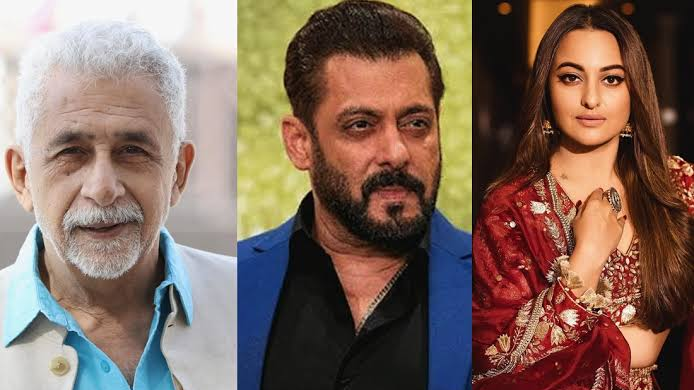
Actor Salman Khan became the first member of Bollywood’s “Khan troika” to comment publicly, writing on X that the movement had been peaceful and expressing sadness that it turned violent, adding that his heart went out to injured students and their families. He called the paper leak issue “very serious” and welcomed the unity shown by students and their parents. Khan also urged that the protests not be “hijacked politically,” saying credit should remain with the students, and expressed hope the government would strengthen the education system going forward.
Actor Preity Zinta appealed for dialogue between the government, hunger-striking activist Sonam Wangchuk, and student bodies, writing that she hoped official engagement would begin before Wangchuk’s health deteriorated further. Wangchuk has remained on an indefinite hunger strike for more than three weeks and is currently receiving medical care at Safdarjung Hospital, where doctors have said his vital signs remain stable.
Actor Imran Khan, who joined a march in Mumbai despite heavy rain, wrote that watching police action against student protesters had deeply affected him, questioning why demonstrators asking to be heard were met with force. He also pushed back against critics demanding the protests be more organized, arguing that the same standard of accountability should apply to the establishment.
Veteran actor Prakash Raj, who took part in the “Chalo Sansad” march on July 20, shared a video clip on X describing the movement as a resurgence of the country’s freedom struggle and pledged continued support for the students.
Actor Sonakshi Sinha again voiced support for the Cockroach Janta Party protest, sharing images of police action against demonstrators on July 21 and writing in her caption that many were injured that day, “aur ek POORE DESH ka dil toota” (and one whole country’s heart broke), urging people to remember it.
Filmmaker Pa Ranjith wrote that the protests had evolved from a demand for accountability into what he called the collective anger of a generation, tying the movement to broader demonstrations across Indian states and referencing the arrest of singer Arivu during a related protest in Chennai. He called on artists, students and citizens to stand in what he described as unequivocal solidarity with the demonstrators.
Actor Ayesha Khan said she was detained by police while attending the protests and later shared a video statement alleging she was forcibly placed in a police van without explanation and transported away from the protest site without being told the reason for her detention.
Veteran actor Naseeruddin Shah also criticized the police response in a shared video, warning that the treatment of protesting youth would not be forgotten.
Also Read: India’s Paper Leak Row Deepens as Modi Resists Calls to Sack Education Minister
Actors Huma Qureshi and Saqib Saleem visited the protest site at Jantar Mantar, joining a growing list of film personalities that also includes Shabana Azmi, Ratna Pathak Shah, Rajkummar Rao, Revathy, Tovino Thomas and Anurag Kashyap, among others who have voiced support for the demonstrators in recent days.
Separately, singer Yo Yo Honey Singh postponed the release of a song teaser, citing the sentiments of the country’s youth and calling on the students to remain strong.
The scale and speed of Bollywood’s response mark a notable departure from the industry’s traditional caution around domestic political controversies. Salman Khan’s carefully worded statement, sympathetic to students while explicitly warning against political appropriation of the movement, reflects the balancing act major stars often attempt when addressing sensitive issues, seeking to register concern without appearing to take a partisan side against the government. By contrast, more overtly critical statements from figures such as Imran Khan, Pa Ranjith and Naseeruddin Shah suggest a widening gap between artists willing to directly criticize the state’s handling of the protests and those opting for more measured, sympathy-first messaging.
The involvement of hunger-striking activist Sonam Wangchuk, whose deteriorating health has become a rallying point across the entertainment world, appears to be functioning as a unifying element that has drawn in even reluctant public figures. As celebrity statements accumulate day by day, they add a layer of public pressure that is distinct from, but reinforcing of, the political demands already being made by opposition leaders and student organizers for Education Minister Dharmendra Pradhan’s resignation.

Managing Editor at Global News Pakistan (GNP), with a Bachelor's degree in International Relations from Riphah International University, graduated with a Gold Medal. Reach out at sabahtareengnp@gmail.com