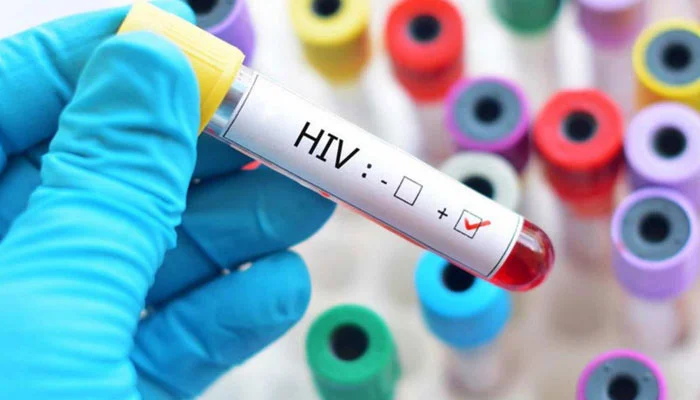
KARACHI (GNP): Sindh Labour Minister Saeed Ghani has confirmed that the number of HIV cases linked to the outbreak at Karachi’s Kulsum Bai Valika (KBV) Hospital has risen to 120. Addressing a press conference at the Sindh Assembly, the minister announced that the provincial government is taking aggressive steps to provide free healthcare to the victims, establish welfare funds, and initiate criminal proceedings against those responsible for the healthcare failures.
Key Screening and Treatment Findings
The provincial health authorities launched a massive screening campaign to identify the scale of the outbreak and contain further transmission.
- Extensive Testing: More than 10,500 individuals were screened at KBV Hospital and its surrounding localities, resulting in 120 positive diagnoses.
- Wider Surveillance: An additional 2,000 people were screened at the Sindh Employees’ Social Security Institution (SESSI) Landhi Hospital, where 10 individuals tested positive for the virus.
- Patient Demographics and Care: Out of the 120 affected individuals, 81 are registered SESSI beneficiaries, while the remaining 39 unregistered individuals are also receiving free medical care. Infected children are currently undergoing treatment across five major hospitals in Pakistan.
- Outbreak Timeline: Minister Ghani clarified that all identified cases trace back to exposure acquired before October 2025. No new cases linked to the outbreak have been recorded since that time.
Accountability and Legal Consequences
The Sindh government has rejected allegations of official inaction, emphasizing that emergency screening and a formal investigation were initiated immediately after the first cases surfaced in October last year.
An initial inquiry confirmed 16 infections and two deaths among children, while a subsequent detailed investigation revealed 78 confirmed cases and six deaths.
To address the severe lapse in medical protocols, the government is executing strict disciplinary measures:
- Staff Disciplinary Action: Show-cause notices have been served to 37 doctors and medical staff members.
- Criminal Charges: Individuals found guilty of professional negligence will not only face dismissal from service but will also have First Information Reports (FIRs) registered against them to initiate formal criminal prosecution.
- Medical Waste Management: The minister identified improper clinical waste disposal as a primary driver of the outbreak. He stated that while clinical waste is governed by the Sindh Hospital Waste Management Rules, certain individuals bypassed these safety protocols for personal gain. Punitive actions are currently underway against those violators.
Welfare Initiatives and Patient Protections
To support the affected families, the Sindh government has established a dedicated Rs 2 billion endowment fund specifically for the medical treatment and welfare of the infected children. Minister Ghani committed to increasing this funding if necessary.
In accordance with the Sindh HIV and AIDS Control, Treatment and Protection Act 2013, the provincial government has pledged to maintain absolute confidentiality regarding the identities of all infected individuals to protect them and their families from social stigma and discrimination.
Also Read: Global Diabetes Cases Set To Hit 853 Million By 2050
Systemic Healthcare Reforms Required
Prominent medical experts present at the briefing emphasized that the outbreak highlights a broader public health challenge across the country.
Dr. Abdul Bari Khan, founder of the Indus Hospital and Health Network, expressed deep concern over the rising prevalence of HIV and hepatitis C in Pakistan, calling for a highly coordinated response between state actors and healthcare providers.
Dr. Faisal Mahmood, an infectious disease specialist and Associate Chief Medical Officer at the Aga Khan University Hospital, noted that infection control failures are not isolated to a single facility. He urged the state to enforce rigid infection prevention protocols across both public and private healthcare facilities nationwide to prevent future outbreaks.