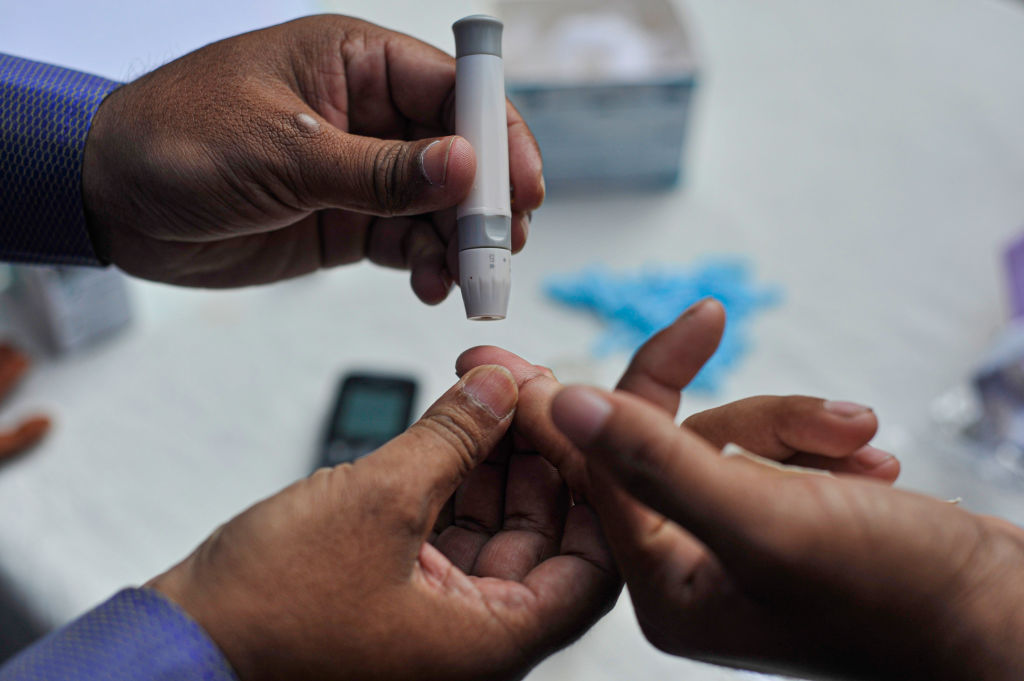
ISLAMABAD (GNP): More than 580 million people worldwide are currently living with diabetes, and that number is projected to climb to roughly 853 million by 2050, a 46 percent increase, according to the latest Diabetes Atlas published by the International Diabetes Federation (IDF).
The 2025 edition of the Atlas found that 11.1 percent of the global adult population aged 20 to 79, or roughly one in nine adults, is currently living with diabetes. Over four in ten of those cases remain undiagnosed, meaning a significant share of people with the condition are unaware they have it.
Diabetes is a chronic condition that develops when the pancreas can no longer produce insulin or when the body cannot use insulin effectively. Insulin is the hormone that allows glucose from food to move out of the bloodstream and into the body’s cells to be used for energy. When insulin production or function fails, glucose builds up in the blood, a state known as hyperglycaemia, which over time can damage organs and tissues throughout the body.
The IDF identifies three main forms of the condition. Type 1 diabetes can develop at any age and requires lifelong insulin treatment for survival. Type 2 diabetes, which accounts for roughly 90 percent of all diabetes cases and is more commonly diagnosed in adults, occurs when the body cannot properly control blood glucose levels. Gestational diabetes involves elevated blood glucose during pregnancy and can create complications for both mother and child.
Beyond these three, the IDF also recognises a smaller group of rarer forms, together affecting an estimated 1.5 to 2 percent of people with diabetes. These include genetic disorders such as Alstrom and Wolfram syndromes, adult-onset autoimmune diabetes known as LADA, gene-mutation-driven MODY that typically appears before age 25, neonatal diabetes diagnosed in a baby’s first six months, and forms triggered by other conditions or medications, including secondary and steroid-induced diabetes, as well as pancreatogenic, or type 3c, diabetes caused by physical damage to the pancreas.
The Complication Burden
People living with diabetes face a significantly elevated risk of complications affecting the heart, blood vessels, eyes, kidneys, nerves, and teeth and gums. The IDF reports that people with diabetes are up to three times more likely to develop cardiovascular disease, that one in three will experience some form of vision loss during their lifetime, that kidney failure occurs ten times more often among people with diabetes than the general population, and that a lower limb is lost to diabetes somewhere in the world every 30 seconds. In high-income countries, diabetes remains a leading cause of cardiovascular disease, blindness, kidney failure and lower-limb amputation.
What Is Driving The Rise
The IDF attributes the growth in type 2 diabetes cases, which make up the large majority of the global total, to a combination of socio-economic, demographic, environmental and genetic factors. Urbanisation, an ageing global population, declining levels of physical activity, and rising rates of overweight and obesity are cited as the main contributors behind the upward trend.
How The Ratio Can Be Brought Down
Unlike type 1 diabetes, for which no prevention method currently exists, type 2 diabetes can in many cases be delayed or prevented altogether, and the IDF points to modifiable risk factors, excess weight, poor nutrition and physical inactivity, as the main levers available to individuals and health systems alike.
On diet, the federation’s guidance emphasises simple substitutions over restrictive rules: replacing sugar-sweetened drinks with water, coffee or tea; eating at least three servings of vegetables and up to three servings of fresh fruit daily; choosing whole grains over refined ones; opting for unsaturated fats such as olive or canola oil instead of saturated fats; and favouring lean meat, poultry or seafood over red or processed meat.
Also Read: Europe Records 10,000 Excess Deaths From Heatwave
On physical activity, the IDF recommends at least 150 minutes of moderate-intensity exercise per week, spread across three to five sessions of 30 to 45 minutes, alongside strength or resistance training on at least two days a week, noting that consistency matters more than intensity. The federation also advises breaking up long periods of sitting every 30 to 60 minutes with light movement, and suggests that people new to exercise start with shorter sessions and build up gradually.
Regular health screening rounds out the federation’s prevention framework, allowing early warning signs to be caught in high-risk individuals so that action can be taken before the condition develops. Combined with sustained lifestyle changes, the IDF says this approach offers the clearest evidence-based path to slowing the global rise in type 2 diabetes cases and reducing the burden of complications for those already living with the condition.

Managing Editor at Global News Pakistan (GNP), with a Bachelor's degree in International Relations from Riphah International University, graduated with a Gold Medal. Reach out at sabahtareengnp@gmail.com