Islamabad (GNP): Pakistan and the World Bank are exploring new avenues for collaboration in human capital development, with fresh initiatives proposed in skills training, healthcare reform, and youth employment.
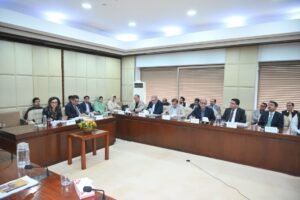
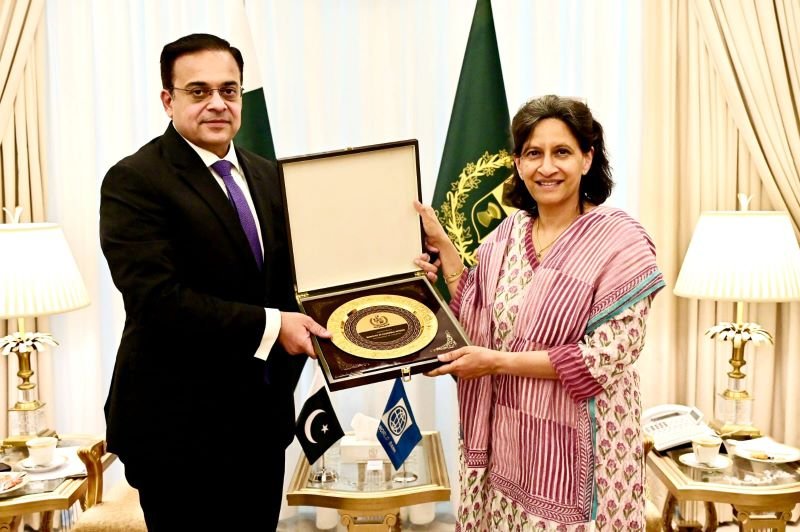
Federal Minister for Economic Affairs Ahad Cheema held talks with World Bank Vice President for People, Mamta Murthi, reviewing the current state of bilateral cooperation and discussing potential new programs targeting workforce readiness, technical education, and job creation for young Pakistanis.
Murthi outlined the Bank’s proposed agenda across health, education, and human development. A key proposal involves a medium-term Health Compact designed to upgrade primary healthcare infrastructure, reduce maternal and child mortality rates, and modernize service delivery through digital tools. Bringing additional development partners on board for these initiatives was identified as a core objective.
She further elaborated on a potential Skills Development Program aimed at overhauling technical and vocational education, equipping youth with market-relevant competencies, and expanding employment pathways across the economy.Minister Cheema expressed support for the proposed initiatives while stressing the importance of anchoring them within Pakistan’s broader national development agenda.
Also Read: Barcelona Congratulates Messi on the Princess of Asturias Award
He called for greater reliance on digital technologies in primary healthcare delivery and insisted that any skills programs must be shaped by industry demand rather than supply-side assumptions.
The Minister also pushed for stronger private sector involvement, urging expanded engagement from the International Finance Corporation (IFC) in both the healthcare and vocational training spaces.
Broader frameworks for tripartite collaboration among the government, World Bank Group, and private sector were also explored during the meeting.
Both parties concluded with a shared commitment to deepening their partnership in advancing Pakistan’s human capital goals and long-term economic development.

Sohail Majeed is a Special Correspondent at The Diplomatic Insight. He has twelve plus years of experience in journalism & reporting. He covers International Affairs, Diplomacy, UN, Sports, Climate Change, Economy, Technology, and Health.