
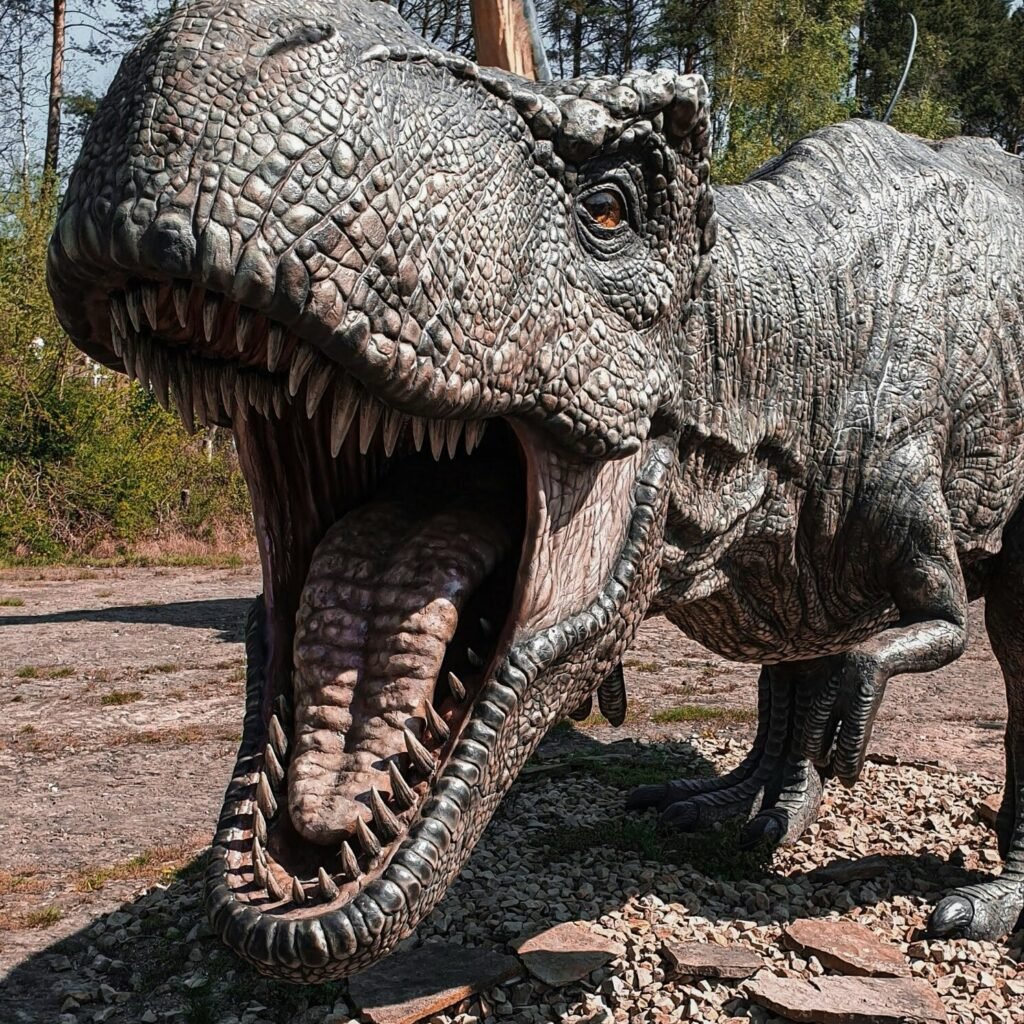
Islamabad, June 1, 2026 (GNP): National Dinosaur Day is being celebrated worldwide with educational programs, museum exhibitions, science workshops, and interactive activities designed to raise awareness about dinosaurs and Earth’s prehistoric history. The annual observance has become a significant occasion for educators, researchers, museums, and science enthusiasts who aim to inspire curiosity among children and adults alike.
Dinosaurs have remained one of the most fascinating subjects in modern science. Despite becoming extinct millions of years ago, they continue to capture global attention through documentaries, museum displays, books, films, and academic research. Paleontologists say that ongoing fossil discoveries continue to reshape scientific understanding of prehistoric ecosystems and animal evolution.
Educational institutions are using National Dinosaur Day as an opportunity to introduce students to scientific thinking and research methods. Interactive classroom activities, fossil excavation simulations, and educational presentations are helping children understand how scientists study ancient life through fossil evidence. Many schools are also incorporating creative learning projects such as dinosaur art competitions, storytelling sessions, and science quizzes to make learning more engaging.
This year’s celebrations are placing a strong focus on science education, fossil preservation, and public engagement with paleontology. Schools, universities, and museums across multiple countries are organizing events that encourage students to learn more about extinct species, natural history, and the evolution of life on Earth. This growing interest in the observation of a day dedicated to the history of dinosaurs can help younger generations develop a deeper appreciation for scientific discovery and environmental awareness.
Museums are playing a major role in this year’s celebrations. Several natural history museums have expanded their dinosaur exhibits and launched family-oriented programs that allow visitors to experience prehistoric life in immersive ways. These exhibitions often include fossil replicas, digital reconstructions, and interactive educational technology that explain how dinosaurs lived, evolved, and eventually disappeared from the planet.
According to science educators, dinosaurs serve as an effective gateway to broader scientific subjects such as biology, geology, ecology, and climate science. Researchers believe that interest in prehistoric creatures can encourage children to pursue careers in science, technology, engineering, and mathematics. Experts also note that dinosaur-related education promotes critical thinking, observation skills, and curiosity-driven learning.
Social media campaigns related to National Dinosaur Day are also gaining widespread attention. Educational organizations, museums, and science communicators are sharing dinosaur facts, fossil discoveries, and educational resources online to encourage public participation. Hashtags related to dinosaur learning and paleontology awareness are trending across multiple digital platforms, especially among students and educators.
Families are participating in the celebrations through visits to museums, science centers, and educational parks. Parents are increasingly encouraging children to engage with science-focused entertainment that combines learning with creativity. Toy companies, educational publishers, and children’s media creators are also introducing dinosaur-themed educational products to coincide with the observance.
Public interest in dinosaurs continues to support scientific institutions and museum programs. Increased visitor engagement often helps museums expand educational outreach initiatives and invest in fossil research projects. Many experts believe that science communication plays a critical role in making paleontology accessible to broader audiences.
Also Read: President Zardari Felicitates the Italian leadership on National Day
Several universities and research institutions have announced public lectures and online seminars discussing the latest developments in dinosaur research. Topics include fossil excavation methods, newly discovered species, prehistoric climate conditions, and the evolutionary relationship between dinosaurs and modern birds. These discussions are helping bridge the gap between academic science and public understanding.
National Dinosaur Day celebrations are not limited to academic environments. Community organizations and libraries are organizing educational storytelling events, documentary screenings, and children’s workshops to encourage widespread participation. Public parks and science centers are also hosting themed activities designed to make science learning more interactive and enjoyable.
As celebrations continue worldwide, organizers hope the observance will inspire future generations to explore science, question the unknown, and contribute to ongoing discoveries about Earth’s ancient history. Through education, research, and public engagement, National Dinosaur Day remains an important platform for promoting scientific awareness and lifelong learning.