
UNESCO Hosts Workshop to Validate Pakistan’s Flood Early Warning System Review
Islamabad (GNP) :- UNESCO convened a Validation Workshop in Islamabad to review and finalize the findings of the Comprehensive Review of Pakistan’s Flood Early Warning System (FEWS), a nationwide assessment examining the effectiveness, coordination, and responsiveness of flood early warning mechanisms. The workshop, held online, brought together 37 representatives from federal and provincial governments, technical agencies, academia, development partners, and UN organizations engaged in disaster risk reduction and climate resilience.
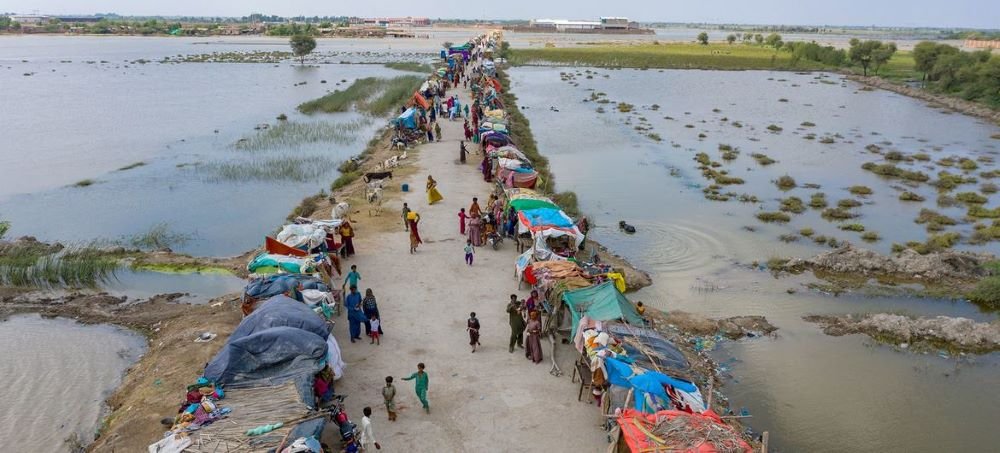
The workshop marks a critical milestone in consolidating evidence gathered through nationwide consultations and technical analysis conducted over the past few months. The review assesses the full early warning chain, from risk knowledge and hazard monitoring to forecasting, warning dissemination, and early action, highlighting both progress and persistent gaps, particularly in last-mile delivery and the translation of forecasts into timely action during recent flood events, including the 2025 monsoon.
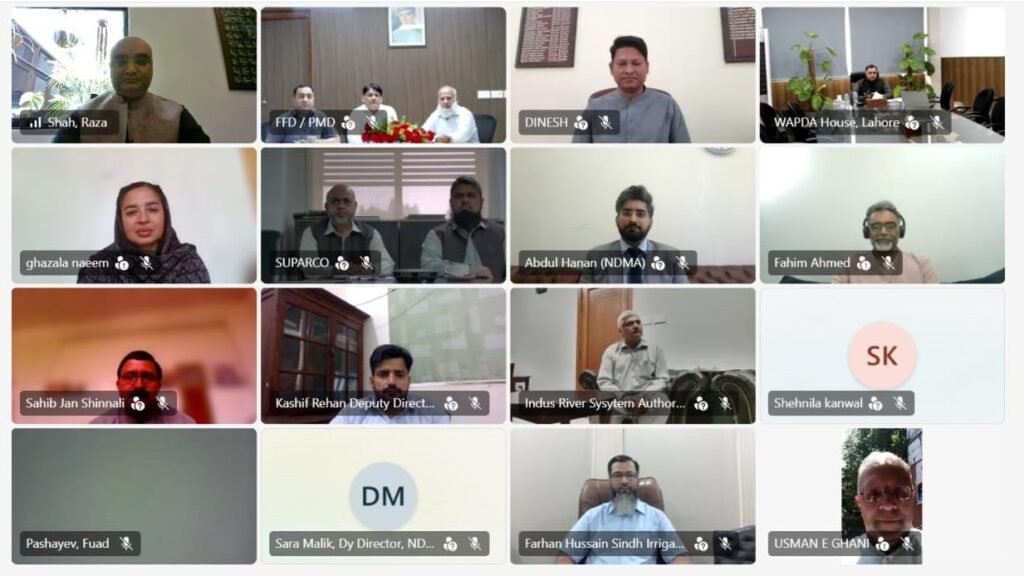
Opening the session, Fuad Pashayev, UNESCO Representative in Pakistan, underscored the importance of collective ownership and practical outcomes, stating:
“This workshop is not simply a presentation of findings; it is an opportunity to ensure that the assessment truly reflects operational realities, institutional priorities, and the diverse experiences of stakeholders across the country. The objective today is to validate key findings, refine strategic recommendations, and build consensus around actionable and implementable solutions.”
Participants reviewed key findings of the assessment, including challenges related to data integration, inter-agency coordination, localization of warnings, and community engagement. The workshop also focused on refining strategic recommendations and identifying practical, actionable priorities to enhance system performance across all stages of the early warning cycle, risk assessment, monitoring and forecasting, warning dissemination, and preparedness and response.
Discussions emphasized the need for a people-centered, impact-based early warning approach, improved interoperability among institutions, and stronger linkages between scientific forecasting and decision-making processes at national and local levels. Stakeholders also underscored the importance of integrating indigenous knowledge, engaging local leadership, and involving sectoral actors in preparedness and response efforts.
The validation process aims to ensure that the final FEWS assessment is grounded in operational realities, reflects institutional priorities, and is collectively endorsed by key stakeholders. The refined recommendations will contribute to strengthening Pakistan’s capacity for anticipatory action, disaster risk reduction, and climate resilience.
The review is aligned with global frameworks including the Sendai Framework for Disaster Risk Reduction 2015–2030, the Paris Agreement, and the UN Secretary-General’s Early Warning for All initiative, while directly supporting national efforts to enhance resilience to climate-induced disasters.
UNESCO reaffirmed its commitment to supporting Pakistan through evidence-based policy advice, technical expertise, and multi-stakeholder partnerships aimed at building a more effective, inclusive, and resilient flood early warning system.
UNESCO reaffirmed its commitment to supporting Pakistan through resilient flood early warning system

Sohail Majeed is a Special Correspondent at The Diplomatic Insight. He has twelve plus years of experience in journalism & reporting. He covers International Affairs, Diplomacy, UN, Sports, Climate Change, Economy, Technology, and Health.