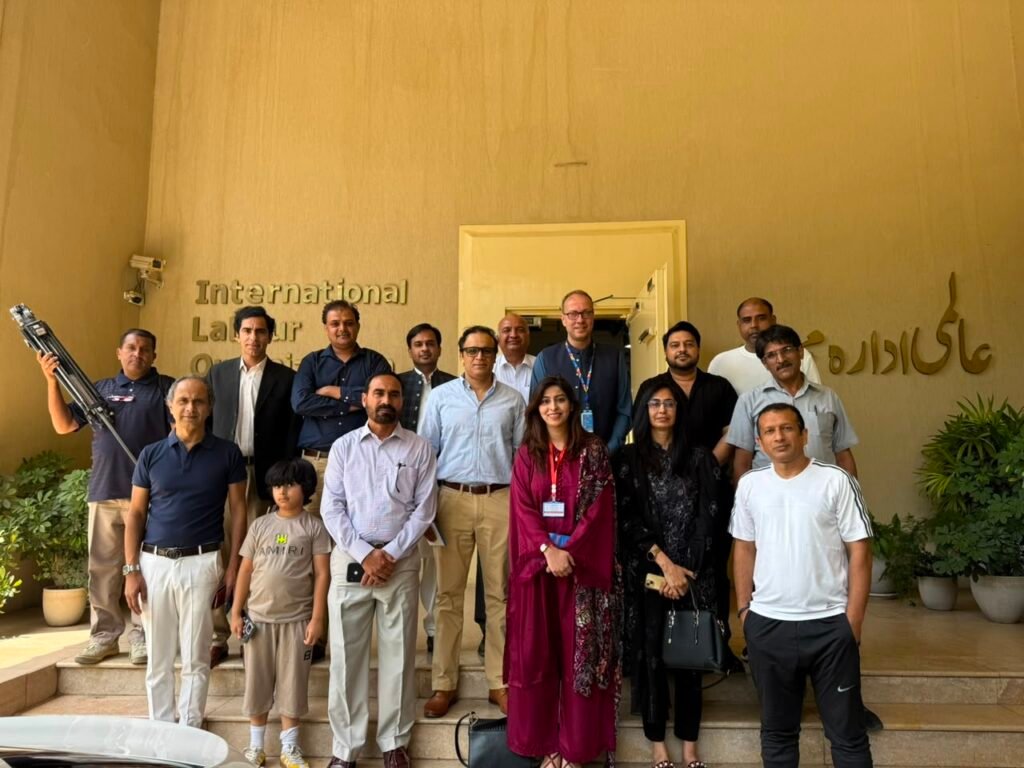
ISLAMABAD (GNP): An estimated 8.6 million children aged 5–17 are engaged in child labour in Pakistan, underscoring the need for accelerated efforts to tackle its root causes and ensure that every child has access to education, protection and opportunities to reach their full potential.
ILO highlights the need for stronger action on education, decent work, social protection and responsible business practices to address the root causes of child labour.
Marking World Day Against Child Labour, the International Labour Organization (ILO) hosted a media briefing in Islamabad to discuss the child labour situation in Pakistan and the collective efforts needed to address it.
Recent evidence also indicates that around 25.1 million children aged 5–16 remain out of school, while 88 per cent of child labour is concentrated in rural areas. Child labour continues to affect children across a range of sectors, including agriculture, brick kilns, domestic work, waste-picking and other parts of the informal economy.
Speaking at the briefing, ILO Country Director for Pakistan Geir T. Tonstol emphasized that child labour is not only a child protection issue, but also a fundamental rights, decent work and development challenge.
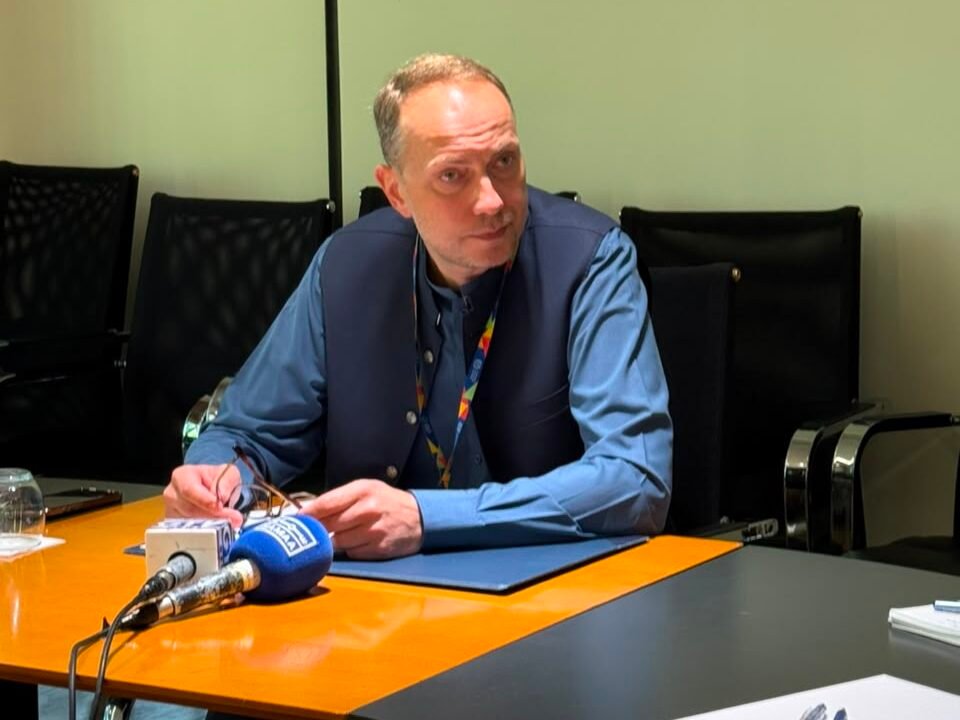
“Child labour reflects poverty, informality, unequal opportunities, barriers to education and gaps in social protection. Addressing it requires more than enforcement alone. It requires quality education, decent work opportunities for adults, adequate incomes and stronger social protection for vulnerable families,” said Tonstol.
The ILO noted that child labour and school exclusion are closely linked. Children who are out of school face a greater risk of entering work, while children engaged in labour are less likely to complete their education. The Organization called for a comprehensive response involving government institutions, employers’ and workers’ organizations, civil society, development partners and the media.
Also Read: United States Welcome the World for FIFA World Cup 2026
The federal government has an important role in policy coherence, coordination and implementation of national and international commitments, while provincial governments play a critical role in legislation, labour inspection, child protection, education and enforcement. Employers’ and workers’ organizations also have an essential role in promoting responsible business practices, social dialogue and decent work.
The ILO highlighted that progress on child labour is closely linked to Pakistan’s broader development priorities and international commitments. Under the European Union’s GSP+ scheme, Pakistan’s preferential access to EU markets is linked to the effective implementation of 27 international conventions, including core labour and human rights standards.
“There is both a moral imperative and a strong economic case for ending child labour. Responsible businesses, buyers and consumers increasingly expect supply chains to be free from child labour and other unacceptable forms of work,” said Tonstol.
Through partnerships with government, employers’ and workers’ organizations, the ILO continues to support efforts to strengthen policies, labour administration systems, awareness raising, social dialogue and interventions in sectors where child labour risks remain high.
Observed annually on 12 June, World Day Against Child Labour serves as a global call to action to eliminate child labour in all its forms and ensure that every child can learn, play and develop in a safe and supportive environment.

Sohail Majeed is a Special Correspondent at The Diplomatic Insight. He has twelve plus years of experience in journalism & reporting. He covers International Affairs, Diplomacy, UN, Sports, Climate Change, Economy, Technology, and Health.