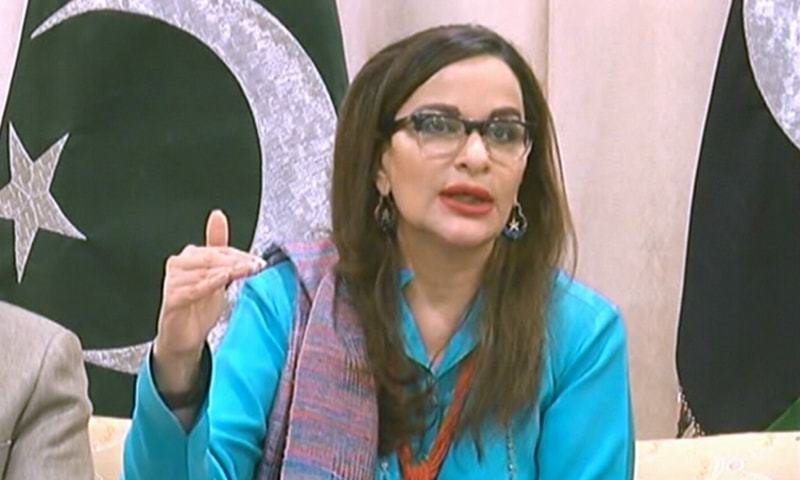
Islamabad (GNP): Sherry Rehman Child Labour Pakistan 2026 concerns were brought to national attention as Senator Sherry Rehman expressed grave concern over the continued prevalence of child labour in Pakistan on World Day Against Child Labour. She called it a national crisis that threatens the future of millions of children and seriously undermines the country’s development goals. She said every child deserves a childhood, an education, and the opportunity to realise their full potential, yet millions of Pakistani children remain trapped in cycles of poverty, exploitation, and hazardous work.
According to the International Labour Organization, approximately 8.6 million children in Pakistan are engaged in child labour. Of these, nearly 2.7 million are involved in the worst and most hazardous forms of labour, including work in agriculture, brick kilns, domestic servitude, and dangerous workshops. Recent data also shows that 37 percent of Pakistani children between the ages of 5 and 14 perform labour to support their families. The burden falls hardest on rural communities, where 44 percent of children are engaged in labour compared to 26 percent in urban areas.
Senator Rehman also highlighted the hidden burden faced by girls. While boys are more likely to be engaged in economic labour, many young girls spend more than 21 hours per week performing unpaid household work, which limits their access to education and leaves them vulnerable to multiple forms of exploitation. She said child labour is not just a labour issue but a human rights issue, a development issue, and a social justice issue that keeps future generations trapped in poverty.
Sherry Rehman Child Labour Pakistan 2026 Highlights Legal Framework Gaps
Sherry Rehman Child Labour Pakistan 2026 statement also outlined Pakistan’s legal framework for protecting children. She noted that Article 11(3) of the Constitution strictly prohibits the employment of children below the age of 14 in factories, mines, and hazardous occupations.
Article 25A guarantees free and compulsory education for all children between the ages of 5 and 16, while Article 37(e) obligates the state to ensure humane working conditions and protect children from unsuitable employment. The Employment of Children Act 1991 further prohibits the employment of children under 14 in hazardous occupations.
Also read: Message from the President on the Independence Day of the Philippines
However, Senator Rehman stressed that laws alone are not enough. She said Pakistan does not suffer from a shortage of laws but from gaps in enforcement. Child labour continues because poverty persists, schools remain inaccessible for many children, social protection systems are inadequate, and accountability mechanisms are often too weak to make a real difference on the ground.
She called for a national strategy combining poverty alleviation, expanded social protection, universal access to quality education, stronger labour inspections, and targeted support for the most vulnerable communities. She also raised the growing impact of climate change on child vulnerability, noting that climate disasters, displacement, and economic shocks are pushing more children into labour, particularly in rural and marginalised communities. She said Pakistan, as one of the world’s most climate-vulnerable countries, must recognise the link between climate insecurity and child exploitation.
Senator Rehman reaffirmed Pakistan’s commitment to Sustainable Development Goal 8.7, which calls for the eradication of child labour in all its forms. She said ending child labour is not just an aspiration but an obligation, and that every child removed from labour and placed in a classroom is an investment in Pakistan’s future. She urged government, civil society, the private sector, and international partners to act together to ensure no child is forced to trade their childhood for survival.

Sohail Majeed is a Special Correspondent at The Diplomatic Insight. He has twelve plus years of experience in journalism & reporting. He covers International Affairs, Diplomacy, UN, Sports, Climate Change, Economy, Technology, and Health.