Tehran (GNP): Iran has warned that any further American military action against its interests will draw a far more painful response than previous exchanges, deepening a confrontation that has entered its seventh month with no resolution in sight. The warning came after a fresh round of naval clashes in the Gulf, where Iranian forces targeted American warships and Washington retaliated by striking three vessels linked to Tehran’s oil trade.
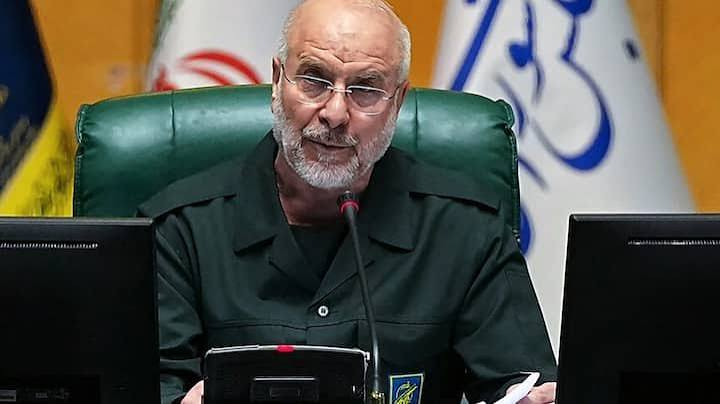
Iranian Parliament Speaker Mohammad Bagher Ghalibaf, who has served as the country’s chief negotiator in efforts to end the conflict, said the period of measured retaliation was over and that any aggression against Iranian security would be met faster and harder than before. His remarks, carried on state media, reflect a broader shift in Tehran’s posture since a ceasefire reached earlier in the year collapsed after attacks on commercial shipping in the Strait of Hormuz, a waterway through which a fifth of global oil supplies once passed.
The latest escalation began when the Islamic Revolutionary Guard Corps (IRGC) fired at two American naval vessels, an aircraft carrier and a destroyer. American forces said the attack failed and that both ships evaded damage, while Iranian officials maintained the vessels were forced to retreat after sustaining losses.
In response, United States Central Command (CENTCOM) said it disabled two tankers connected to the IRGC and destroyed a third, releasing footage that showed the vessels engulfed in flames. Iran answered with strikes on additional tankers and vessels in the Strait of Hormuz and the Gulf of Oman, and cautioned ships against using shipping routes it has not authorised.
Beyond the naval confrontation, Iran signaled plans to tighten control over Gulf waters, with the Supreme National Security Council indicating that a restricted zone would soon be declared outside the Strait of Hormuz, covering additional Gulf areas.
Officials said any vessel entering the zone without approval would face sanctions, extending Tehran’s leverage over a route critical to world energy markets even as a parallel American blockade continues to squeeze its oil exports.
The economic dimension of the standoff has become as central as the military one. Iran’s Economy Ministry has established an Economic War Headquarters to manage the fallout of sanctions and blockade measures, and officials have pointed to currency instability, inflation and unemployment as pressures the government must address alongside the fighting. Despite the strain, Iranian authorities have rejected the premise that economic pressure will alter the country’s course, framing the response to sanctions as a matter of domestic policy rather than external dictation.
Also Read: EU Divided Over Palestine as Ireland Demands Economic Sanctions on Israel
Washington, meanwhile, has sought to characterise the conflict as limited in scope even as it enters its seventh month and edges closer to American midterm elections. Officials have pointed to a sustained blockade effort, citing the redirection, disabling and boarding of commercial vessels attempting to breach it, alongside continued strikes on Iranian oil infrastructure including Kharg Island, which Iranian officials say has been struck hundreds of times without halting operations.
With diplomatic efforts stalled and both sides signalling readiness for further confrontation, the Strait of Hormuz remains the flashpoint most likely to determine whether the conflict escalates further or settles into prolonged attrition.
Mohammad Bagher Ghalibaf said, “Any aggression against Iran’s interests and security will receive a faster, more intense and more painful response.”

Managing Editor at Global News Pakistan (GNP), with a Bachelor's degree in International Relations from Riphah International University, graduated with a Gold Medal. Reach out at sabahtareengnp@gmail.com