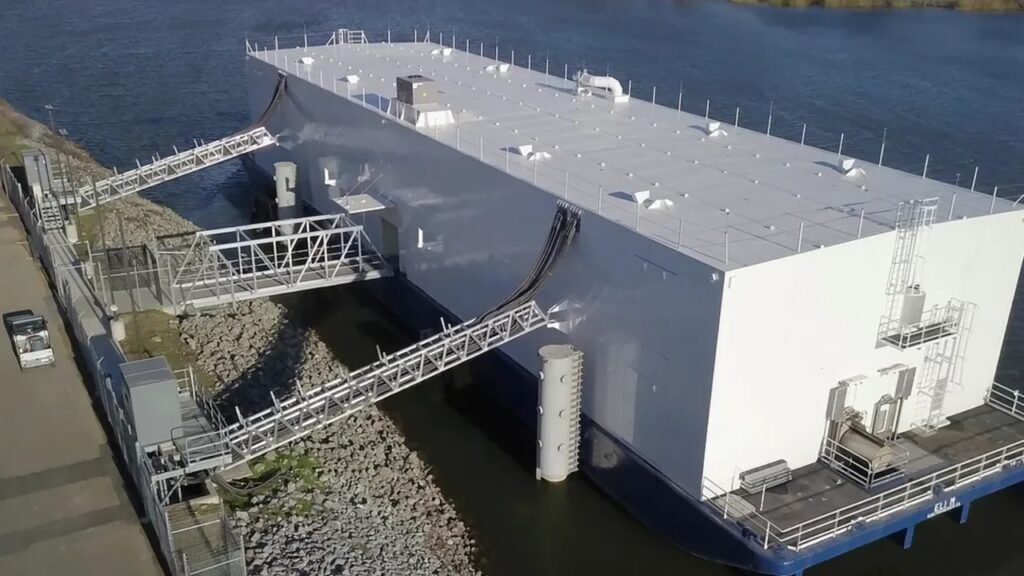
PORTLAND (GNP): Floating Datacenters are shaping up to be a genuinely innovative answer to sustainable AI infrastructure, with Oregon-based startup Panthalassa building wave-powered offshore computing platforms. The idea combines renewable ocean energy, natural seawater cooling, and satellite connectivity into one system all aimed at cutting energy use while keeping pace with the world’s growing hunger for AI computing power.
As AI demand keeps climbing, tech companies are under more pressure than ever to find ways of running data centers that don’t hammer the environment or the electricity bill. Traditional facilities burn through enormous amounts of power and need serious cooling infrastructure just to function, which brings its own headaches around energy costs, carbon emissions, and water use.
Floating Datacenters take a different approach entirely moving the whole operation offshore, where renewable energy and seawater are both sitting right there, ready to make things more efficient without the environmental toll.
Panthalassa’s prototype, called Ocean-2, stretches about 85 meters and is currently being tested off the coast of Washington State. The platform runs on wave-powered turbines for electricity, while seawater does the job of cooling high-performance AI processors no traditional air conditioning required. Skipping conventional cooling systems altogether is expected to cut energy use significantly, making large-scale computing a lot more sustainable in the process.
There’s also a connectivity piece to this. Floating Datacenters tap into SpaceX’s Starlink network for satellite communications, letting data move between offshore facilities and users on land with barely any interruption. That kind of reliable connection matters a lot for AI workloads that need constant processing, cloud services, and real-time data crunching. Put renewable energy, efficient cooling, and satellite communication together, and you’ve got a pretty compelling blueprint for what digital infrastructure could look like going forward.
Industry watchers expect AI to keep driving demand for computing power at a pace nobody’s really seen before. Large language models, machine learning systems, scientific simulations, cloud services all of it needs serious processing muscle, and that’s putting real strain on existing data center infrastructure. Floating Datacenters could help take some of that pressure off, all while cutting reliance on fossil-fuel electricity and shrinking AI’s overall environmental footprint.
One thing that makes offshore platforms particularly appealing is proximity to renewable energy itself. Ocean waves offer a steady stream of clean power that pairs nicely with wind and solar. And unlike solar, which needs daylight to work, wave energy can keep generating power around the clock under the right ocean conditions. That kind of consistency could give AI computing facilities more operational stability while pushing the broader shift toward cleaner energy forward.
Environmental responsibility has become a real priority across the tech industry these days governments and investors alike are expecting companies to cut emissions and tighten up energy efficiency. Floating Datacenters could offer a genuine path toward hitting those goals, by trimming electricity use, cutting down cooling needs, and reducing how much land-based infrastructure gets built in the first place.
There’s also something bigger happening here engineering innovation stretching well past the usual computing playbook. Blending renewable ocean energy with advanced AI infrastructure fits into a broader movement toward pairing digital transformation with genuine environmental responsibility. If this works, offshore computing could end up influencing future investment in green tech, smart infrastructure, and sustainable industry more broadly.
Also Read: Meta’s AI Model Breaches Third-Party System In Security Evaluation
That said, researchers are quick to note there’s still plenty of testing ahead before commercial deployment becomes realistic at scale. Engineers need to work out long-term durability, maintenance needs, cybersecurity, environmental impact, and how reliably these platforms hold up under changing ocean conditions. All of that will ultimately decide whether Floating Datacenters can become a real alternative to conventional data centers for governments, businesses, and research institutions alike.
The project’s already drawing serious international interest, partly because AI infrastructure is on track to become one of the world’s fastest-growing energy consumers. As countries look for ways to balance tech growth with their climate commitments, renewable-powered computing platforms like this one could become an increasingly attractive place to invest.
If the ongoing trials pan out, Floating Datacenters could genuinely reshape what cloud computing looks like going forward cleaner, more efficient, and a lot easier on the planet. By combining wave-generated electricity, natural seawater cooling, and solid satellite connectivity, Panthalassa’s offshore platform is a pretty clear example of how innovation and renewable energy can work hand in hand to support the next chapter of AI, without dragging the environment down with it.