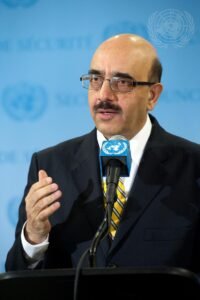
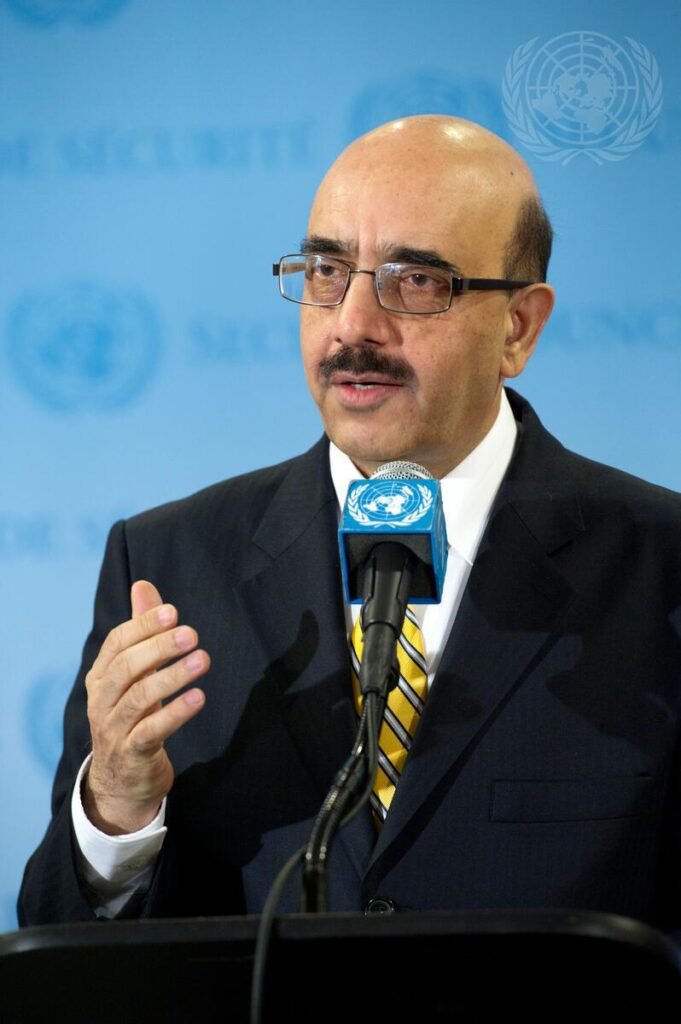
ISLAMABAD (GNP) :- Sardar Masood Khan, former Ambassador of Pakistan to the United States, China and the United Nations, has stated that while the continuation of the ceasefire between Iran and the United States has brought temporary relief, global stability remains fragile due to unresolved strategic and economic pressures.
He noted that the world has not yet returned to normalcy, primarily because of tensions surrounding the Strait of Hormuz and the continued naval blockade. “Until these critical issues are resolved, the global energy market and supply chains will remain under stress, and uncertainty will persist,” he said.
Ambassador Khan observed that the current diplomatic approach—marked by indirect engagement, back-channel communications, and third-party facilitation—is both pragmatic and effective under the prevailing circumstances. He highlighted that Iran’s Foreign Minister Abbas Araghchi has actively engaged regional and international stakeholders, including visits to Pakistan and consultations with countries such as Oman, Turkey, Egypt, and Saudi Arabia, reflecting a coordinated effort to build momentum towards a negotiated settlement.
He further noted that these engagements indicate a gradual shift from seeking a comprehensive agreement to developing a broader diplomatic framework that addresses immediate concerns, including maritime security, nuclear issues, and economic sanctions. “This phased approach may prove more viable given the complexity of the conflict and the deep mistrust between the parties,” he added.
Commenting on the strategic dimension, Ambassador Khan remarked that Iran has demonstrated significant resilience, maintaining its bargaining position despite sustained military and economic pressure. He described this as a defining feature of the current crisis, noting that it has altered traditional power dynamics and compelled all parties to reconsider their negotiating strategies.
He also emphasized Pakistan’s evolving and constructive role in facilitating dialogue. “Pakistan has introduced a new model of diplomacy, stepping in where traditional mediators were constrained, and working persistently to bridge gaps between the two sides,” he said, adding that Islamabad continues to engage both Tehran and Washington to reduce tensions and pave the way for structured negotiations.
Ambassador Khan concluded by expressing cautious optimism that ongoing diplomatic efforts, if sustained, could lead to a durable framework for peace. However, he stressed that meaningful progress depends on confidence-building measures, including easing of blockades and restoration of freedom of navigation, which are essential for stabilizing both the region and the global economy.