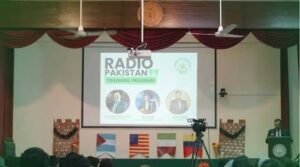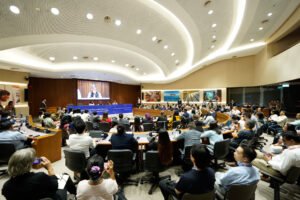
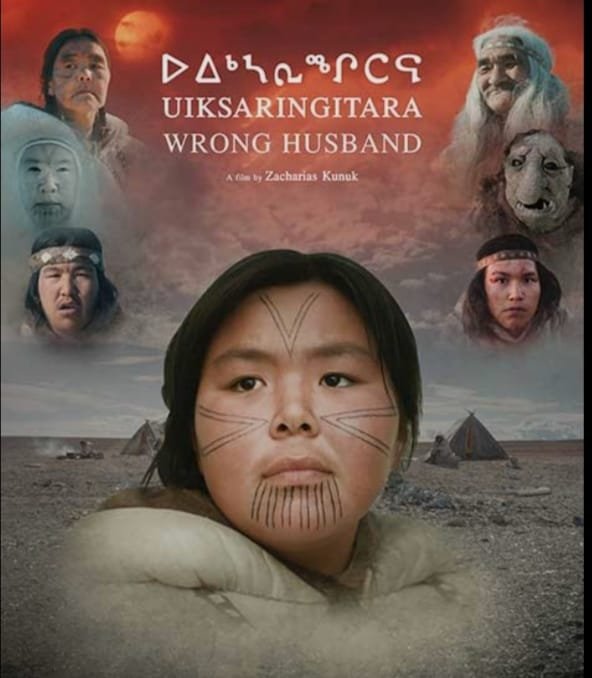
Islamabad (GNP): On Canadian Film Day, the Canadian High Commission in Islamabad hosted a special screening of the acclaimed film Wrong Husband (Uiksaringitara) at the Pakistan National Council of the Arts.
The film screening bringing together diplomats, filmmakers, students, environmental advocates and members of the media to celebrate cultural diplomacy, Indigenous storytelling and climate awareness.
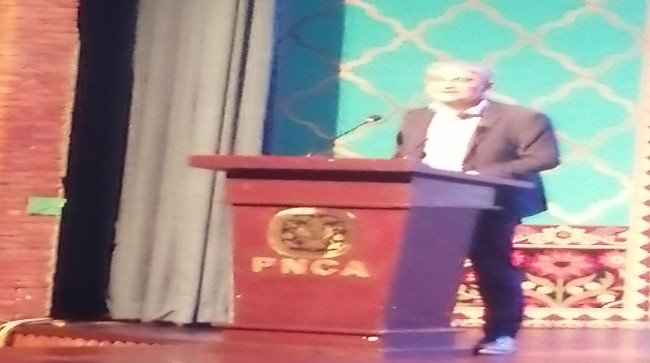
Tariq Ali, High Commissioner of Canada* to Pakistan, said welcomed guests to celebrate Canadian film and culture in Islamabad, while acknowledging Romina Khurshid Alam, Parliamentary Secretary Farah Naz, National Film Board Chairperson Raisa Adel, diplomats, filmmakers, and members of the media.
He noted that the film’s theme closely connects with climate change and the Canadian Arctic, where the story is set nearly 4,000 years ago. The film explores timeless themes of love and human emotion, similar to classic tales such as Heer Ranjha, Laila Majnu, and Soni Mahiwal.
The High Commissioner explained that the story is presented entirely in the indigenous Inuit language and reflects the traditions of the Inuit people, an important indigenous community living across Alaska, Canada, and Greenland for more than 10,000 years. He clarified that the term “Eskimo” is outdated and derogatory, and the respectful term used today is Inuit.
Describing life in the Arctic, he said the Inuit survive in one of the harshest climates on Earth through hunting and fishing, adapting to extreme seasonal changes where summers bring nearly 22 hours of daylight while winters see very little sunlight. He highlighted the resilience and patience required to live in such conditions.
He also emphasized the importance of oral storytelling traditions in Inuit culture, where stories and legends are passed down through generations in igloos, camps, and fishing communities. Referring to award-winning filmmaker Zacharias Kunuk, he encouraged the audience to experience the film patiently and absorb the slower pace and deeper storytelling style that reflects life in the Arctic.
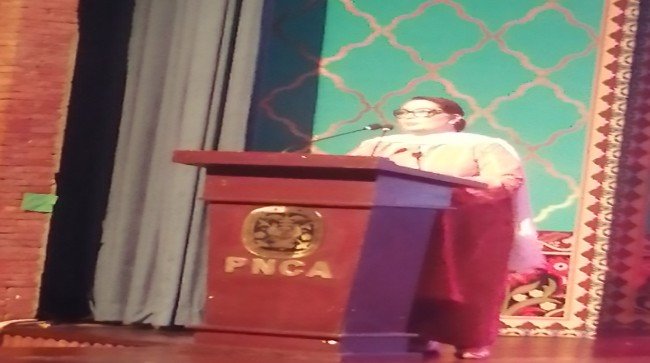
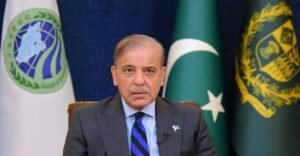
Special Assistant to the Prime Minister on Climate Change Romina Khurshid Alam* warmly welcomed the Canadian High Commissioner, distinguished guests, filmmakers, storytellers, and youth participants, emphasizing the importance of storytelling in connecting people and sharing experiences of hope, struggle, and resilience.
She highlighted that nature, like humanity, has its own story, from glaciers to forests, and stressed the need to protect the Earth through collective responsibility and individual action against climate change.
Also Read: First Lady Inaugurates Begum Nusrat Bhutto Library
Addressing the young participants, she said the youth are not just the future but the present, capable of driving meaningful change through their actions, creativity, and voices as filmmakers, narrators, and storytellers.
Referring to indigenous communities living in the Arctic and Pakistan’s mountainous regions, she noted that local people understand nature better than anyone else and can guide the world in tackling environmental challenges. Their lifestyles and experiences offer valuable lessons on living in harmony with nature despite difficult conditions.
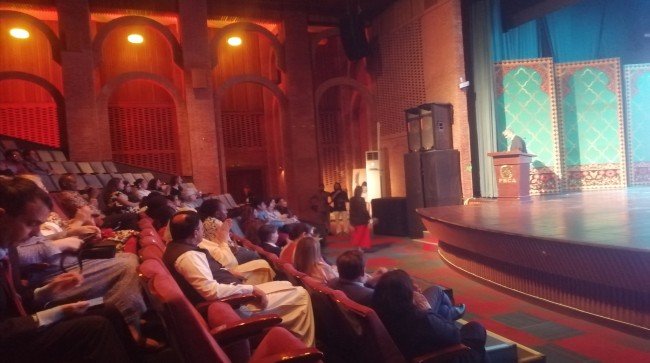
The event highlighted the growing role of film as a bridge between cultures while drawing attention to Indigenous heritage, environmental sustainability and the global impact of climate change.

Sohail Majeed is a Special Correspondent at The Diplomatic Insight. He has twelve plus years of experience in journalism & reporting. He covers International Affairs, Diplomacy, UN, Sports, Climate Change, Economy, Technology, and Health.