Lahore (GNP): Federal Minister for Energy (Power Division) Sardar Awais Ahmed Khan Leghari said Battery Energy Storage Systems (BESS) will play a central role in Pakistan’s energy transition, helping stabilize the grid, integrate more renewable energy, and support the wider rollout of electric vehicles.
Speaking at a BESS conference organized by the Pakistan Solar Association in Lahore, Leghari said battery storage has become essential to modern power systems as Pakistan’s electricity sector undergoes major changes driven by the rapid growth of rooftop and distributed solar generation.
He noted that increased use of rooftop solar has shifted electricity demand patterns, lowering daytime consumption while increasing demand in the evening. This shift, he explained, creates operational challenges for the national grid, since surplus solar power generated during the day must somehow be balanced against rising demand after sunset.
Battery Storage as a Grid Solution
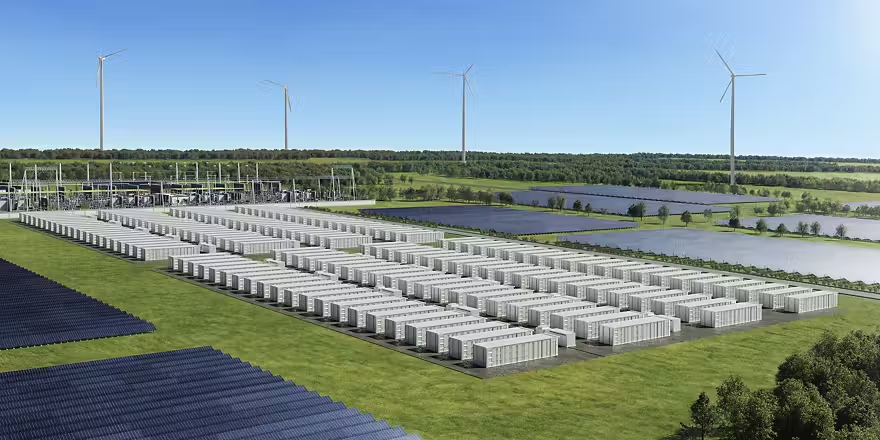
Leghari said BESS technology addresses this challenge by storing excess solar energy generated during the day and releasing it back into the grid during peak evening demand — improving grid flexibility, reducing dependence on costly peaking power plants, and supporting greater renewable energy integration.
He said the government has designated battery storage a strategic priority and formed a Federal Steering Committee on BESS to develop a coordinated national policy and speed up regulatory and implementation work.
The minister added that battery storage holds particular promise for strengthening isolated power grids in Gilgit-Baltistan, improving electricity reliability in Gwadar, supporting renewable energy adoption in remote regions, and reinforcing the resilience of the broader national transmission network.
Standards and Quality Control
Leghari stressed that battery storage systems are complex technologies requiring strict adherence to international standards, emphasizing that quality, certification, and standardization must remain central to Pakistan’s approach — with only certified, internationally compliant battery systems permitted for import, manufacturing, or assembly in the country.
He said the Ministry of Energy has directed relevant stakeholders to adopt International Electrotechnical Commission (IEC) standards and use only IEC-certified battery modules to ensure both consumer safety and system reliability.
Push for Local Manufacturing
The minister said the government is also working to promote domestic battery manufacturing through a dedicated policy being developed by the Ministry of Industries and Production. He said the policy is designed to attract both local and foreign investment, facilitate technology transfer, strengthen domestic supply chains, and generate skilled employment — with the broader goal of positioning Pakistan as a regional hub for battery manufacturing and innovation.
EVs and an Integrated Energy Future
Leghari noted that the growing adoption of electric vehicles would place additional strain on Pakistan’s electricity distribution network unless supported by adequate battery storage infrastructure. He described the government’s vision of an integrated energy ecosystem in which rooftop solar, battery storage, smart grids, and electric vehicles work together to improve efficiency, ease pressure on the grid, and make the most of renewable energy resources.
He said Pakistan’s energy sector is entering a defining phase shaped by renewable energy, digitalization, distributed generation, battery storage, and electric mobility, and called for close collaboration among policymakers, regulators, utilities, manufacturers, investors, academics, and development partners.
Leghari reaffirmed the government’s commitment to fostering a policy and regulatory environment that supports innovation and investment, expressing confidence that with the right policies and strong public-private partnerships, Pakistan can become not just a major adopter of battery storage technology, but also a regional center for its manufacturing and development.

Sohail Majeed is a Special Correspondent at The Diplomatic Insight. He has twelve plus years of experience in journalism & reporting. He covers International Affairs, Diplomacy, UN, Sports, Climate Change, Economy, Technology, and Health.