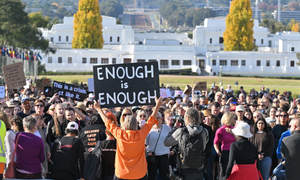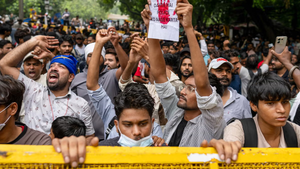
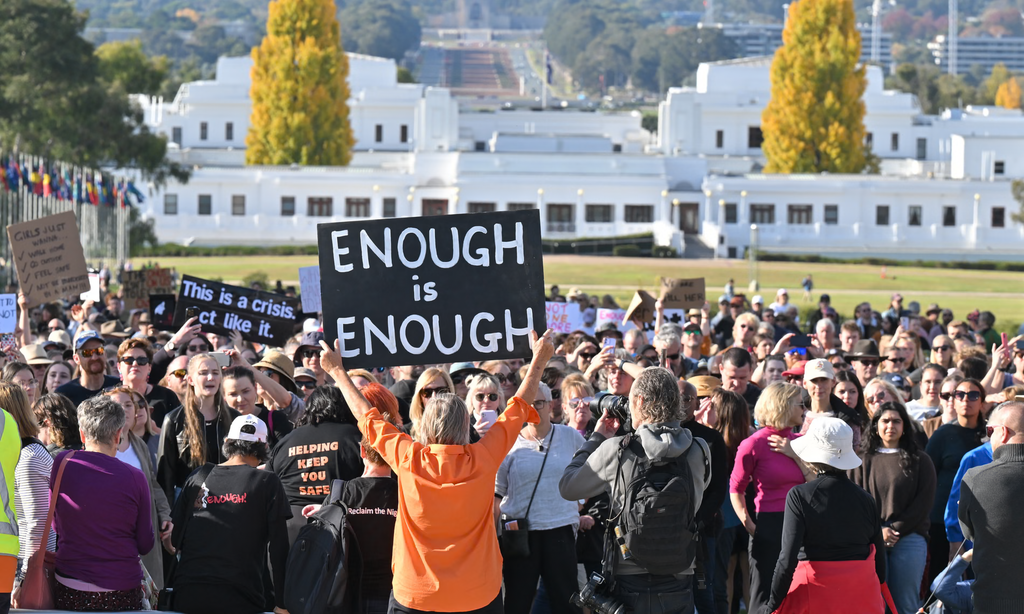
Geneva (GNP): The World Health Organization (WHO) is urging governments to turn political commitments into sustainable financing for preventing violence against women and girls. The call also covers safe, survivor-centered services that women and girls can trust, backed by investment in evidence-based prevention and response.
The message coincides with the International Day for the Elimination of Violence Against Women, observed on 25 November. Its origins go back to 1960, when the Mirabal sisters were assassinated in the Dominican Republic for standing up to the dictatorship of that time.
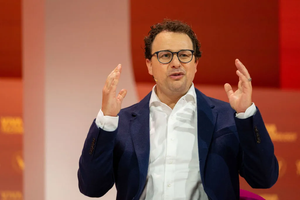
That history now has a link to global health leadership. Dr. Victor Atallah, the Dominican Republic’s Minister of Health, currently serves as President of the World Health Assembly, and WHO published a call to action from him on 16 November 2026.
Political will is only one part of the response. The World Health Assembly Resolution and the Global Plan of Action call for stronger, more responsive health systems and sustained global action. Their aim is to prevent violence against women and girls and to make sure survivors receive timely, comprehensive and high-quality care and support.
Also Read: Pak-China Friendship Hospital Expands Local Healthcare Access in Gwadar
Health workers are central to delivering that care, which is why WHO also offers practical training. Its free e-learning programme, “Health sector response to violence against women,” is designed for front-line health-care providers and health managers, including facility administrators and policy-makers.
The programme is funded and managed by WHO, which ties the training to the same goal as the funding appeal. Skilled providers and well-run facilities depend on sustained investment to deliver care that survivors can rely on.
Taken together, the commemoration, the global plan and the training course send one message. Commitments made on paper must be matched by financing and services that reach women and girls in practice.