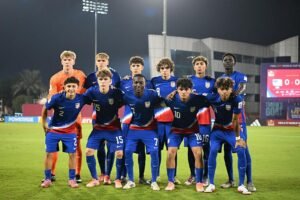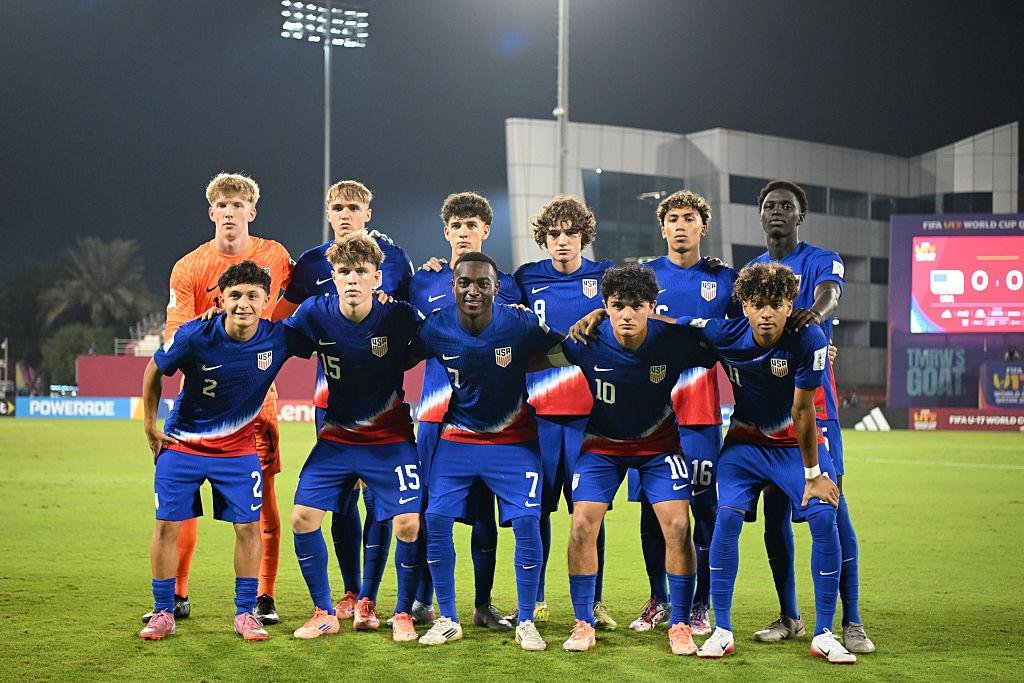
Doha (GNP): The United States has withdrawn its men’s Under-17 national football team from the 2026 FIFA U-17 World Cup in Qatar because of growing security concerns in the Middle East. The decision was communicated to players and staff on Wednesday, November 11, just over a week before the international tournament is scheduled to begin.
According to reports, US Soccer informed the players through an official letter explaining that the federation could no longer proceed with its participation because of the current security situation. The announcement has created uncertainty surrounding the competition, which is expected to feature 48 national teams.
The tournament is scheduled to take place in Qatar from November 19 to December 13, 2026. The United States had already selected its squad and completed preparations before deciding to withdraw.
Why Did the United States Withdraw?
The main reason behind the withdrawal is the security situation in the Middle East, particularly concerns related to the ongoing conflict involving the United States and Iran.
US Soccer reportedly considered the US State Department’s Level 3 travel advisory for Qatar, which advises American citizens to reconsider travel because of the risk of armed conflict.
The federation also referred to security-related instructions affecting US embassy personnel and their families. After assessing the circumstances, officials decided that sending young players and coaching staff to Qatar was not appropriate under the current conditions.
In its communication to the team, US Soccer emphasised that the safety and well-being of players and staff remained its highest priority.
The decision highlights how international political and security developments can directly affect major sporting competitions, even when teams have already qualified and completed their preparations.
US Team Had Already Prepared for the Tournament
The withdrawal is particularly significant because the United States had already announced its 21-player squad for the competition.
ALSO READ: Experts Urge Local Innovation as 18 Exhibitors Showcase Space Technologies
Head coach Alex Aldaz selected a group of young footballers, including players from Major League Soccer clubs and European football academies.
The team had been placed in Group J alongside Montenegro, Chile and Algeria. The United States was originally scheduled to play its opening match against Montenegro on November 21, followed by matches against Chile and Algeria.
One of the players expected to attract attention was Malik Jakupović, a promising Philadelphia Union striker who had contributed significantly during the qualifying campaign.
With the withdrawal, the selected players will no longer have the opportunity to represent their country at this year’s tournament.
What Happens to FIFA and Group J?
The United States’ decision creates an organisational challenge for FIFA, particularly regarding the tournament’s group-stage arrangements.
Montenegro, Chile and Algeria were all preparing to face the American team in Group J. Its withdrawal raises questions about whether FIFA will appoint another country as a replacement or introduce changes to the competition schedule.
As of November 12, FIFA had not publicly announced a replacement team or confirmed changes to the group arrangements.
The situation also raises questions about possible administrative consequences. FIFA regulations include financial penalties for certain late withdrawals, although no specific punishment against US Soccer had been announced at the time of reporting.
Qatar’s U-17 World Cup Faces Wider Security Concerns
The withdrawal comes amid wider concerns about the impact of the Middle East conflict on international sporting events.
Several competitions and sporting activities in the region have experienced cancellations, postponements or changes to their original arrangements because of security developments.
Qatar is scheduled to host the U-17 World Cup for five consecutive editions, from 2025 through 2029. The country has invested heavily in football infrastructure and previously hosted the 2022 FIFA World Cup.
The 2026 competition will use the expanded 48-team format, making it an important event for young footballers seeking international experience.
What Comes Next?
The United States’ withdrawal has placed additional pressure on FIFA to clarify the arrangements for the upcoming tournament. Organisers must address the situation involving Group J while providing participating teams with certainty about their fixtures.
For American players, the decision means missing an important opportunity to compete on the international stage. For FIFA, it presents another challenge in organising a major competition during a period of regional instability.
As November 19 approaches, attention will remain on FIFA’s response and whether any changes will be made to the tournament’s participation arrangements.
The development demonstrates that sporting events are not isolated from international affairs, as security concerns can influence even the most carefully planned competitions.

I am Areesha, a 3rd-year International Relations student with a strong academic focus on Foreign Policy, International Law, History of International Relations, Non-State Actors, and Diplomacy & Statecraft. With a diverse internship background including HESCO, ISPR, and a current Research and Media Newsletter internship focused on Climate and Economy, I bring a unique blend of analytical thinking, research skills, and media understanding. I am passionate about translating complex global affairs into engaging, reader-friendly, and SEO-optimized content. My academic training in IR has equipped me with excellent research, critical analysis, and structured writing skills, which I now aim to apply in the field of SEO writing and digital content creation. Seeking an opportunity as an SEO Writer Intern where I can contribute with well-researched, impactful, and search-optimized content.