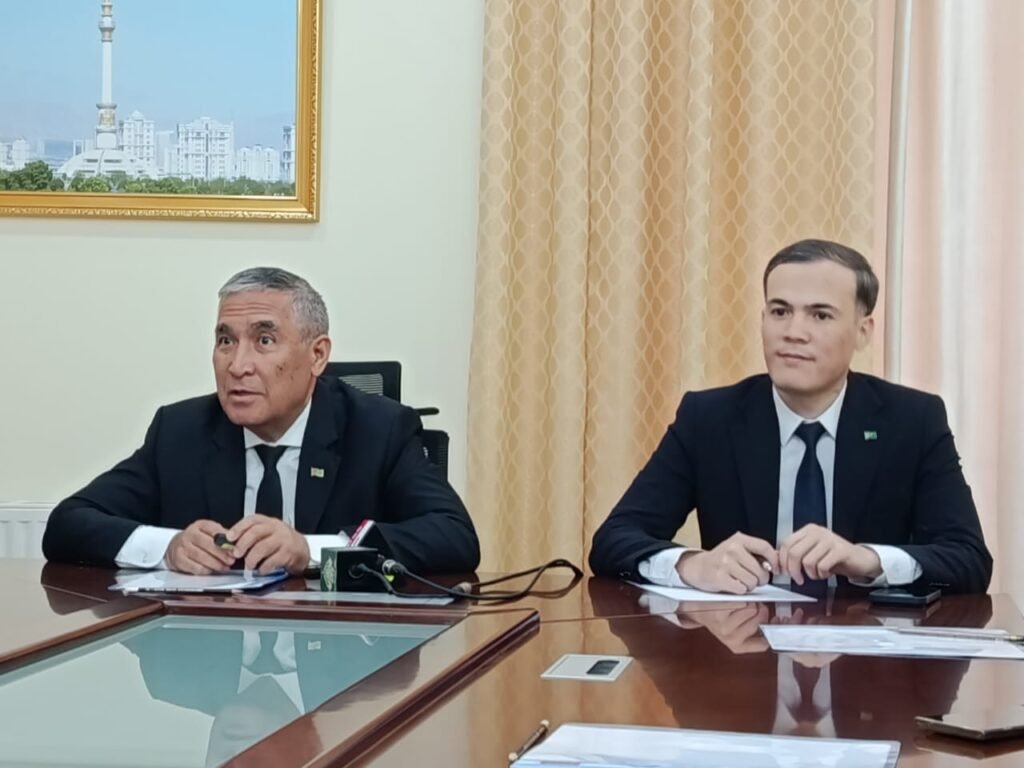
Islamabad (GNP): Ambassador of Turkmenistan to Pakistan and Dean of the Diplomatic Corps in Islamabad, Atadjan Movlamov, has described 2026 as a landmark year for Turkmenistan, marking the 35th anniversary of its independence with significant achievements in national development, international diplomacy, economic cooperation and regional connectivity.
Celebrated under the national theme, “Independent, Permanently Neutral Turkmenistan – Homeland of Purposeful Heavenly Horses,” the year highlights the country’s national identity, rich cultural heritage, development achievements and commitment to its internationally recognised policy of permanent neutrality.
Throughout 2026, Turkmenistan has strengthened its international engagement through high-level diplomatic meetings, investment forums, cultural activities and regional initiatives. These engagements have brought together world leaders, diplomats, investors and business representatives to promote peace, stability and shared prosperity.
Among the major national events was the first World Championship of Equestrian Sports and Beauty among Ahal-Teke Horses, held in the Netherlands from September 4 to 6, showcasing Turkmenistan’s internationally renowned equestrian heritage.
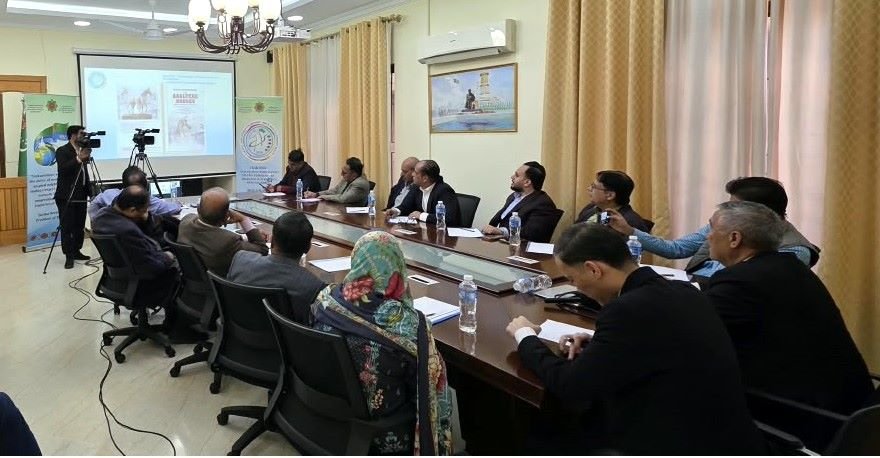
On September 23, the Halk Maslahaty (People’s Council) convened in Ashgabat under the chairmanship of National Leader Gurbanguly Berdimuhamedov. The meeting highlighted national achievements and approved important strategic documents concerning industrial development, international law, permanent neutrality and youth policy.
Turkmenistan celebrated its 35th Independence Day on September 27 with grand ceremonies, a military parade, cultural performances and fireworks in Ashgabat, reflecting the country’s history, national traditions and development journey.
Economic cooperation and investment promotion remained key priorities. The Turkmenistan Investment Forum 2026, held on October 1–2 in Ashgabat, attracted more than 800 participants representing over 200 companies from more than 40 countries, including Pakistan. The forum provided opportunities to strengthen business partnerships and explore investment prospects across various sectors.
October also witnessed several important international gatherings in Avaza, including meetings of the Commonwealth of Independent States (CIS), a high-level conference on Central Asian water resources, the International Women’s Dialogue and discussions on demographic processes and sustainable development.
The Eighth Consultative Meeting of the Heads of State of Central Asian Countries and Azerbaijan, held on October 8, further strengthened regional cooperation, with Azerbaijan participating for the first time as a full member of the format. On October 9, Avaza hosted the CIS Council of Heads of State and the First Caspian Environmental Summit, focusing on political, economic, transport and environmental cooperation.
Turkmenistan also continued to promote its energy and industrial sectors through major international events. The 31st International Conference and Exhibition, Oil and Gas of Turkmenistan 2026, held from October 21–23, brought together more than 1,500 delegates from 75 countries. Discussions focused on the Galkynysh gas field, energy export diversification, the TAPI pipeline and international cooperation in the oil and gas sector.
Similarly, the Construction, Industry and Energy of Turkmenistan (CIET 2026) exhibition, held from November 3–5 in Ashgabat, highlighted investment opportunities in construction, industrial modernization, energy, infrastructure and digital technologies.
Relations between Turkmenistan and Pakistan continue to offer significant opportunities, particularly in energy, trade, transport and regional infrastructure. The proposed Turkmenistan–Afghanistan–Pakistan–India (TAPI) gas pipeline remains a central project aimed at connecting Turkmenistan’s energy resources with South Asian markets.
The project is expected to help Pakistan diversify its energy supplies, strengthen energy security, support industrial development and promote economic cooperation among participating countries.
Alongside TAPI, the Turkmenistan–Afghanistan–Pakistan (TAP) electricity transmission project and planned fibre-optic connectivity are important components of the broader regional infrastructure vision. These initiatives aim to improve electricity supplies, telecommunications and economic links between Central and South Asia.
Turkmenistan has also advanced infrastructure cooperation with Afghanistan, including the TAPI gas pipeline, railway development and electricity transmission. High-level talks in August 2026 between Gurbanguly Berdimuhamedov and Afghanistan’s Deputy Prime Minister for Economic Affairs, Abdul Ghani Baradar, focused on accelerating joint energy and transport projects. The discussions also covered the Lapis Lazuli and other regional transport corridors.
The two countries’ cooperation is expected to contribute to regional trade, infrastructure development and stronger economic connections.
Turkmenistan’s 35th Independence anniversary reflects its continued focus on economic modernization, international partnerships, permanent neutrality and regional cooperation. Its major diplomatic and economic initiatives demonstrate an ongoing commitment to promoting peace, stability and sustainable development.
For Pakistan, stronger engagement with Turkmenistan offers opportunities to access Central Asian markets, diversify energy resources, attract investment and improve regional connectivity. Projects such as TAPI, TAP, railway links and fibre-optic networks could create new avenues for trade and economic integration.
Also read: Pak, Tajikistan Joint Exercise Dosti-III concluded in Cherat
As Turkmenistan celebrates 35 years of independence, its growing engagement with regional and international partners provides a foundation for stronger Pakistan–Turkmenistan relations and a more connected, prosperous Central and South Asia.

Sohail Majeed is a Special Correspondent at The Diplomatic Insight. He has twelve plus years of experience in journalism & reporting. He covers International Affairs, Diplomacy, UN, Sports, Climate Change, Economy, Technology, and Health.