
In a world where people are more connected than ever, an unexpected problem is quietly growing: loneliness. Social media allows us to communicate across continents, messaging apps keep conversations just one click away, and technology has made staying in touch easier than ever. Yet, many people still feel isolated, misunderstood, and emotionally disconnected. This raises an important question: if we are constantly connected, why do so many of us feel alone?
Loneliness is increasingly being described as a silent pandemic because it often remains hidden. Unlike physical illnesses, it does not always show visible symptoms. A person can laugh with friends, attend social gatherings, go to university, or remain active online while privately struggling with a deep sense of isolation. It is not simply about being physically alone; it is about feeling that meaningful connections are missing from one’s life.
A Generation Surrounded by People Yet Feeling Alone
Young people today are growing up in a world full of communication and digital interaction. They can follow hundreds of people, join online communities, and exchange messages throughout the day. However, having a large number of online connections does not necessarily mean having strong emotional relationships.
Many conversations have become shorter, quicker, and more superficial. People may exchange likes, comments, and emojis without having meaningful discussions about their feelings or personal struggles. As a result, some individuals have plenty of online interactions but very few people they feel comfortable opening up to.
This emotional gap can make loneliness even more confusing. A person may look socially active from the outside while feeling completely disconnected on the inside.

The Social Media Paradox
Social media was designed to bring people closer, but it can sometimes create the opposite effect. Platforms filled with carefully selected photographs, achievements, holidays, relationships, and celebrations can make ordinary lives appear less exciting.
When people constantly compare their daily experiences with the polished images they see online, they may begin to feel that everyone else is happier, more successful, and more socially accepted. This comparison can damage self-confidence and create a fear of missing out.
Another concern is that online interaction can sometimes replace face-to-face communication. While digital conversations are useful, they cannot always provide the comfort of someone’s presence, tone of voice, or genuine attention. Technology is not necessarily the enemy, but depending on it as a replacement for deeper relationships can increase emotional distance.
Why Is Loneliness Becoming More Common?
There is no single reason behind loneliness. It can develop through a combination of personal, social, and environmental factors.
1. Changing lifestyles: Busy schedules, academic pressure, demanding jobs, and family responsibilities can leave people with little time to maintain relationships.
2. Fear of rejection: Some people avoid expressing their emotions because they fear being judged, misunderstood, or rejected. They may choose silence even when they desperately need support.
3. Moving away from familiar surroundings: Changing schools, starting university, moving to another city, or beginning a new job can separate people from their existing support systems.
4. Lack of meaningful communication: Regular conversations do not always create emotional closeness. Without trust, understanding, and genuine interest, relationships can remain superficial.
5. Mental and emotional struggles: Anxiety, low self-esteem, grief, and stressful life experiences can make it difficult to connect with others. Loneliness can also contribute to emotional distress, creating a difficult cycle.
The Impact on Mental and Physical Health
Loneliness is more than an unpleasant feeling. When it becomes persistent, it can affect a person’s emotional and physical well-being. People experiencing prolonged loneliness may struggle with sadness, anxiety, low self-esteem, sleep difficulties, and a lack of motivation.
ALSO READ: Namangan Invites Pakistani Tourists to Pilgrimage Heritage Routes
It can also affect concentration and everyday activities. Students may find it harder to focus on their studies, while adults may experience difficulties at work or in personal relationships. Some people gradually withdraw from social situations, making it even harder to build new connections.
Research has also linked social isolation and loneliness with increased risks to physical health, including cardiovascular problems. This is why loneliness should not be dismissed as attention-seeking or simply a phase that everyone must overcome alone.
The Difference Between Being Alone and Feeling Lonely
Being alone and feeling lonely are not the same thing. Spending time alone can be healthy. It allows people to reflect, relax, develop independence, and enjoy their own company.
Loneliness, however, is the painful feeling of lacking the connection one needs. Someone can have a small social circle and feel completely fulfilled, while another person surrounded by friends may still experience isolation.
The real issue is not the number of people in someone’s life; it is the quality of the relationships they share.
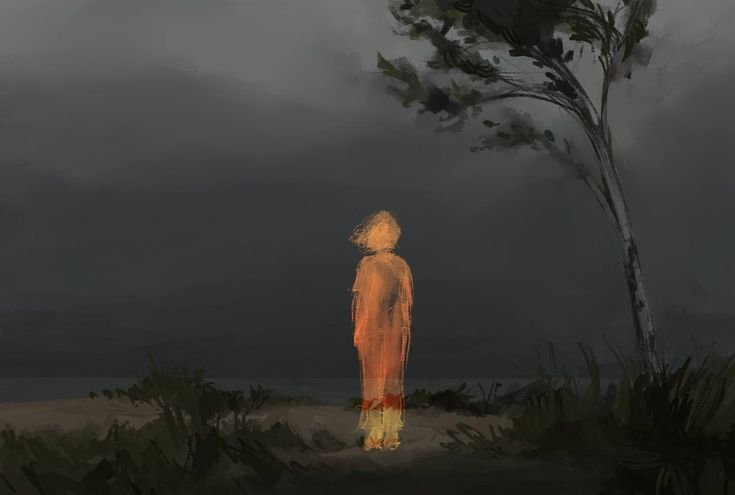
How Can We Fight This Silent Pandemic?
Addressing loneliness does not always require dramatic changes. Sometimes, small and consistent actions can help rebuild meaningful connections.
- Prioritise real conversations: Make time to speak with friends and family without distractions.
- Spend time together: Meet people in person, share meals, take walks, or participate in activities.
- Join communities: Clubs, volunteering programmes, sports groups, and creative activities can help people meet others with similar interests.
- Limit unhealthy comparisons: Remember that social media usually presents selected moments, not the complete reality of someone’s life.
- Reach out first: A simple message or phone call can be the beginning of a meaningful connection.
- Seek support when needed: If loneliness becomes overwhelming or affects daily life, speaking with a mental health professional can be helpful.
Fighting loneliness is not only an individual’s responsibility. Families, educational institutions, workplaces, and communities can also create welcoming environments where people feel heard, included, and valued.
We Need Connection, Not Just Communication
The modern world has given us countless ways to communicate, but communication alone cannot replace genuine human connection. Behind many smiling photographs and active social media profiles, people may be silently struggling with feelings they cannot easily express.
Loneliness should not be treated as a personal failure or something to be ashamed of. It is a human experience that deserves understanding, attention, and support. We need to create a culture where checking on someone is normal, expressing emotions is accepted, and asking for help is not considered weakness.
Perhaps the solution is not to become more connected online, but to become more present in one another’s lives. After all, being surrounded by people is not the same as feeling that you belong.
What Does the Research Say?
The scale of the problem is larger than many people realise. According to the World Health Organization’s 2025 report, approximately one in six people worldwide experiences loneliness. Young people are among the most affected groups, with around 17–21% of people aged 13–29 reporting loneliness. The report also highlights links between loneliness, mental health problems, cardiovascular disease, and premature death. [Source: WHO, 2025] World Health Organization+1
These findings show that loneliness is not simply an individual problem. It is a public health and social concern that deserves attention from families, schools, workplaces, and governments.

I am Areesha, a 3rd-year International Relations student with a strong academic focus on Foreign Policy, International Law, History of International Relations, Non-State Actors, and Diplomacy & Statecraft. With a diverse internship background including HESCO, ISPR, and a current Research and Media Newsletter internship focused on Climate and Economy, I bring a unique blend of analytical thinking, research skills, and media understanding. I am passionate about translating complex global affairs into engaging, reader-friendly, and SEO-optimized content. My academic training in IR has equipped me with excellent research, critical analysis, and structured writing skills, which I now aim to apply in the field of SEO writing and digital content creation. Seeking an opportunity as an SEO Writer Intern where I can contribute with well-researched, impactful, and search-optimized content.