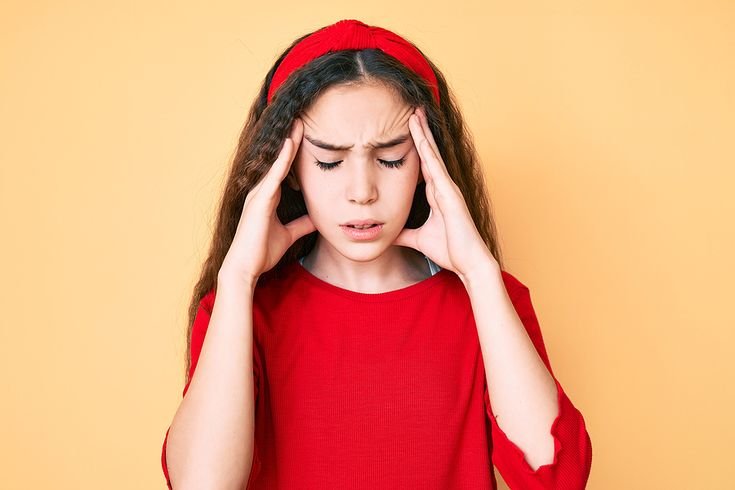
Islamabad (GNP): Migraines are not only a problem for adults. Children and teenagers can also experience migraine attacks that affect their daily lives, schoolwork, sleep, and social activities. Unlike an ordinary headache, a migraine can cause strong head pain along with nausea, vomiting, dizziness, and sensitivity to light or sound.
Several factors can contribute to childhood migraines. Poor sleep, emotional stress, and daily school routines are among the common triggers. Understanding these factors can help parents recognise patterns and support children in managing their symptoms.
A childhood migraine is a type of headache that can cause moderate to severe pain. The pain may feel like throbbing or pulsing and can affect one or both sides of the head. Some children also experience stomach pain, nausea, vomiting, or dizziness.
Children may become sensitive to bright lights, loud sounds, and strong smells during an attack. Some may also see flashing lights or unusual patterns before the headache begins. These warning signs are known as an aura, although not every child experiences them.
Migraines can begin during childhood and may continue into the teenage years or adulthood. A family history of migraine can also increase a child’s chances of experiencing them.
How Poor Sleep Can Trigger Migraines
Sleep plays an important role in a child’s physical and mental health. When children do not get enough sleep or follow an irregular sleeping schedule, they may become more likely to experience migraine attacks.
Staying awake late at night, using mobile phones before bedtime, waking up very early for school, and changing sleeping times during weekends can disturb the body’s natural routine. Both too little and too much sleep may trigger migraines in some children.
ALSO READ: Trump Holds Off on Iran Strikes as Doha Talks Enter Third Day
Parents can help by setting regular sleeping and waking times. Children should have a calm bedtime routine and avoid screens for about an hour before going to bed. A comfortable and quiet sleeping environment can also support better rest.
Stress and School Pressure
Stress is another important factor linked to childhood migraines. Children may experience stress because of exams, homework, difficult subjects, friendship problems, bullying, or pressure to achieve good grades.
School-related anxiety can affect sleep and increase physical tension. In some children, a migraine may begin during a stressful period or even after the stressful situation has ended.
Parents and teachers should take children’s concerns seriously. Giving them time to talk, encouraging short breaks during study sessions, and teaching simple relaxation techniques such as slow breathing may help them manage stress.
Children should also be encouraged to balance their studies with play, physical activity, and enough rest.
Common School Triggers of Childhood Migraine
The school environment can expose children to several possible migraine triggers. Bright classroom lights, loud noises, long periods of screen use, and busy schedules may contribute to headaches in children who are sensitive to these conditions.
Skipping breakfast or missing lunch can also become a problem. Children who do not eat regularly may experience changes in energy levels that can contribute to migraine attacks. Not drinking enough water during school hours may lead to dehydration, which is another possible trigger.
Long study sessions, exam pressure, and insufficient breaks can make the situation more difficult. Schools can support affected students by allowing access to drinking water, regular snacks, quiet rest areas, and short breaks from screens when needed.
Other Factors That May Cause Migraine Attacks
Sleep, stress, and school routines are not the only possible triggers. Other factors may include:
- Skipping meals: Going too long without eating can trigger headaches in some children.
- Dehydration: Not drinking enough water may increase the risk of a migraine attack.
- Bright lights: Sunlight, fluorescent lighting, and screen glare may affect sensitive children.
- Loud sounds: Noisy classrooms and crowded environments can make symptoms worse.
- Hormonal changes: Some teenagers, especially girls, may notice migraines around their menstrual periods.
- Weather changes: Heat, sudden temperature changes, and other weather conditions may affect some children.
Not every child has the same triggers. A food or activity that affects one child may cause no problem for another. Therefore, parents should avoid removing foods from a child’s diet without a clear reason or medical advice.
How Parents Can Help Prevent Childhood Migraines
Although migraines cannot always be prevented, healthy daily habits may help reduce the number of attacks in some children.
Parents can encourage children to follow a regular sleep schedule, eat meals on time, drink enough water, and take breaks during homework or screen activities. Regular physical activity and relaxing activities can also support general health.
Keeping a headache diary is another useful step. Parents can record when the headache begins, how long it lasts, what the child ate, how much they slept, and whether they experienced stress or unusual activity that day. Over time, this record may help identify possible patterns.
If migraines happen frequently or interfere with school and daily activities, parents should arrange a medical assessment. A healthcare professional can confirm the cause and recommend suitable treatment. Children should not be given migraine medicines or supplements without appropriate medical advice.
When Should Parents Seek Medical Help?
Repeated or severe headaches should not be ignored. Parents should consult a healthcare professional if a child experiences frequent migraines, misses school because of headaches, or has symptoms that are becoming worse.
Sudden, extremely severe headaches or headaches accompanied by weakness, confusion, seizures, fever with a stiff neck, or repeated vomiting require urgent medical attention.
Early assessment can help identify the problem and create a suitable treatment plan. Parents should also communicate with teachers so that children who experience migraines can receive support during school hours.
Childhood migraines can affect a child’s education, mood, sleep, and everyday activities. Poor sleep, stress, exam pressure, missed meals, dehydration, and certain school conditions may contribute to migraine attacks.
Parents and teachers can make a difference by recognising possible triggers and helping children maintain healthy routines. Regular sleep, balanced meals, enough water, and emotional support may help children manage their symptoms. With proper medical guidance and understanding at home and school, children with migraines can receive better support and continue their daily activities.

I am Areesha, a 3rd-year International Relations student with a strong academic focus on Foreign Policy, International Law, History of International Relations, Non-State Actors, and Diplomacy & Statecraft. With a diverse internship background including HESCO, ISPR, and a current Research and Media Newsletter internship focused on Climate and Economy, I bring a unique blend of analytical thinking, research skills, and media understanding. I am passionate about translating complex global affairs into engaging, reader-friendly, and SEO-optimized content. My academic training in IR has equipped me with excellent research, critical analysis, and structured writing skills, which I now aim to apply in the field of SEO writing and digital content creation. Seeking an opportunity as an SEO Writer Intern where I can contribute with well-researched, impactful, and search-optimized content.