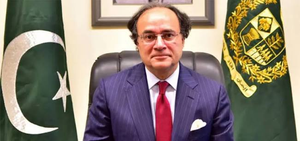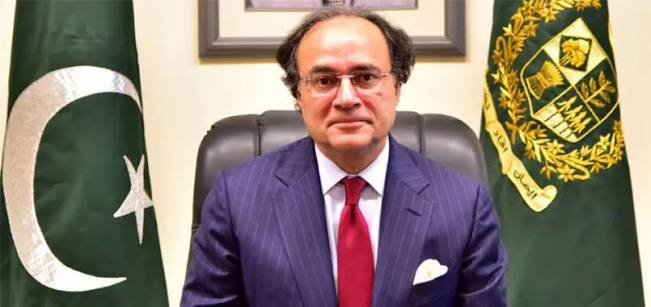
Islamabad (GNP): Finance Minister Muhammad Aurangzeb has said Pakistan’s economy should grow by more than 4 per cent in the current fiscal year, even though oil prices remain high.
He said on Monday that fuel supplies are adequate and that the country has faced no shortages. Agriculture and other key sectors are also holding up under the strain of the Middle East conflict, he added.
Prices are the main worry for now. The government is tracking inflation closely, as costlier commodities could push it higher.
The region’s turmoil also touches Pakistan in other ways. The country depends on Gulf energy supplies, remittances and financial support, all of which are exposed to disruption.
Outside funding therefore stays central to the plan. Pakistan needs it to build up foreign exchange reserves and to meet its debt payments.
The International Monetary Fund (IMF) remains the anchor. Pakistan agreed a $7 billion, 37-month loan programme with the lender in 2024, and it comes with reform conditions such as raising tax revenue from agricultural income.
Last week, the two sides reached a staff-level agreement that could release about $1.21 billion. The money would flow through the Extended Fund Facility (EFF) and the Resilience and Sustainability Facility (RSF), once the IMF Board gives its approvals.
Reform also means shrinking the state’s footprint. Aurangzeb said roughly a dozen entities sit in the privatisation pipeline, among them electricity distribution companies and a plan to outsource airport operations.
He expects five or six deals to close this fiscal year, which could bring in over $1 billion.
Pakistan has done this before. The sale of Pakistan International Airlines late last year raised more than half a billion dollars, and the new round aims to reduce the cost of keeping loss-making enterprises running.
Aurangzeb said the government wants the private sector to take the lead, while the state backs investment and keeps conditions friendly for business.
Washington is another source of possible support. Talks continue on a proposed $10 billion exchange stabilisation facility, though the minister gave no date for a conclusion.
Also Read: Delhi Locks Down as Police Face Abuse Claims Before Rally
He said this track is separate from Pakistan’s dealings with the US Export-Import Bank and the US International Development Finance Corporation. Market access, he added, would not be hurt if the facility fails to come through.
The wider picture is one of cautious recovery. Pakistan has moved out of a severe balance-of-payments crisis through tighter budgets, disciplined monetary policy and outside help, and lower inflation and firmer reserves have steadied the economy.
Growth above 4 per cent would build on that progress, but high energy prices and regional instability remain the biggest risks. The outcome will also hinge on keeping inflation in check, securing financing and carrying out the IMF reforms.
Aurangzeb said, “If it comes through, this will be a great help for us.”

Managing Editor at Global News Pakistan (GNP), with a Bachelor's degree in International Relations from Riphah International University, graduated with a Gold Medal. Reach out at sabahtareengnp@gmail.com