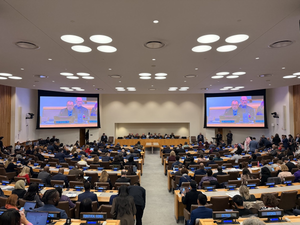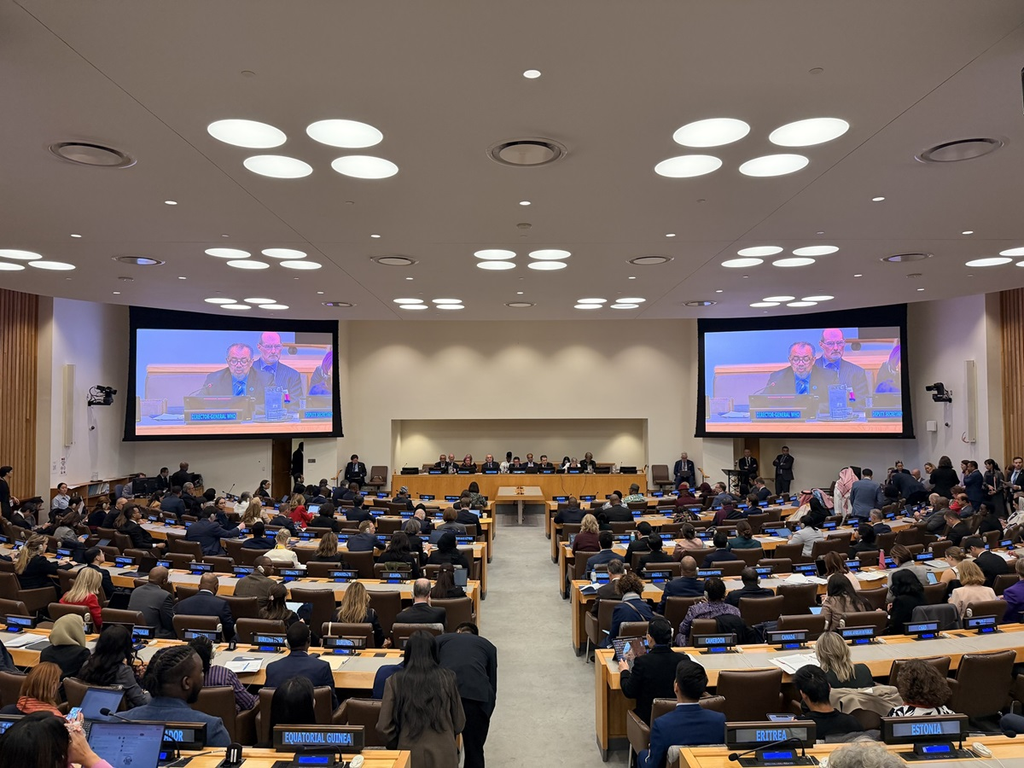
New York (GNP): Political leaders meeting at the United Nations General Assembly renewed their commitment to making the world safer from future pandemics, stressing the need for sustained and more equitable investment and action on pandemic prevention, preparedness and response.
The UNGA held its second high-level meeting on the issue on Thursday, following its first in 2023, which was staged in response to the challenges posed by the COVID-19 pandemic and gaps in global health security. Countries stressed that strengthening this area is not a health issue alone, requiring a whole-of-government and whole-of-society approach involving communities and all relevant sectors.
Leaders acknowledged the progress made over the past three years to strengthen global systems to detect, prepare for and respond to pandemic threats, including the adoption of the WHO Pandemic Agreement and amendments to the International Health Regulations of 2005. Capacities and infrastructure have also been scaled up through the establishment of global centres dedicated to epidemic and pandemic surveillance, pathogen sharing, and local manufacturing of vaccines, treatments and diagnostics.
Addressing the meeting, WHO Director-General Dr Tedros Adhanom Ghebreyesus said continued action and investment were needed to sustain this progress and better prepare the world for threats like COVID-19, which was linked to more than 20 million excess deaths between 2020 and 2023 and wiped over ten trillion US dollars from the global economy.
He said the pandemic had exposed and exacerbated fault lines in global health security, teaching the world painful lessons, and that the political commitment shown at the meeting reflected those lessons through measurable action to strengthen national capacities, invest in resilient health systems and expand equitable access to health products.
Countries also stressed the urgent need to finalise negotiations on an annex to the WHO Pandemic Agreement establishing the Pathogen Access and Benefit-Sharing system, currently being negotiated by WHO member states.
The purpose of this annex is to operationalise a system for the timely sharing of pathogens with pandemic potential, along with benefits arising from their use, enabling research, development and equitable distribution of vaccines, medicines, diagnostics and other health products. Adoption of the annex at the coming World Health Assembly in May 2027 is considered necessary before member states can begin national consideration of ratifying the Pandemic Agreement itself.
UN Deputy Secretary-General Amina Mohammed, speaking on behalf of Secretary-General António Guterres, called the pathogen-sharing system critical to unlocking the full potential of the Pandemic Agreement, urging member states to accelerate the process without further delay.
The declaration emerging from the meeting underscores that national health security can only be achieved through global solidarity, with international cooperation seen as essential for protecting communities and countries from cross-border health threats.
It also highlights the importance of a One Health approach that addresses the connections between human, animal and environmental health, recognising that preventing pandemics begins long before an outbreak occurs.
Also Read: Pakistan Among First Nations Chosen for COP31 Finance Plan
Opening the meeting, Dr Khalilur Rahman, President of the 81st UN General Assembly, said international cooperation was essential to protect the world from inevitable future pandemics through equitable access to vaccines, diagnostics and therapeutics, stronger health systems and closing persistent financing gaps.
Ambassador Amar Bendjama, President of the UN Economic and Social Council, said pandemic preparedness, prevention and response were crucial for advancing the 2030 Agenda and the Sustainable Development Goals, calling for integrated and adequately financed action with sustained investment in resilient health systems.
Leaders taking part in the meeting emphasised throughout the day that prevention, preparedness and response must remain a sustained political priority, not only during crises but in the years between them, stressing that protecting the world from future pandemics will require continued political leadership and long-term investment.
Tedros Adhanom Ghebreyesus said, “The COVID-19 pandemic exposed and exacerbated the fault lines of global health security, and taught the world many painful lessons.”

Managing Editor at Global News Pakistan (GNP), with a Bachelor's degree in International Relations from Riphah International University, graduated with a Gold Medal. Reach out at sabahtareengnp@gmail.com