In the modern world, where humanity is increasingly confronted with the threats of wars, armed conflicts, terrorism, extremism, and other security challenges, strengthening peace and international cooperation has become one of the most important tasks of the international community. In such circumstances, the initiative of the Republic of Tajikistan to declare the “International Decade for Strengthening Peace for Future Generations (2027–2036)” is of great political and humanitarian significance.
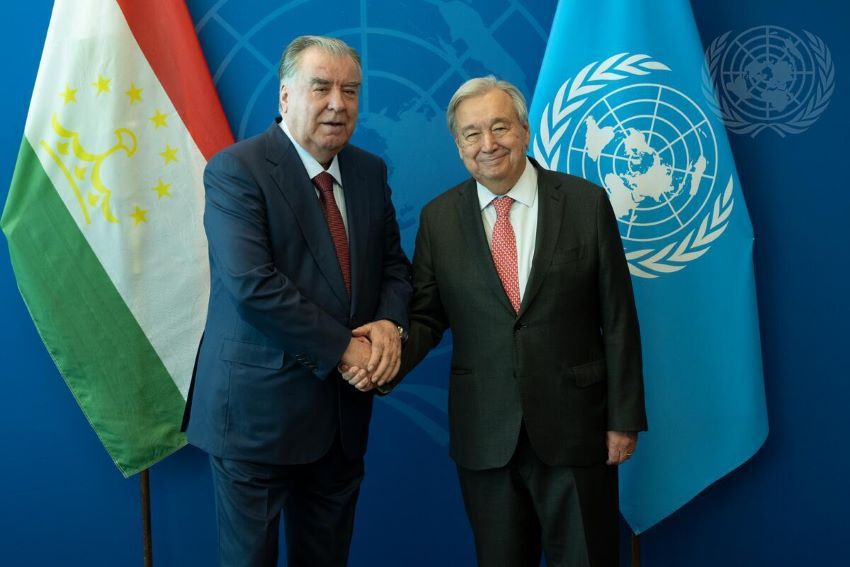
This initiative was first proposed by the Founder of Peace and National Unity – Leader of the Nation, President of the Republic of Tajikistan, Emomali Rahmon, during the 79th session of the United Nations General Assembly in September 2024. Subsequently, on 25 June 2025, the United Nations General Assembly adopted a special resolution under the same title, proclaiming 2027–2036 as the “International Decade for Strengthening Peace for Future Generations (2027–2036).”
The adoption of this resolution demonstrates that the international community recognizes peace as a fundamental condition for sustainable development and a dignified life for humanity. In the document, UN Member States once again reaffirmed their commitment to promoting peace, dialogue, solidarity, and respect for human rights.
The resolution is based on the goals and principles of the Charter of the United Nations and, above all, places at its core the determination to “save succeeding generations from the scourge of war.” At the same time, it emphasizes the importance of the Declaration and Programme of Action on a Culture of Peace as an important international instrument for promoting peace, tolerance, and the prevention of violence.
The objectives of the “International Decade for Strengthening Peace for Future Generations (2027–2036)” cover important areas of development for the international community. These include:
- strengthening international peace and security;
- preventing conflicts through dialogue, diplomacy, and reconciliation;
- promoting a culture of peace, tolerance, and respect for diversity;
- expanding international cooperation to address global challenges;
- engaging young people, women, and civil society in peacebuilding processes;
- strengthening solidarity between generations;
- protecting the interests of future generations in policymaking and international decision-making;
- contributing to sustainable development and ensuring peaceful living conditions for all peoples.
Throughout the years of independence, the Republic of Tajikistan has repeatedly put forward global initiatives within the framework of the United Nations. While its previous initiatives focused primarily on water, climate, and sustainable development, this new initiative is directed toward the most important value of humanity – peace.
This initiative also reflects the historical experience of the Republic of Tajikistan. The Tajik people experienced the horrors of a devastating civil war and, through the efforts of the country’s leadership and the will of the people, achieved peace and national unity. Therefore, Tajikistan’s peace experience can serve as an example for other countries facing conflicts.
The adopted resolution does not concern only one country; rather, it calls upon the entire international community to cooperate in strengthening peace. In particular, the Secretary-General of the United Nations, specialized agencies, regional commissions, Member States, international organizations, and civil society are called upon to contribute to the implementation of the objectives of the resolution.
It is noteworthy that the resolution pays particular attention to the participation of young people. As a major force for the development of society, young people should actively participate in promoting a culture of peace, preventing extremism, developing dialogue, and strengthening mutual understanding. Educating young people in the spirit of patriotism, tolerance, and respect for human values is one of the important factors in ensuring lasting peace.
Today, the Republic of Tajikistan is recognized internationally as a country with unique experience in restoring peace and achieving national unity. Tajikistan’s peace experience demonstrates that conflicts can be resolved and the foundations for sustainable development can be established only through dialogue, tolerance, mutual understanding, and political will. Therefore, the international initiatives of the Republic of Tajikistan have consistently received support from the international community.
President of the Republic of Tajikistan, His Excellency Emomali Rahmon, in his speeches from prominent international platforms, consistently calls upon the international community to consolidate peace and integration, respect human rights, and resolve global issues through diplomacy. This consistent position presents the Republic of Tajikistan as an initiative-taking and responsible country in international affairs.
The Republic of Tajikistan, over more than 35 years of state independence, through its constructive international initiatives, has strengthened its position in the world as a peace-loving country and a supporter of constructive cooperation. These initiatives have contributed not only to addressing pressing global issues but also to promoting the history, culture, civilization, and spiritual values of the Tajik people. Honoring the heritage of Tajik mystics, scholars, and thinkers, as well as advancing the ideas of peace and unity, are among the important directions of the cultural policy of the Republic of Tajikistan.
Also Read: Tajikistan Turns Water Resources into Soft Power Diplomacy
The adoption of the resolution entitled “International Decade for Strengthening Peace for Future Generations (2027–2036)” is an important achievement of the diplomacy of the Republic of Tajikistan and a valuable contribution to strengthening international peace and security. This initiative demonstrates that peace is not merely the absence of war, but also a fundamental condition for sustainable development, economic progress, the protection of human rights, and a dignified life for every individual.
At a time when the world is facing various threats, the implementation of the objectives of this resolution can contribute to promoting a culture of peace, strengthening solidarity among peoples, and creating better living conditions for present and future generations. By putting forward this international initiative, the Republic of Tajikistan has once again demonstrated its position as a peace-loving country and a supporter of dialogue and constructive international cooperation, making a significant contribution to advancing the global peace agenda.
Qurbonzoda Farida
Qurbonzoda Farida, Research Fellow at the Department of CIS, Institute for the Study of Asian and European Countries, National Academy of Sciences of Tajikistan