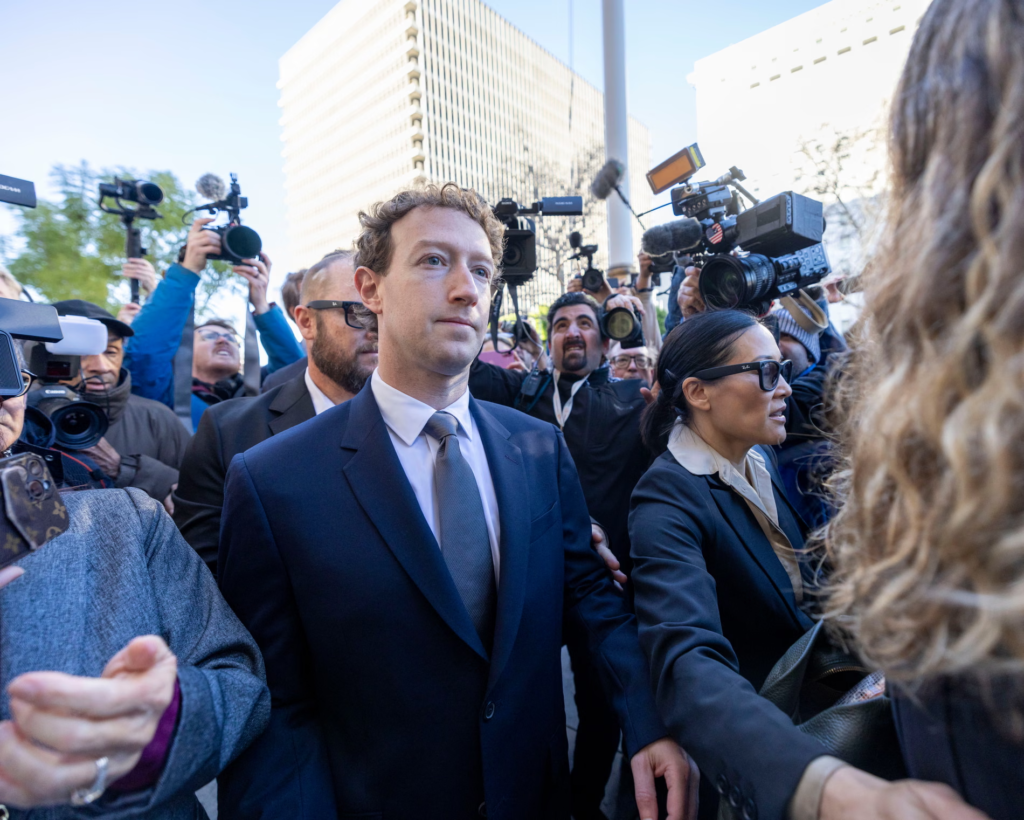
Mexico (GNP): A New Mexico court has ordered Meta, the parent company of Facebook and Instagram, to pay 567 million dollars into a fund meant to address the mental health harms linked to its platforms. The ruling, issued on Thursday, forms the second phase of a landmark trial the company lost in March, when a jury found that Meta had knowingly harmed children’s mental health and concealed what it knew about child sexual exploitation occurring on its platforms. That earlier verdict carried the maximum penalty available at the time, a 375 million dollar fine, bringing Meta’s total financial liability from the case to 942 million dollars.
Judge Bryan Biedscheid directed that the largest share of the new penalty, 420 million dollars, be used to fund treatment services for young people in New Mexico, while the remainder will support awareness campaigns, prevention programmes and screening services over the next five years.
The case built on a 2023 Guardian investigation that found Facebook and Instagram had been used as marketplaces for child sex trafficking, with former Meta moderators later telling the Guardian that flagged cases of child grooming were sometimes not escalated internally.
During the trial’s second phase, which began in May, prosecutors pushed the court to mandate structural changes at Meta, including curbing addictive platform features, strengthening age verification and tightening default privacy settings to prevent child exploitation.
The judge ultimately ordered Meta to introduce banner and informational screens explaining the platform’s protective tools and best practices, with those changes and an accompanying educational campaign in New Mexico subject to state review.
On the question of age verification, the court acknowledged that federal children’s privacy law prevents Meta from directly verifying the ages of children under 13, and said requiring age verification from Meta alone, while other platforms remain exempt, would be unfair to the company.
Instead, the ruling requires Meta to keep refining its artificial intelligence-based age-assurance systems in New Mexico, which estimate a user’s age from signals such as their friend networks and the content they engage with, and to work toward building a dedicated model for predicting under-13 users within the next two years.
Meta must also request proof of age from New Mexico users it suspects may be under 13, and treat any user it cannot confidently age-verify as a minor until they prove otherwise. The company is further required to build a reporting portal in partnership with schools or a child safety organisation so staff can flag suspected underage users, delete data already collected from users under 13, and file compliance updates twice a year.
New Mexico attorney general Raúl Torrez welcomed the ruling, saying the case has always been about protecting children, standing up for families, and ensuring a major technology company cannot profit from practices that endanger young people without consequence.
Also Read: China Expands AI Weather Warning System Across Africa Today
He added that the decision represents a win for parents and children affected by social media harms. A Meta spokesperson said the company disagrees with the ruling and intends to appeal, maintaining that it works to keep users safe and remains confident in its record of protecting teenagers online.
The 942 million dollar total remains a small fraction of Meta’s annual profit, which stood at around 60 billion dollars in 2025, but it adds to a growing list of legal setbacks for the company. Meta is currently facing a separate trial in Tennessee, where the state accuses it of ignoring internal warnings about teenagers’ compulsive use of Instagram, and is preparing for another trial in federal court in Oakland, California, later this month.
Laura Edelson, an assistant professor at Northeastern University who studies social media and cybersecurity, said the New Mexico case could be the first of several similar rulings against the company, noting that while a nationwide ban on social media is unlikely, states are increasingly finding ways to hold platforms accountable for harm caused by their product design.

Managing Editor at Global News Pakistan (GNP), with a Bachelor's degree in International Relations from Riphah International University, graduated with a Gold Medal. Reach out at sabahtareengnp@gmail.com