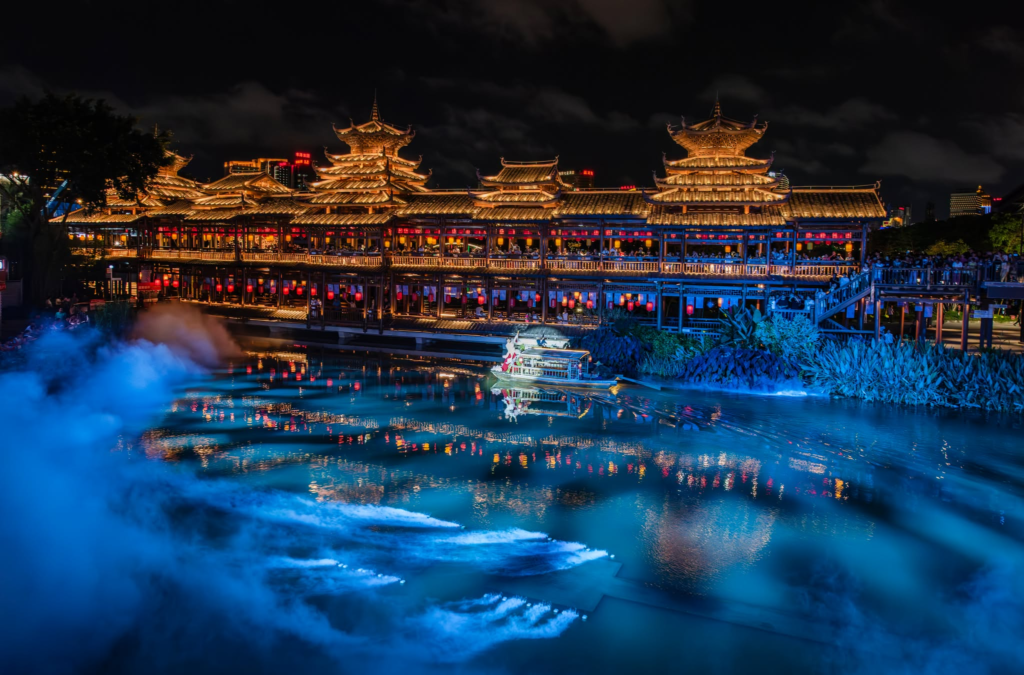
BEIJING, August 5, 2026 (GNP): The Guizhou Music Festival is drawing international attention after transforming the province’s iconic rice terraces into a spectacular natural amphitheater, showcasing China’s blend of cultural heritage, tourism innovation, and rural revitalization.
The China Guizhou Music Festival took place in southwest China’s Guizhou Province, a region known for its stunning mountain scenery, centuries-old rice terraces, and deep ethnic heritage. Unlike most music festivals crammed into city arenas or purpose-built venues, this one used the natural shape of the terraced hillsides as its stage turning the landscape itself into part of the show.
Chinese Foreign Ministry spokesperson Mao Ning gave the event a boost on social media, calling Guizhou’s terraces “nature’s amphitheater.” Her comment struck a chord globally, with plenty of observers praising how the festival managed to blend cultural performance with environmental care. It’s also part of a bigger picture China’s ongoing push to spotlight regional diversity and grow tourism in a way that doesn’t come at the environment’s expense.
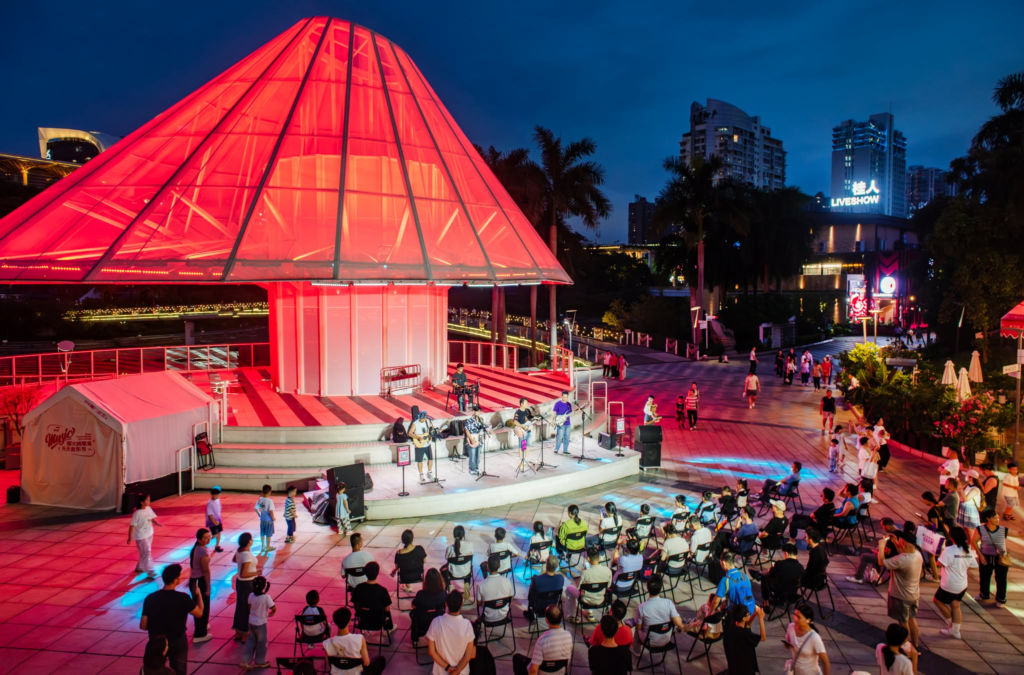
Musically, the China Guizhou Music Festival mixed local tradition with contemporary sound, giving visitors a real taste of what makes Guizhou culturally distinct. The province is home to a number of ethnic minority communities, including the Miao and Dong peoples, whose music, dance, dress, and craftsmanship have shaped Chinese culture for generations. Organizers worked to weave these traditions into a modern festival setting without watering them down or losing what makes them authentic.
Also Read: Pak, Iran Reaffirm US$10bn Trade Goal
Officials see festivals like this one as genuinely useful for rural revitalization a real economic boost for the communities around them. Hotels, restaurants, transport services, craft vendors, farmers they all see a bump when visitors, domestic and international alike, start flowing in. It also gives local artists and performers a much bigger stage than they’d normally get, helping cultural industries in rural areas actually grow.
There’s a broader shift happening in tourism too, one that leans into experience over sightseeing visitors wanting to actually engage with local culture instead of just snapping photos at landmarks. The Guizhou festival fits neatly into that trend, folding music, heritage, environmental care, and scenery into one attraction. It’s the kind of thing that supports China’s bigger goal of balanced regional growth without sacrificing history or nature along the way.
There’s also something to be said for how the festival handled its setting. Turning a natural landscape into an event space isn’t simple organizers had to be deliberate about protecting the surrounding ecosystem while still keeping things safe for visitors and preserving the historic terraces themselves. It’s a good example of the kind of sustainable tourism thinking that’s gaining traction worldwide growth that doesn’t come at nature’s expense.
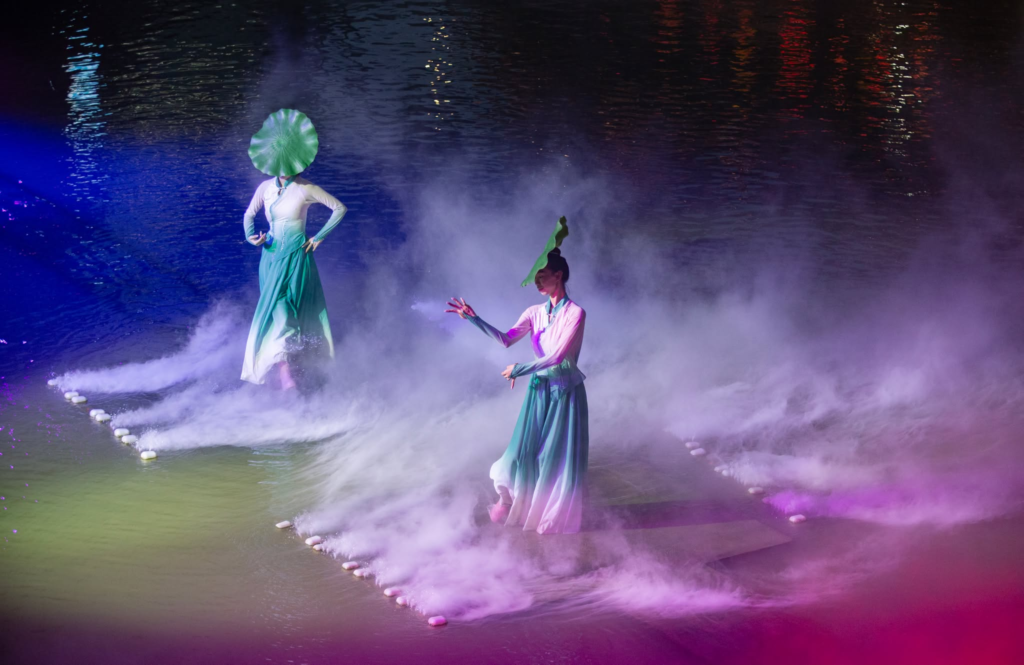
Economics aside, the festival’s also doing quiet work as a form of cultural diplomacy. With images and coverage spreading internationally, it’s helping put China’s regional diversity in front of a much wider audience feeding into broader efforts to build people-to-people connections and cultural understanding through tourism and art.
Experts point out that cultural festivals like this have become a real branding tool for destinations trying to stand out in a crowded global tourism market. Guizhou’s got a strong hand to play here dramatic scenery, centuries-old agricultural landscapes, and vibrant ethnic traditions all rolled into one identity that’s hard to replicate elsewhere.
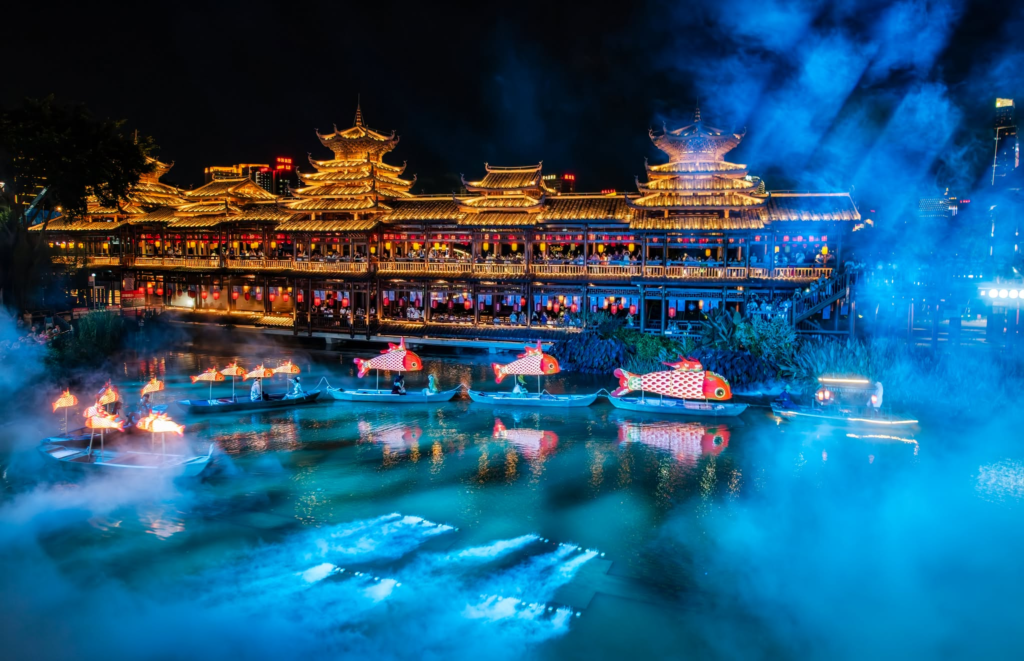
The China Guizhou Music Festival’s success also says something about where event planning is headed more broadly this blending of culture, tech, tourism, and sustainability. Good lighting design, sharp digital promotion, and heavy social media buzz have all helped push Guizhou’s international profile further, cementing its reputation as a serious cultural and tourism destination.
As more places look for fresh ways to grow tourism sustainably while keeping their cultural heritage intact, the China Guizhou Music Festival stands out as a strong example of what’s possible turning a natural landscape into a living cultural space. By celebrating local tradition alongside responsible tourism and real economic growth, the festival’s helped cement Guizhou’s place as one of China’s most distinctive destinations.