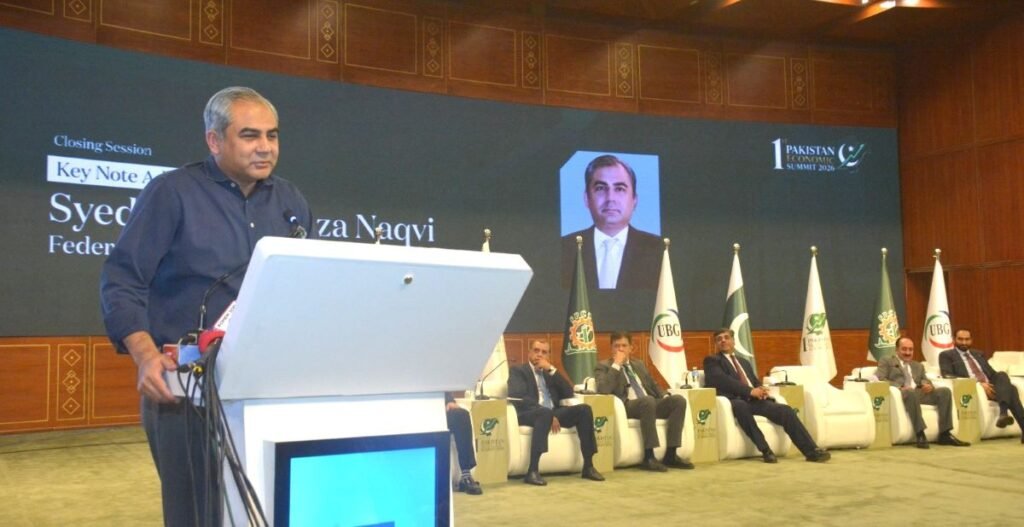
Islamabad (GNP): Federal Interior Minister Mohsin Naqvi called for sweeping institutional reforms and stronger political consensus, urging Pakistan’s business community to take a more active role in shaping national governance rather than limiting their involvement to funding election campaigns.
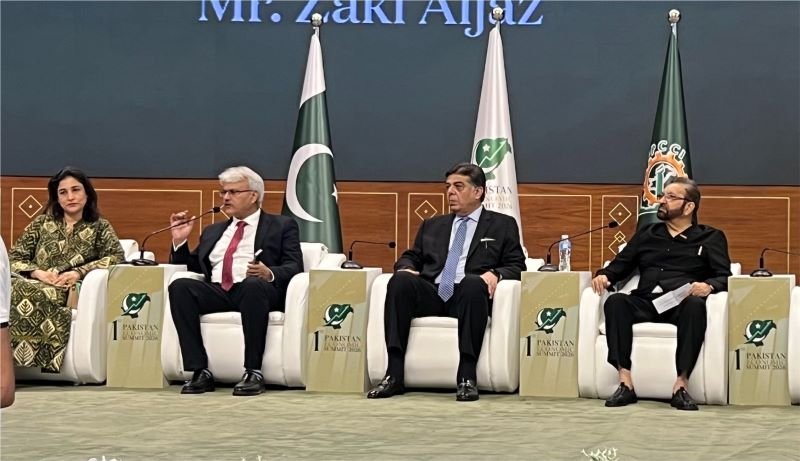
Naqvi made the remarks at the inaugural Pakistan Economic Summit 2026, held July 29–30 at the Jinnah Convention Centre in Islamabad and jointly organized by the Federation of Pakistan Chambers of Commerce & Industry (FPCCI) and the United Business Group (UBG).
Addressing the summit, Naqvi argued that Pakistan’s persistent governance challenges cannot be resolved without structural reform, administrative decentralization, and cooperation across political lines. He noted that participants across various summit sessions had raised similar concerns about governance and public service delivery, and while acknowledging Pakistan’s improving international standing, he said recurring governance failures have prevented the country from realizing its full potential.
Describing himself as a firm believer in democracy, Naqvi argued that democratic governance needs to be supported by an efficient, responsive administrative system rather than outdated structures that no longer serve citizens’ needs. He warned that without strengthening these institutional foundations, government efforts would continue to amount to little more than short-term crisis management.
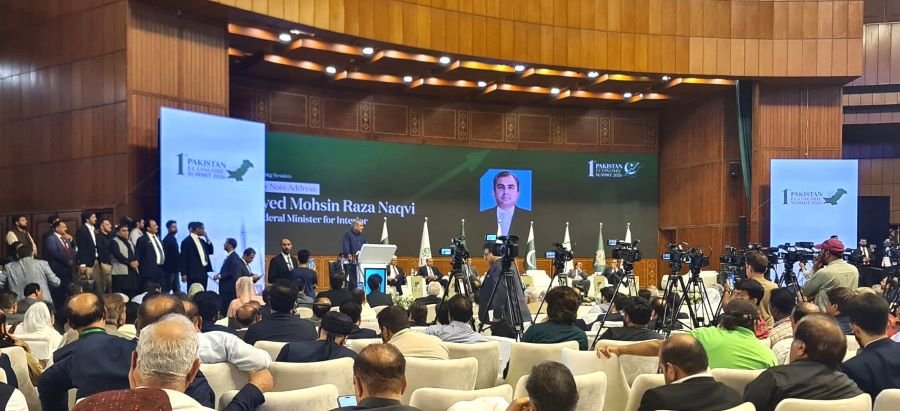
He called on political parties, business leaders, and civil society to work together toward creating additional administrative units to bring courts, government services, and decision-making closer to citizens, stressing that effective local governance is essential for sustainable economic growth.
Naqvi said business leaders possess the management expertise needed to help address complex national challenges and encouraged them to engage more directly in the political process, arguing that meaningful reform depends on collective demand from the business community.
Turning to youth, he said young Pakistanis are seeking merit-based employment and transparent governance rather than short-term financial support, warning that failing to address these expectations could lead to broader social tension. He called for prioritizing employment opportunities and merit-based systems as national priorities.
The interior minister also criticized Pakistan’s continued reliance on borrowing to finance national budgets, saying successive governments have leaned on debt rather than pursuing structural reform.
He argued that lasting progress requires resetting the country’s governance system through broad political agreement, rather than relying solely on individual leaders’ efforts.
He called for dialogue among political parties to jointly redesign governance structures, suggesting that reform proposals be debated across Parliament, academic institutions, and the media, with public opinion ultimately shaping the country’s governance direction.
Naqvi said Pakistan’s improving global standing would remain incomplete without matching progress in domestic governance, justice, education, and healthcare, describing the current period as a rare opportunity for comprehensive reform.
He closed by pledging support for reform-focused stakeholders, including the business and legal communities, and expressed willingness to engage directly with representatives from Khyber Pakhtunkhwa and Balochistan on strengthening peace and stability.
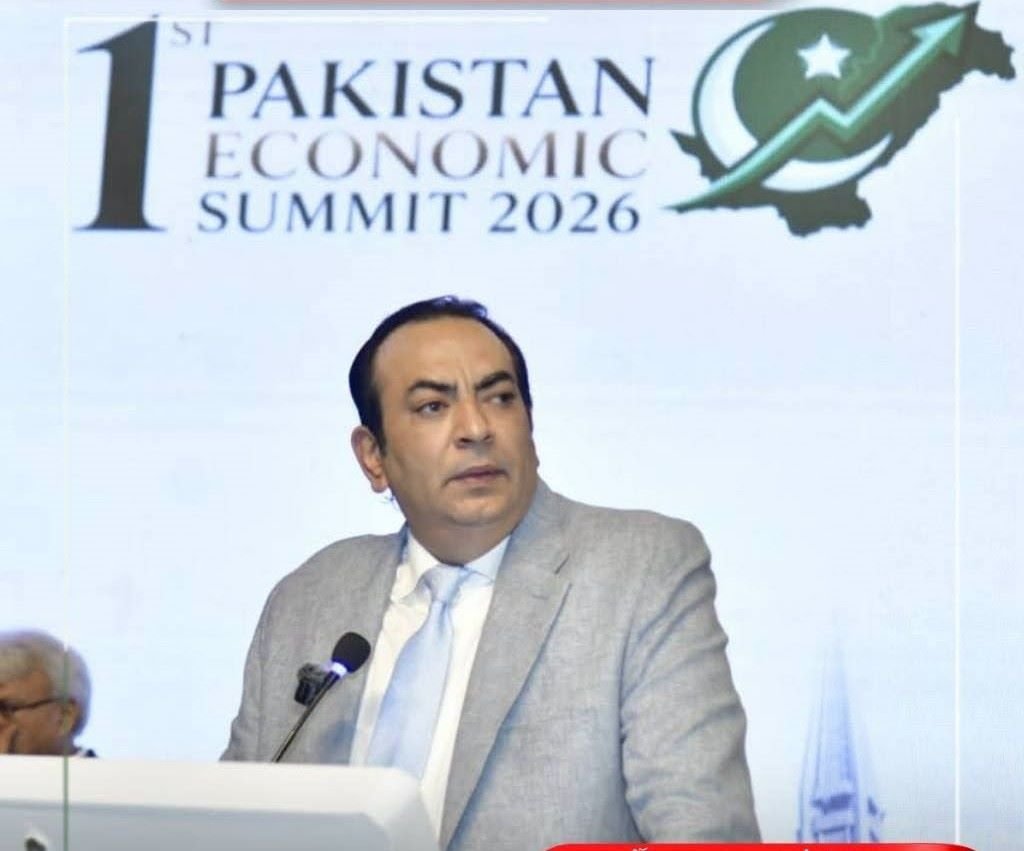
FPCCI President Atif Ikram Sheikh, who also serves in senior roles at ECO-CCI, SAARC-CCI, and CACCI, delivered the summit’s keynote address, outlining Pakistan’s key economic challenges and calling for policymaking based on broad consensus and long-term planning.
He addressed issues including industrial revival, export growth, and support for SMEs and entrepreneurship, describing the summit as a platform bringing together business leaders and policymakers to develop practical solutions for economic growth, investment, and job creation across the country.
Senior lawyer and Pakistan Bar Council member Ahsan Bhoon told the summit that Pakistan’s Constitution allows for administrative restructuring, noting that Article 1 permits the creation of new administrative units, federal territories, and provincial boundary changes through established constitutional procedures.
Also read: Jam Kamal Stresses SME Growth and Industrial Reforms
Business leaders at the event echoed the call for structural reform alongside economic policy changes, with FPCCI’s Sheikh noting that the summit was designed to strengthen collaboration between government and the private sector by giving businesses a direct platform to raise concerns with policymakers.

Sohail Majeed is a Special Correspondent at The Diplomatic Insight. He has twelve plus years of experience in journalism & reporting. He covers International Affairs, Diplomacy, UN, Sports, Climate Change, Economy, Technology, and Health.