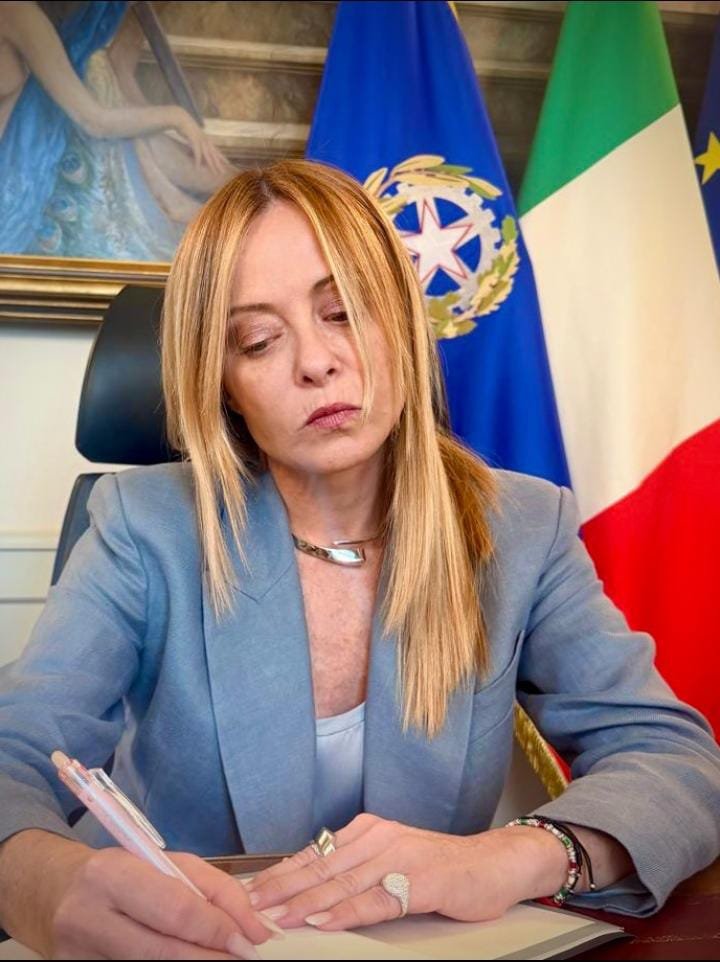
ROME (GNP): Diesel Tax relief has become the latest measure adopted by Italy’s government as Prime Minister Giorgia Meloni announced an emergency reduction in diesel excise duties to cushion the impact of soaring fuel prices. The move comes as tensions on the world stage keep driving energy costs higher, squeezing households, transport operators, farmers, and businesses across the country in the process.
The emergency decree, greenlit by Italy’s Council of Ministers, cuts diesel excise duties by 17 euro cents per litre right away, with the relief set to run through August 6. Officials described it as a stopgap measure something to keep transport and production costs from climbing further while giving everyday consumers a bit of breathing room from fuel prices that have been climbing fast. All told, the package will cost the Italian treasury roughly €125 million, and it also carries targeted help for truck drivers and farming businesses.
Meloni was upfront in her statement, admitting the government didn’t create the global conditions pushing energy prices upward but she insisted it still had a duty to act quickly. She said the cabinet worked with what it had available right now, while keeping a close eye on how international energy markets continue to shift. Per the prime minister, the government plans to reassess things before the current measures run out, and won’t rule out further action if conditions keep worsening.
This latest Diesel Tax cut is the product of months of turbulence in global energy markets, much of it tied to instability in the Middle East. Rising oil prices have rippled down to fuel distributors across Europe, and in Italy, diesel has climbed past €2 per litre in plenty of places especially along the country’s motorways. Transport companies have been sounding the alarm, warning that if fuel costs keep climbing, the price of simply moving goods could rise sharply, and that hit would eventually land on consumers through pricier food and retail goods.
This isn’t new territory for Italy, either. The government has rolled out similar fuel tax cuts multiple times already this year to soften the blow of the ongoing energy crisis. Earlier rounds of temporary excise reductions, introduced back in March and stretched through spring, were meant to shield families and businesses from steep fuel price spikes. But those moves didn’t go unchallenged both the European Commission and the IMF pushed back, arguing that broad tax cuts should give way to more targeted support aimed specifically at vulnerable households.
Even with that criticism hanging in the background, Rome is holding its ground, insisting that quick intervention is still necessary while energy markets remain this shaky. Economy Minister Giancarlo Giorgetti noted that officials are also weighing additional relief potentially covering electricity and natural gas bills too if global conditions take a turn for the worse. There’s a broader concern at play as well: officials believe Italy, much like Germany, is especially exposed to energy price shocks given its industrial economy and heavy reliance on imported fossil fuels.
Also Read: World Hepatitis Day and the Drive for a Healthier Pakistan
Reaction to the latest Diesel Tax reduction has been largely positive. Business groups, freight operators, and farming organizations have welcomed the news, pointing out that cheaper fuel offers real short-term relief for industries that depend heavily on road transport. Consumer advocates are on board too, backing anything that keeps pump prices from climbing further though many are still pushing for longer-term fixes that would make Italy less vulnerable to the ups and downs of global energy markets in the first place.
At the end of the day, this decree captures the tightrope the Meloni government is walking trying to protect people’s purchasing power without putting too much strain on the country’s finances. The current fuel tax break offers a bit of short-term breathing room, but officials themselves admit that any real, lasting solution will hinge on how international energy markets evolve, and on Italy’s ability to build stronger, longer-term energy resilience going forward.