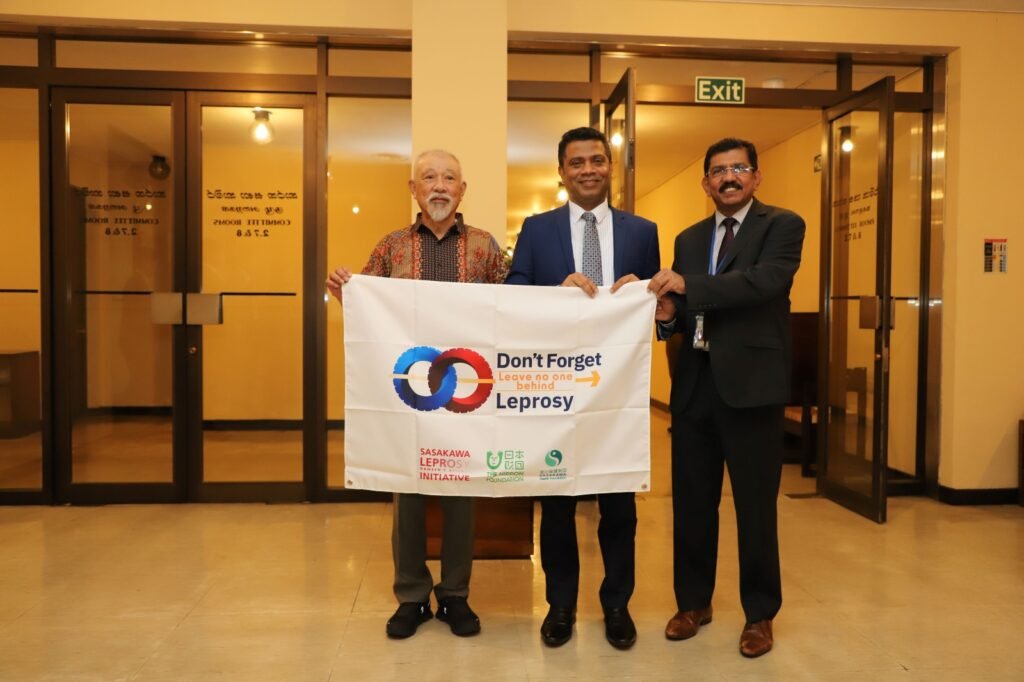
GENEVA (GNP): WHO Leprosy Goodwill Ambassador Yohei Sasakawa has reaffirmed his commitment to eliminating leprosy by sharing the experiences that shaped his decades-long advocacy for people affected by the disease. In a recent message shared by the World Health Organization (WHO), Sasakawa reflected on his journey and emphasized the importance of dignity, inclusion, and equal access to healthcare for those living with or recovering from leprosy.
Speaking as WHO’s Goodwill Ambassador for Leprosy Elimination, Sasakawa noted that his work has allowed him to meet thousands of individuals and families across Asia, Africa, and Latin America. These visits have strengthened his determination to fight the discrimination and social stigma that continue to affect people even after they have been cured.
Leprosy, also known as Hansen’s disease, is a chronic infectious disease caused by the bacterium Mycobacterium leprae. Although it is now curable through multidrug therapy provided free of charge in many countries, delayed diagnosis can result in permanent nerve damage and physical disabilities. Early detection and timely treatment remain the most effective tools for preventing complications.
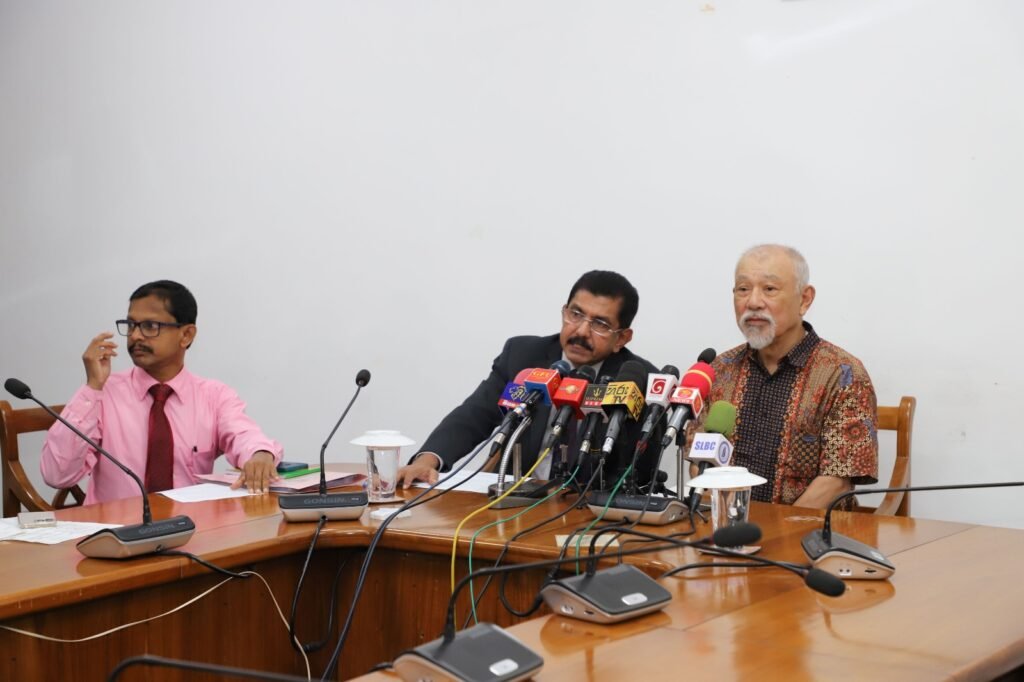
WHO continues to work with governments, health ministries, and international partners to improve surveillance, expand access to diagnosis and treatment, and reduce the discrimination faced by affected individuals. The organization also promotes public education campaigns to encourage communities to seek treatment early and reject myths surrounding the disease.
Sasakawa has spent more than four decades advocating for people affected by leprosy, visiting remote communities and encouraging governments to prioritize elimination efforts. His humanitarian work has focused not only on medical treatment but also on restoring human dignity by promoting education, employment opportunities, and legal protections for those who have experienced discrimination.
According to WHO, significant progress has been made over the past several decades, with millions of patients successfully treated worldwide. However, thousands of new cases are still reported each year, particularly in parts of South Asia, Southeast Asia, Africa, and Latin America. Continued investment in healthcare systems, public awareness, and community engagement remains essential to achieving the goal of zero leprosy.
Public health experts emphasize that eliminating stigma is just as important as providing medicines. Fear of discrimination often discourages people from seeking diagnosis and treatment, allowing the disease to progress unnecessarily. WHO therefore encourages governments and civil society organizations to integrate leprosy services into primary healthcare while protecting the rights of affected individuals.
The organization’s broader Health for All agenda highlights that universal health coverage should include neglected tropical diseases such as leprosy. By ensuring equitable healthcare access, countries can reduce disease transmission while improving the quality of life for vulnerable populations.
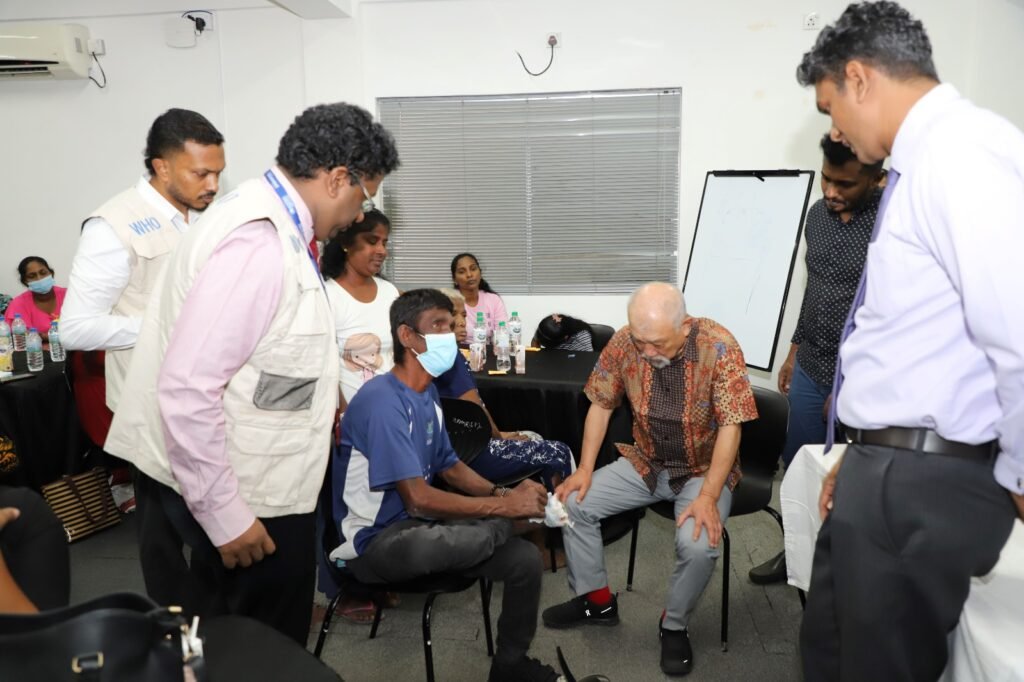
WHO’s renewed focus on leprosy elimination demonstrates that global health challenges extend beyond medical treatment alone. Sustainable success depends on reducing social stigma, strengthening national healthcare systems, expanding community awareness, and ensuring equal opportunities for recovered patients.
Yohei Sasakawa’s advocacy has helped transform international discussions from disease control to human rights and social inclusion. His work illustrates how influential public figures can mobilize governments, international organizations, and local communities toward achieving long-term public health goals.
Also Read (Global News Pakistan): Ten-Man Argentina Fall to Spain as Torres Wins World Cup
Leprosy has affected humanity for thousands of years and was historically associated with severe social exclusion due to widespread misconceptions about its transmission. Scientific advances have transformed the disease into one that is fully curable with multidrug therapy when detected early.

Since the 1980s, WHO has led international campaigns to eliminate leprosy as a public health problem by supporting national control programs, providing free treatment, and promoting research and awareness. Despite remarkable progress, the organization continues to advocate for early diagnosis, equal healthcare access, and the complete elimination of discrimination against people affected by leprosy.