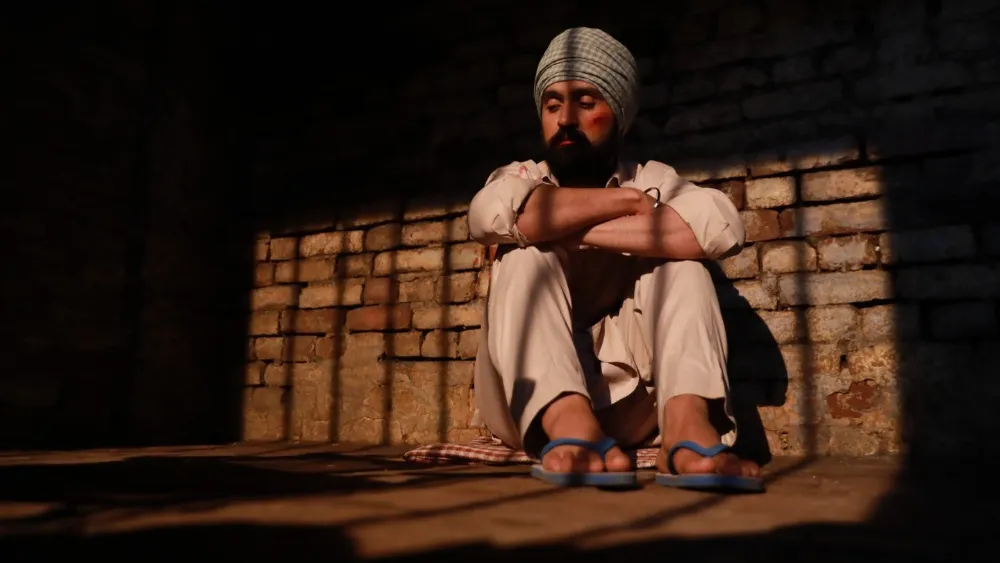
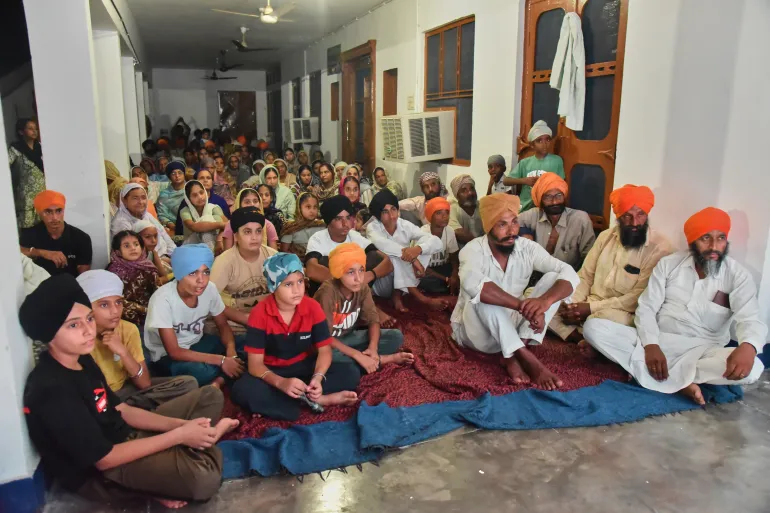
ISLAMABAD (GNP): Indian authorities have kept a biographical film on slain human rights activist Jaswant Singh Khalra off official platforms, a move that has instead driven the film into Sikh temples, village halls and diaspora communities where audiences are watching it in defiance of the state.
The film, titled Satluj and originally released under the name Punjab 95, dramatizes the life and killing of Khalra, a bank employee in Amritsar who began investigating the disappearance of a friend and the friend’s mother before uncovering what he alleged were thousands of similar cases carried out during a government crackdown on Punjab’s separatist movement in the 1980s and early 1990s. Khalra was picked up outside his home on September 6, 1995, and is presumed to have been murdered, though his body was never recovered. He was 42 years old.
India’s Central Board of Film Certification withheld the film’s theatrical release for three years, demanding nearly 130 cuts along with a title change, according to a review published by a film outlet. Director Honey Trehan and the filmmaking team declined to comply with the demands.
The film debuted on the ZEE5 streaming platform on July 3 under the Satluj title but was removed roughly 48 hours later, with officials citing security grounds, as per reports. A government-appointed committee reviewing the platform ban has since upheld it, concluding the film “goes against India’s sovereignty.”
ZEE5 said in a statement that the film would remain unavailable in India “until further notice,” adding that it would pursue “every appropriate avenue through due process” to have it restored.
At the center of the film’s account is Khalra’s investigation, which alleged that police secretly cremated nearly 25,000 disappeared people without notifying their families or maintaining official records. After his death, his wife, Paramjit, campaigned for accountability, a push that eventually forced the government to order a probe by India’s Central Bureau of Investigation. Five police officials are now serving life sentences in connection with his killing.
Punjabi singer and actor Diljit Dosanjh portrays Khalra in the film, with Arjun Rampal playing the CBI officer who investigates his disappearance and Suvinder Vicky as the police officer overseeing the crackdown. Co-written by Trehan with Niren Bhatt and Utsav Maitra, the film has been described by reviewers as structured in two halves, moving from biopic into investigative-thriller territory once Khalra disappears, and has drawn praise as one of the more powerful Indian productions of recent years.
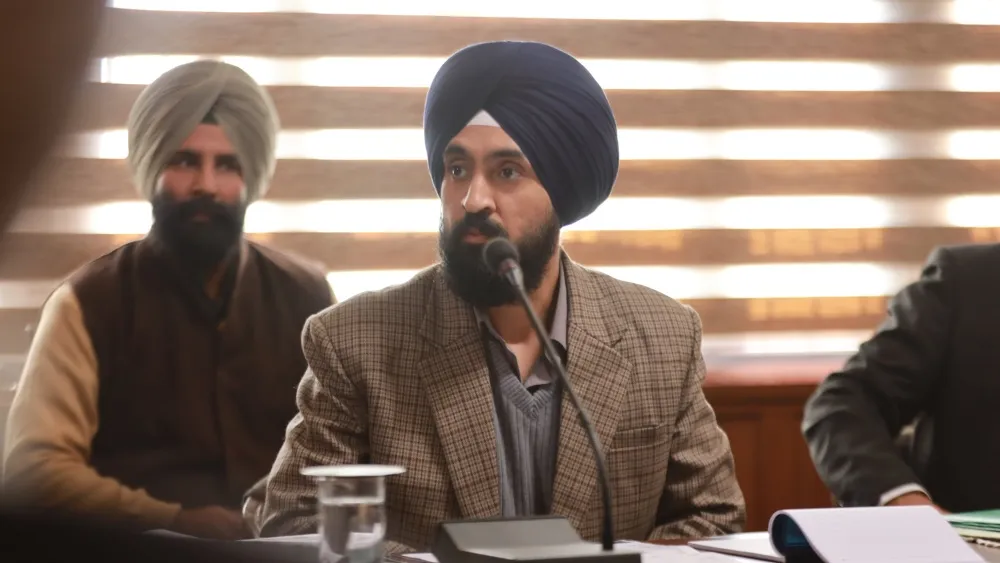
Dosanjh addressed the ban in a live Instagram session, telling followers that his worst fears had come true, while also noting the film continued to reach viewers through community screenings, downloads and informal sharing online. At a screening in Punjab’s Gurdaspur district, viewer Inderpal Bains told Al Jazeera the film reflected the suffering endured by earlier generations in the region and said the ban amounted to burying evidence of that history.
Also Read: Zia Mohyeddin Documentary Set For New York Premiere
The dispute is unfolding against the backdrop of the Khalistan insurgency, a separatist movement rooted in disputes over Sikh identity, demands for state autonomy, river-water sharing and federal control of Punjab, which grew into one of independent India’s most violent internal conflicts. Indian troops stormed the Golden Temple in Amritsar in 1984 in an operation that left hundreds dead, an episode followed by the assassination of then Prime Minister Indira Gandhi and anti-Sikh riots in which thousands were killed.
Violence in Punjab had largely subsided by the mid-1990s, though Indian authorities continue to treat separatist sentiment as a national security concern.
Observers cited by Al Jazeera pointed to a broader pattern under Prime Minister Narendra Modi’s government, alleging favorable treatment for nationalist-themed films alongside tightened restrictions on independent productions that scrutinize state conduct. Social media users have continued circulating the film on video platforms despite repeated takedowns, while diaspora groups in London, New York and Toronto have organized their own community screenings.

Managing Editor at Global News Pakistan (GNP), with a Bachelor's degree in International Relations from Riphah International University, graduated with a Gold Medal. Reach out at sabahtareengnp@gmail.com