ISLAMABAD (GNP): As the world prepares to mark Nelson Mandela International Day on July 18, renewed attention is turning to one of the United Nations’ most consequential yet lesser-known human rights instruments: the UN Standard Minimum Rules for the Treatment of Prisoners, widely known as the Nelson Mandela Rules.
The rules set out the internationally recognised minimum standards for how prisoners should be treated and how prisons should be managed, and they remain among the clearest expressions of the principle that even those deprived of liberty retain fundamental human dignity.
Seven Decades In The Making
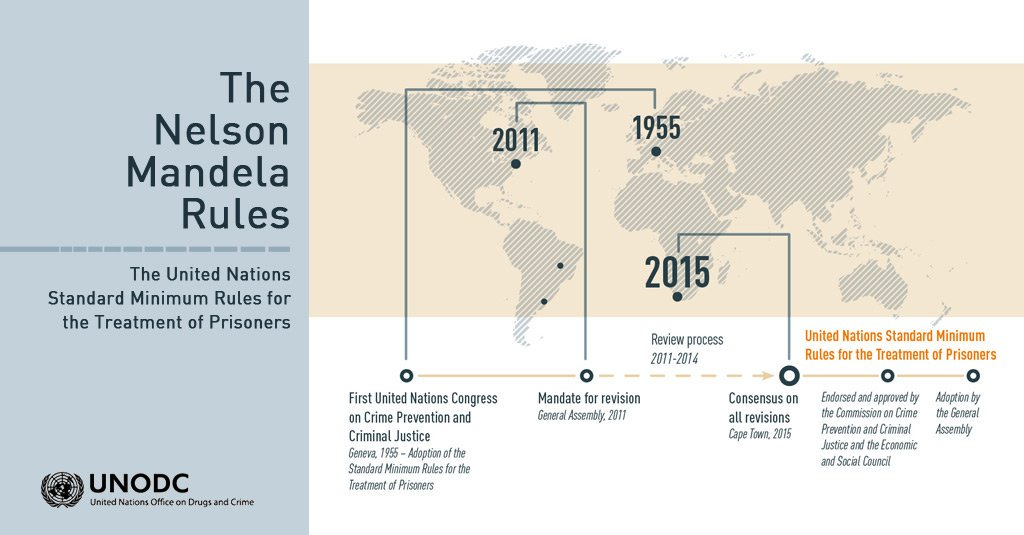
The framework traces back to 1955, when UN member states adopted the original Standard Minimum Rules for the Treatment of Prisoners at the first UN Congress on the Prevention of Crime and the Treatment of Offenders, held in Geneva. For more than six decades, those rules shaped prison laws and practices across the globe, offering governments a common reference point despite wide differences in how countries run their correctional systems.
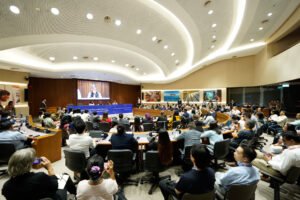
By 2011, growing understanding of human rights and the penal process led the UN General Assembly to establish an inter-governmental Expert Group tasked with updating the rules for the twenty-first century, on the condition that none of the existing protections be weakened. Between 2012 and 2015, member states, with support from the UN Office on Drugs and Crime, examined the scope of possible revisions, drawing on input from civil society and international organisations.
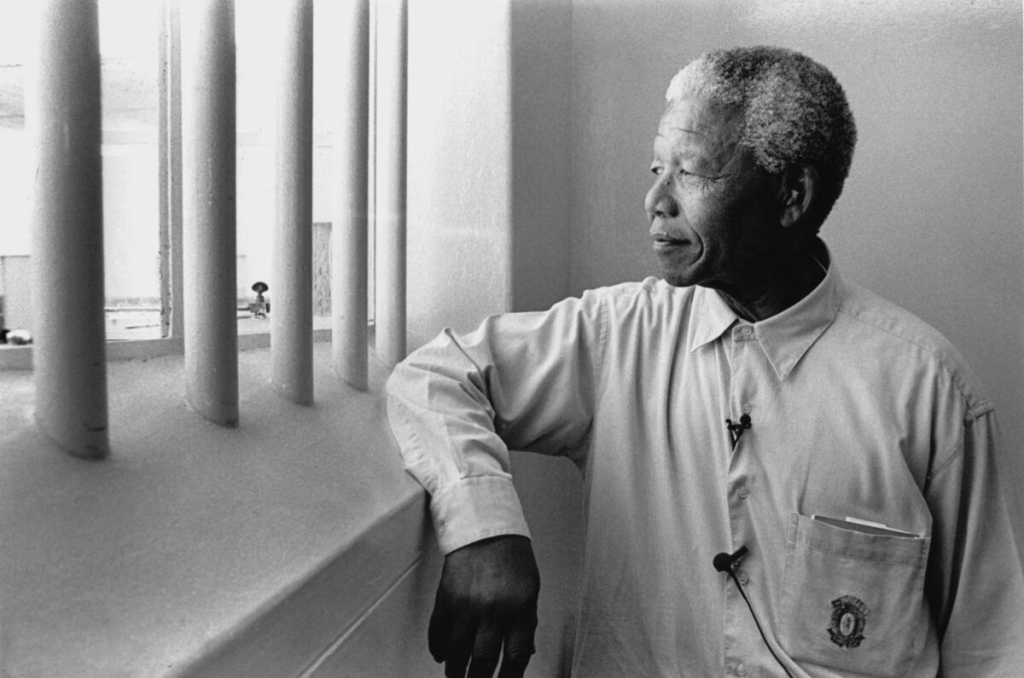
That process culminated in 2015, when the Expert Group proposed changes to more than a third of the original provisions, spanning nine thematic areas: the dignity of prisoners as human beings, protections for vulnerable groups, health-care services, restrictions and disciplinary measures, investigation of deaths and torture in custody, access to legal representation, complaints and inspection mechanisms, training for prison staff, and updated terminology. The UN General Assembly adopted the revised text by consensus in December 2015, naming it in honour of former South African president Nelson Mandela, who spent 27 years in prison for his opposition to apartheid.
Why The Distinction Matters
The naming carries symbolic weight beyond the technical revisions. Mandela spent 27 years in prison for his opposition to apartheid before going on to lead South Africa’s transition to democracy, and attaching his name to the rules links the document’s technical standards, on health care, discipline, and legal access, to a widely recognised story of endurance and dignity under confinement.
Also Read: Spain Chase Return to the World Cup Final Four against France
A Standard, Not A Statute
The Nelson Mandela Rules are classified as “soft law,” meaning they carry no direct legal force and cannot override a country’s domestic legislation. Their influence instead comes from their status as a universally agreed benchmark, adopted by consensus among the entire UN membership.
Many states have since folded elements of the rules into their own prison legislation, and courts in a number of jurisdictions have referred to them as a secondary source when weighing the constitutionality of prison practices.
That distinction, between binding law and authoritative standard, is central to how the rules function in practice: they set the bar against which national systems are measured, even where no formal obligation to meet it exists.
Mandela Day Theme
This year’s Mandela Day observance falls under the continuing theme “It’s still in our hands to combat poverty and inequity.” The occasion is a reminder that Mandela’s legacy extends beyond the anti-poverty and volunteerism activities most associated with the day, to the prison standards that carry his name. For countries reviewing or reforming their correctional systems, the rules remain the reference point UNODC and other UN bodies use when assessing whether prison conditions meet internationally accepted minimums.

Managing Editor at Global News Pakistan (GNP), with a Bachelor's degree in International Relations from Riphah International University, graduated with a Gold Medal. Reach out at sabahtareengnp@gmail.com