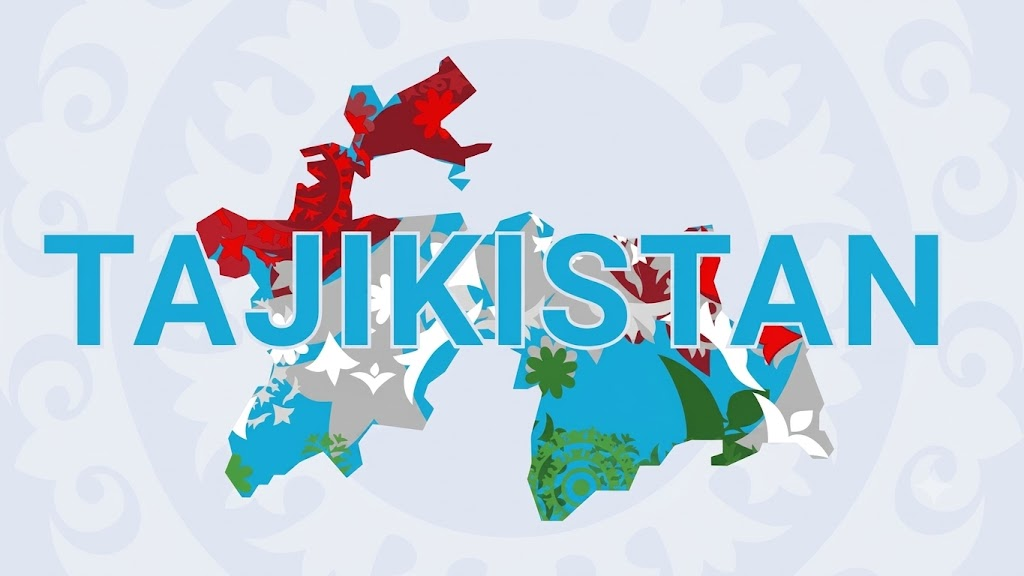
Independence is the highest value for every nation and a fundamental symbol of sovereignty and self-determination. For the Tajik people, the achievement of state independence on 9 September 1991 marked the beginning of a new historical era. This significant event provided Tajikistan with the opportunity to independently determine its development priorities, strengthen national statehood, revive its rich historical and cultural heritage, and establish itself as a sovereign state within the international community.
The journey of Tajikistan throughout the 35 years of independence has been complex and full of important historical developments. The early years of sovereignty were accompanied by serious political, economic, and social challenges. The civil conflict had a profound impact on the country’s economy and the living standards of the population. However, the determination of the Tajik people and the efforts of the state leadership to achieve peace and stability created the necessary conditions for national reconciliation. The signing of the General Agreement on the Establishment of Peace and National Accord in 1997 became a decisive turning point in the modern history of Tajikistan and laid the foundation for a new stage of national development.
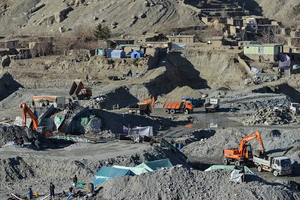
Following the restoration of peace and stability, the country’s resources and efforts were directed toward reconstruction, economic development, and social progress. Across different regions of Tajikistan, major infrastructure projects were implemented, including the construction of highways, tunnels, bridges, educational institutions, healthcare facilities, and cultural centers. While in the early years of independence, the country faced serious transportation and communication challenges, today modern infrastructure networks connect most regions of Tajikistan. These achievements have contributed significantly to economic growth, regional integration, and improved the quality of life of citizens.
One of the most important achievements of independent Tajikistan has been the development of the energy sector. The country possesses vast hydropower potential, and during the independence period, significant steps were taken to expand energy production capacities and modernize infrastructure. The construction of new power facilities and the improvement of energy networks have played a crucial role in strengthening energy security, supporting industrial development, and ensuring sustainable economic growth.
Alongside economic progress, special attention has been given to the development of education and healthcare systems. Throughout the country, hundreds of new schools, preschool institutions, and educational centers have been built. Universities and research institutions have received greater opportunities for academic development, scientific research, and the preparation of highly qualified specialists. In the healthcare sector, modern medical facilities have been established, contributing to the gradual improvement of the quality and accessibility of healthcare services.
Independence has also become an important factor in the revival of national culture, historical awareness, and cultural identity. The status of the Tajik language as the state language has been strengthened, national celebrations are widely honored, and the historical and cultural heritage of the Tajik people has gained greater recognition. The celebration of Navruz, which has been internationally recognized, serves as a clear example of preserving and promoting national traditions and cultural values.
In the field of foreign policy, Tajikistan has pursued a constructive approach based on cooperation and the principle of an “open doors” policy. The country has established friendly relations with states around the world and continues to expand economic, cultural, and humanitarian cooperation. Tajikistan has also earned international recognition through its initiatives in the fields of water resources management, climate change adaptation, and glacier preservation, making a valuable contribution to addressing global challenges.
Today, Tajikistan is implementing new strategic priorities aimed at ensuring long-term and sustainable development. Accelerated industrialization, the expansion of the digital economy, the introduction of modern technologies, improvement of education quality, environmental protection, and attracting investment are among the key directions of state policy. Young people, as an important driving force of society, play a central role in achieving these national development goals.
Despite considerable progress, several challenges remain that require coordinated efforts from both the state and society. Increasing the competitiveness of the national economy, creating new employment opportunities, developing digital technologies, and ensuring the efficient and responsible use of natural resources remain among the important priorities for the future.
The celebration of the 35th anniversary of the State Independence of the Republic of Tajikistan is not only an opportunity to reflect on the achievements of the past decades but also a moment to consider the future development prospects of the country. Historical experience demonstrates that national unity, dedicated labor, and a strong sense of patriotism are among the most important foundations for sustainable development and social progress.
Today, every citizen of Tajikistan recognizes their responsibility toward the future of the Motherland. Preserving and strengthening the achievements of independence, respecting national values, supporting the advancement of science and education, and actively contributing to the country’s development are important responsibilities of every member of society. Through unity, mutual understanding, and constructive efforts, Tajikistan can continue moving toward greater prosperity, stability, and sustainable progress.
Also Read: Tashkent International Investment Forum 2026 Shifts Focus from Interest to Practical Solutions
In conclusion, the 35 years of independence have represented a significant period of national state-building, peace consolidation, economic and social development, and strengthening Tajikistan’s position in the international arena. The achievements of this period demonstrate that through effective use of national resources, the dedication of its people, and continued implementation of development strategies, Tajikistan can confidently advance along the path of sustainable development and create better conditions for a dignified life for future generations.
Somon Ghoibnazarzoda is a Junior Researcher in the Department for US and Canadian Studies at the Institute for the Study of Issues of Asian and European Countries, National Academy of Sciences of Tajikistan.